
Beaverton and Tigard for Families: Is the Portland Westside Suburb Life Worth It?
Picture the familiar Portland family kitchen-table conversation: you love being able to walk to coffee on Hawthorne or grab dinner on Alberta, but the two-bedroom is getting tight, the yard is more patio than play space, and every weekend seems to involve another round of “should we just move?” Zillow scrolling. You want room for bikes, a dog, a home office, and maybe a third bedroom that does not also function as the laundry room. But you do not necessarily want to trade your whole lifestyle for a generic subdivision and a longer commute.
That is where Beaverton and Tigard come into focus. For many households, these westside suburbs are not a retreat from Portland life so much as a recalibration: more square footage, more parks, school options to research carefully, and still enough restaurants, community events, and access to the city to feel connected. The trade-off is real, though. You are often exchanging walk-to-everything convenience for driving, choosing between different commute patterns, and realizing that “the suburbs” are not automatically inexpensive anymore.
If you are comparing your options, start with the lifestyle question before the ZIP code question. Our guide to the best Portland neighborhoods for families is helpful for understanding what you may be giving up—or gaining—by staying closer in. And if getting to downtown, Nike, Intel, OHSU, or other major employment centers is a daily consideration, it is worth pairing this read with our look at the best Portland suburbs for commuters.
The Westside Suburb Dilemma: Why Families Are Looking West
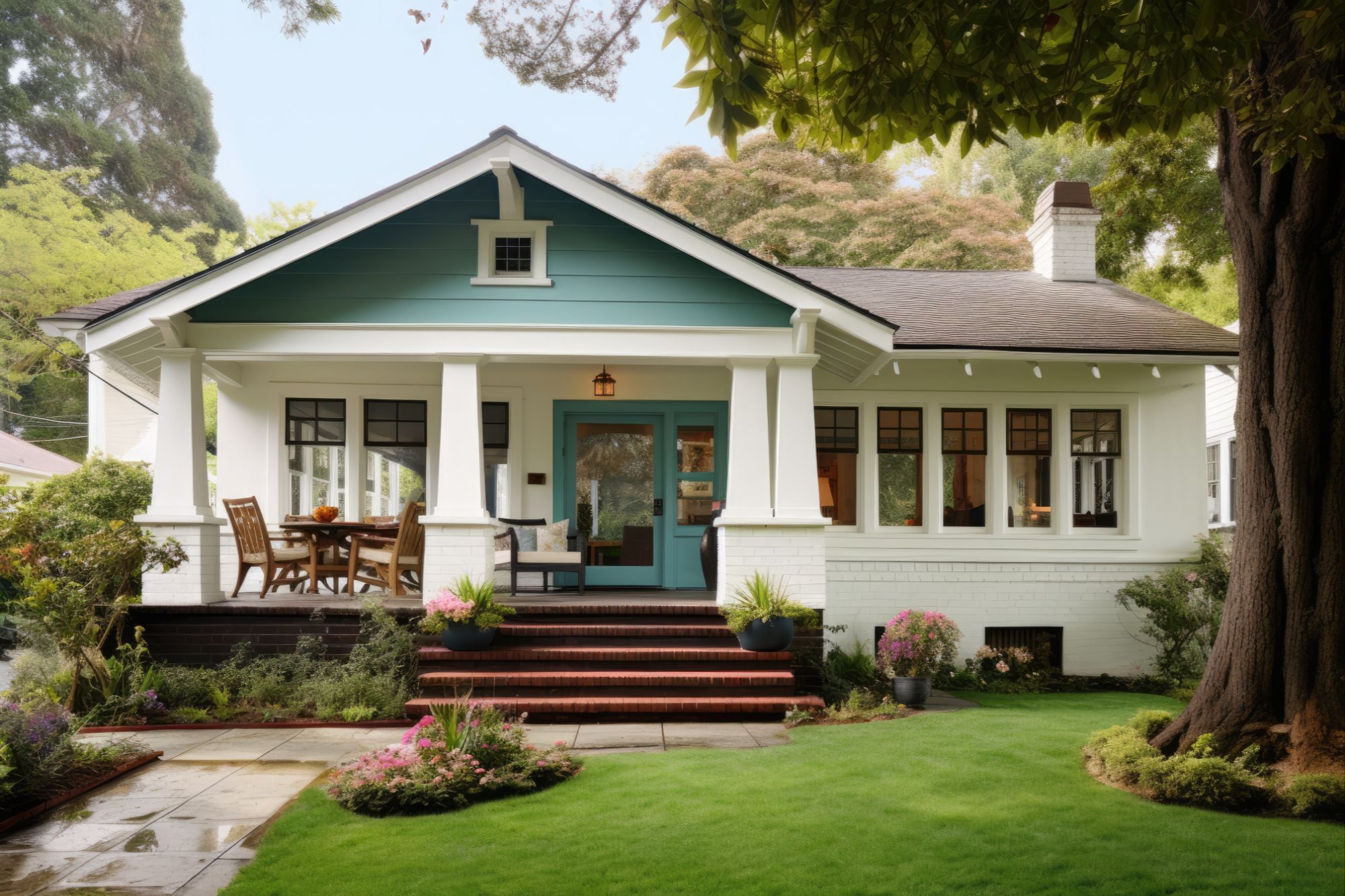
For most families, affordability is the gatekeeper. Not necessarily “Can we buy the cheapest house?” but “Can we buy a home that works for the way we actually live without making every other part of our financial life feel strained?” On the westside, the answer can be more nuanced than buyers expect.
Beaverton’s current pricing tells that story. Redfin’s rolling three-month measure places the city at a $587,149 median sale price, while year-to-date RMLS data for the Beaverton/Aloha area puts the median at $541,000. In Tigard, Redfin reports a $585,650 median sale price, while the broader RMLS Tigard/Wilsonville area shows a $605,400 year-to-date median. For context, the metro-wide RMLS median is $564,900.
The takeaway is not that Beaverton and Tigard are a guaranteed discount versus every close-in Portland neighborhood. They are not. It is that buyers often get a different kind of value for a similar budget: a more conventional three- or four-bedroom layout, a garage, a yard, newer systems, or access to a particular park and school boundary. That value varies dramatically by micro-neighborhood, condition, lot size, and whether a home has been thoughtfully updated or merely photographed well.
Price per square foot reinforces the point. Beaverton is hovering around $300 per square foot and Tigard around $299 per square foot. Those numbers are useful as a broad comparison tool, not as a shortcut to value. A 1990s home with a large lot and original finishes will price differently from a renovated newer-build home near a town center, even if they share the same city name and bedroom count.
Buyers should also understand the timing data before assuming a westside home will sit around waiting. Redfin currently shows roughly 26 to 30 days on market in these areas, while RMLS reports roughly 56 to 65 total market time. Those figures are not necessarily contradictory: “days on market” and total market time can reflect different measurement methods, including relists and time accumulated across market activity. In practical terms, well-priced, move-in-ready family homes can still move quickly, while homes with ambitious pricing or obvious project lists may give buyers more room to negotiate.
That is why I encourage clients to build a search around the whole monthly picture—purchase price, taxes, insurance, commute costs, updates, and the cost of making the house fit their life—not just the headline list price. If this is your first purchase, our first-time home buyer guide for Portland is a useful place to get your financing and offer strategy organized before you fall in love with a listing.
Beaverton Breakdown for Families
Beaverton works especially well for families who want suburban practicality without feeling completely removed from activity. It is a large, diverse city with distinct pockets, a strong food scene, major employers nearby, and a growing downtown identity. For households connected to the westside tech corridor—Nike, Intel, Tektronix, and the many businesses around them—the location can make the daily routine materially easier.
The city has also invested in places that make it feel more like a community than a collection of subdivisions. The Patricia Reser Center for the Arts brings concerts, comedy, performances, and community programming to the heart of Beaverton. The evolving Downtown Beaverton Loop is designed to improve connections between the downtown core, parks, transit, restaurants, and gathering spaces. Cedar Hills Crossing adds another practical layer: grocery runs, errands, movies, fitness, and dining are all concentrated in a way that can simplify a busy Saturday.
And then there is the food. Beaverton’s restaurant scene is a genuine lifestyle advantage, particularly around downtown and the food-cart ecosystem. It is one of those details that sounds small until you have a newborn, a soccer schedule, or two working parents trying to decide whether dinner has to be a production. Having interesting, accessible options close by matters.
Beaverton Neighborhoods to Put on Your List
- Murrayhill: A longtime family favorite for its established residential feel, nearby parks, and access to everyday amenities. Homes here range widely by era and updates, so buyers should look beyond the exterior and budget realistically for deferred maintenance where needed.
- Progress Ridge: Known for its village-style commercial area, lake views in select spots, trails, and newer-feeling homes. It can be especially appealing to buyers who want a planned-community feel without moving far from Beaverton’s employment centers.
- South Cooper Mountain: A growing area where newer construction, open-space access, and a more elevated setting draw buyers. The trade-off can be longer drives for some errands and a more car-dependent daily rhythm.
- Highland: This established area offers proximity to central Beaverton conveniences and a mix of housing styles. It is a good reminder that “Beaverton” is not one housing product; a well-located older home may compete directly with a newer home farther south or west.
- Central Beaverton: For buyers who want to be closer to restaurants, transit, the Reser, and the city’s evolving downtown, central neighborhoods deserve a close look. You may find smaller lots or older homes, but potentially more day-to-day connectivity.
Schools are naturally part of many family searches, although they should never be reduced to a single rating or graduation statistic. The Beaverton School District serves approximately 36,959 students across about 50 schools and reports an 88.9% graduation rate. That scale means families have a broad district with varied programs, school communities, and attendance boundaries to investigate.
My advice is always the same: start your school research early, verify the assigned school directly with the district, and tour or talk with the school when possible. Boundaries, enrollment policies, and program availability can change, and a home listing is not the final authority. Our Portland school districts guide can help you create a more grounded shortlist of questions before you make a housing decision around schools.
For recreation, Beaverton benefits from the Tualatin Hills Park & Recreation District network, better known as THPRD. Trails, playgrounds, swim centers, athletic fields, classes, and community spaces are woven throughout the area. For families, that network is often less about one standout destination and more about the accumulated convenience of having a park, program, or rainy-day activity nearby.
Tigard Breakdown for Families
Tigard has a different flavor from Beaverton: classic suburban in many of its residential areas, but increasingly connected to retail, dining, green space, and regional transportation routes. It can be a smart fit for households who want a little more breathing room while staying well positioned for Portland, Beaverton, Tualatin, Lake Oswego, and the south-metro job centers.
Its layout is part of the appeal. Tigard offers neighborhoods where families can settle into a comfortable rhythm of school, park, grocery store, sports practice, and weekend errands without crossing the entire metro. Cook Park is a major asset here, with open space, river access, sports fields, paths, playground areas, and room for the kind of unplanned outdoor time that makes suburban life feel worthwhile. Bridgeport Village, just to the south, expands the lifestyle menu with shopping, restaurants, services, and seasonal events.
Tigard Neighborhoods to Consider
- Bull Mountain: Often sought out for larger homes, hillside settings, and a more residential feel. It can offer the space many move-up buyers want, though the topography and location mean commute routes should be tested at the times you would actually drive them.
- Cook Park area: Homes near this pocket benefit from the park’s everyday usefulness and convenient access to central Tigard amenities. It is a strong option for buyers who prioritize outdoor space over a walkable commercial core.
- River Terrace: A newer, master-planned area with contemporary homes, parks, and a neighborhood-oriented atmosphere. Buyers should compare lot sizes, HOA details, builder quality, and future development plans carefully; new does not automatically mean maintenance-free.
Tigard-Tualatin School District serves approximately 11,400 students across 19 schools and reports an 86.7% district graduation rate. At the high-school level, Tigard High reports an 89.1% graduation rate and Tualatin High reports 90.2%. Those are meaningful data points, but they are best used as the beginning of a conversation—not the end of one. Families should consider programs, transportation, class offerings, extracurriculars, support services, and the specific culture that feels right for their child.
The practical appeal of Tigard is that it can feel settled without being stagnant. You can spend a Saturday at Cook Park, handle errands at Bridgeport Village, meet friends for dinner, and still be within reach of Portland plans. For some families, that is exactly the sweet spot: enough room to grow, enough access to stay connected, and enough neighborhood identity to feel like home rather than a compromise.
Beaverton and Tigard are both worth a serious look, but they solve slightly different problems. Beaverton tends to win buyers over with its food, tech-corridor access, transit options, and varied neighborhood character. Tigard often appeals to buyers looking for classic suburban space, south-metro connectivity, and an easy relationship with parks and regional retail. The right answer is not which city is “better.” It is which version of westside life best matches your workweek, your weekends, and the home you want to grow into. For more local perspective as you narrow the search, explore the KD Real Estate blog.
Beaverton vs. Tigard: A Family-Focused, Head-to-Head Look
There is no universally “better” Westside suburb. There is, however, a better fit for your actual Tuesday: the school drop-off, the commute, the soccer practice, the grocery run, the kind of house that feels like home, and whether you want to be close to Portland or a little more removed from it.
Housing stock: established neighborhoods versus a little more room to spread out
Beaverton is the larger and more built-out of the two, which gives buyers a wide range of housing: mid-century ranches, 1970s and 1980s two-levels, townhomes near transit, newer planned communities, and condos that can be a useful first step into ownership. The trade-off is that the most convenient pockets, especially near commute routes, parks, and popular schools, can be competitive. A home may be close to everything but come with a smaller lot, an older layout, or a project list.
Tigard often feels a little more residential and a little less dense, though that varies dramatically by neighborhood. Families may find more traditional detached-home options, established yards, and access to places such as Bull Mountain, Summerlake, and the Fanno Creek area. Tigard is not automatically less expensive than Beaverton; the specific neighborhood, condition, school boundary, lot, and commute all matter. But for buyers who want a bit more breathing room without leaving the Portland metro, it belongs firmly on the shortlist.
This is where I encourage clients to look beyond the listing photos. A beautifully renovated kitchen is lovely. So is understanding whether the home’s floor plan works when two adults are on work calls, a toddler is refusing a nap, and everyone needs to be somewhere at 5:30. If you are early in the process, my first-time home buyer guide for Portland is a good place to get clear on the financial and practical pieces before narrowing the map.
Schools and childcare: fit matters more than a single ranking
Beaverton School District and Tigard-Tualatin School District both serve a broad mix of families and neighborhoods. Both have schools families feel strongly connected to, and both require the same kind of due diligence I recommend anywhere: verify the assigned school for the exact address, review current report cards, visit if possible, and ask questions tied to your child’s needs.
Beaverton’s size means more schools, programs, and neighborhood variation. Tigard-Tualatin is smaller, and some families appreciate its community feel and the identity that forms around individual schools. Neither district can be honestly reduced to a simple “good” or “bad” label. State report-card information is useful context; you can review the Tigard-Tualatin School District report cards directly, then pair the data with a real visit and conversations with families who are there now.
Childcare deserves the same early attention as schools. In both communities, availability can be tight for infant care, after-school care, and programs with specific schedules or support needs. If childcare is nonnegotiable, make provider calls before you write an offer, not after closing. Your commute may determine whether a center near home, work, or a transit stop makes the most sense.
And if your search could still include Portland proper, compare boundaries rather than assuming a city name tells the full story. This Portland school districts guide can help you frame the questions to ask across the metro area.
Commute and connectivity: the Westside is convenient, until everyone leaves at once
Beaverton tends to win on transit convenience. The MAX Blue and Red lines run through key Beaverton stations, and the ride from Beaverton Transit Center to Pioneer Courthouse Square is roughly 25 minutes under normal service conditions. Beaverton also offers straightforward access to U.S. 26 and Highway 217, which matters for downtown, Hillsboro, the tech corridor, and many Westside employers.
Tigard is particularly practical for households whose work or family life pulls them south, west, or toward I-5. Highway 217, I-5, and the WES Commuter Rail are important pieces of the Tigard connection map. WES can be a helpful option for commuters traveling between Beaverton, Tigard, Tualatin, and Wilsonville, although its schedule is designed primarily around weekday peak commuting rather than all-day flexibility.
The reality check: Highway 217 and I-5 are not magical. They are busy corridors, and a 15-minute drive at 11 a.m. can become a very different experience during peak hours, in rain, or when a crash changes the whole region’s plans. If a commute is central to your decision, test it at the time you would actually travel. Do it twice if you can: once by car and once using the transit option you think you would use.
Parks and the everyday lifestyle
For active families, Beaverton’s biggest advantage is the scale of its park system. The Tualatin Hills Park & Recreation District manages more than 1,000 park acres and over 100 miles of trails, along with recreation centers, sports programming, pools, classes, and community spaces. It is one of those quality-of-life details that can change the rhythm of family life: a trail walk after dinner, a summer camp close to home, or an indoor activity when Oregon weather does its Oregon-weather thing.
Tigard’s system feels more intimate but still delivers the outdoor access many families want. Cook Park is a longtime favorite for open space and river access. Fanno Creek Trail creates a green connection through the area, while Dirksen Nature Park offers a quieter, nature-forward place to explore. Tigard also has a strong library-and-park lifestyle: easy errands, local events, and the ability to build a routine that does not require driving into Portland every weekend.
The Family Reality Check: Fears and Trade-Offs
Property taxes: use assessed value, not the listing price
I hear this question constantly: “Will moving to the Westside really save us money on taxes?” Often, it can, but the only responsible answer starts with the actual tax account for the actual property.
Washington County certified rates in Beaverton and Tigard commonly fall in a range of roughly $18.37 to $22.96 per $1,000 of assessed value, with some Tigard levy codes around $18.69 per $1,000. By comparison, consolidated Multnomah County and Portland rates can reach about $26.73 per $1,000. At $400,000 of assessed value, a rate of $18.69 creates an estimated annual tax bill of $7,476. A $26.73 rate creates an estimated $10,692 bill. That $8.04-per-$1,000 difference is approximately $3,216 per year.
That is meaningful money. It can cover childcare, travel, home maintenance, or simply create more breathing room in the monthly budget. But do not apply the rate to the sale price and call it done. Oregon property taxes are based on assessed value, shaped by Measure 50 limits and the property’s tax history, not necessarily today’s market value. Two similar homes selling for similar prices can carry very different tax bills. Check the record through the Washington County Property Tax Lookup, and compare it with the Multnomah County Tax Summary when weighing a Portland purchase.
Also, lower taxes do not automatically equal lower overall cost. Factor in mortgage rate, insurance, HOA dues, utilities, transportation, repairs, and the real cost of time spent commuting. For a fuller framework, read my guide to renting versus buying in Portland.
Will we lose Portland cool?
Maybe you will lose the ability to walk to three coffee shops, a vintage store, and an impromptu concert in six minutes. That is a real trade-off. But suburban life does not have to mean a beige, disconnected existence. Beaverton’s food scene, especially along its international dining corridors, is one of the metro’s genuine strengths. Tigard has local restaurants, community events, easy access to Portland, and its own growing center of gravity.
What many families gain is not boredom; it is capacity. More room for a home office, a garage full of bikes, a nearby park, a faster school-morning routine, or a budget that is less stretched. The question is not whether Portland or the Westside is cooler. It is where your current life gets easier without losing the parts of this region you love.
Diversity and LGBTQ+ inclusion
Washington County is growing more diverse, and that is visible in its restaurants, businesses, cultural communities, and schools. Beaverton in particular has a deeply international feel in many neighborhoods. Families looking for LGBTQ+-affirming community will find active local support, including Pride Beaverton and organizations, businesses, and schools working to create more welcoming spaces.
No city is a monolith, and inclusion can feel different block to block, school to school, and workplace to workplace. I encourage clients to visit local businesses, attend an event, spend time at the parks, and notice how a place feels. You deserve to choose a neighborhood where your family can be fully at home.
What I’d Tell You as Your Broker
I am not here to sell you a suburb based on a spreadsheet alone. Data matters. Tax history matters. School boundaries, commute patterns, resale trends, and inspection details all matter. But buying a home is also personal. I want to hear the story of the house you have now, the story of the home you are trying to build, and what has felt hard about your search so far.
Then we test-drive the decision. We tour on a weekday. We take the grocery-store route. We stand outside at rush hour. We look at the backyard in the rain. We check the tax account, not just the listing’s estimate. We talk honestly about the things a house cannot solve and the things it might make much better.
Beaverton and Tigard can both be excellent choices for families. The right one is the place where the numbers work, the routine works, and you can picture yourselves staying long enough for the move to mean something.
Frequently Asked Questions
Is Beaverton or Tigard better for families relocating to Oregon?
Neither is better for every family. Beaverton is often a stronger fit for families prioritizing MAX access, a larger park-and-recreation system, and proximity to the tech corridor. Tigard can be a better fit for families wanting a more residential feel, access to I-5 and Highway 217, or connections south toward Tualatin and Wilsonville. The best choice depends on your commute, housing budget, school needs, and lifestyle.
Are schools better in Beaverton School District or Tigard-Tualatin School District?
Neither district is objectively better for every child. Beaverton offers a larger district with more schools and program variation; Tigard-Tualatin offers a smaller district with its own strong community identity. Verify the school assignment for each address, review current state report cards, and visit schools when possible.
Is property tax lower in Washington County than Multnomah County?
It can be, but the specific property matters most. Washington County rates in Beaverton and Tigard often range from about $18.37 to $22.96 per $1,000 of assessed value, while some Portland and Multnomah County consolidated rates reach about $26.73 per $1,000. Taxes depend on the property’s specific levy code and assessed value, not its market price.
What is the commute like from Beaverton and Tigard into downtown Portland?
Beaverton generally offers the more direct transit connection, while both cities face peak-hour traffic. From Beaverton Transit Center, MAX Blue or Red Line service to Pioneer Courthouse Square is about 25 minutes under normal conditions. Driving from either city can be convenient outside peak hours but is affected by congestion on Highway 217, U.S. 26, and I-5. Tigard also has WES Commuter Rail for select weekday peak-direction trips.
Sources
- Washington County Property Tax Lookup
- Multnomah County Tax Summary
- Tualatin Hills Park & Recreation District
- Tigard-Tualatin School District report cards
- TriMet MAX and WES service information
- City of Tigard Parks and Recreation
Suggested Reading
- First-time home buyer guide for Portland
- Portland school districts guide for families
- Renting versus buying in Portland: the real math for families
- KD Real Estate blog
Ready to See Whether Westside Life Fits Your Family?
You do not need to have the answer before we talk. If you are weighing Beaverton, Tigard, Portland, or another corner of the metro, I can help you compare homes, taxes, neighborhoods, and the day-to-day reality behind the listing. Connect with me at KD Real Estate.
Categories
Recent Posts