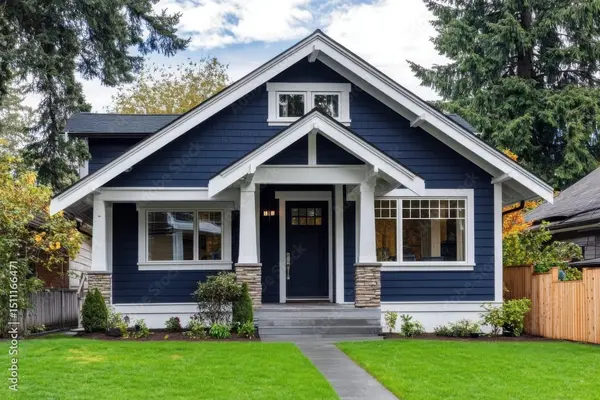

Woodstock and Foster-Powell: Portland's Best-Kept Secret for Young Families on a Budget
You are trying to solve a very Portland problem: how do you buy a home in Woodstock or compare Foster-Powell homes for sale without giving up the space, walkability, and financial breathing room your family needs? You want a true home office, room for a nursery or a second child, a usable backyard, and streets where an evening walk feels like part of the neighborhood rhythm rather than another errand. You may love Hawthorne, Division, or Alberta too, but not the $650,000 to $800,000-plus price tags that can come with those better-known addresses.
That tension is especially real for dual-income households that can qualify for a substantial mortgage but do not want a house payment to consume dollars otherwise intended for childcare, travel, retirement, college savings, maintenance, or simply more margin in everyday life. Buying at the outer edge of your approval amount is not the same as buying comfortably. For many buyers, the best long-term choice is a home that supports the life they want after closing.
For families I work with, Woodstock and Foster-Powell, usually called FoPo, are often where the search starts to feel more encouraging. These adjacent Southeast Portland neighborhoods offer established streets, character homes, useful yards, parks, daily amenities, and a genuine local feel at price points that can be more approachable than Portland’s most famous inner-eastside districts. They are not undiscovered, but they can offer more practical house and lot utility for the budget.
That is the appeal of Woodstock and Foster-Powell real estate: neighborhood-scale living without necessarily making a financial choice that changes how every other part of life feels. In this first installment, I am focusing on Woodstock. Part 2 will take a closer look at FoPo and help you compare the two.
The $500K-to-$600K Dilemma for Portland Home Buyers
Portland’s market is more nuanced than it was during the peak-frenzy years, but more nuanced does not automatically mean easy. Recent reporting shows that the Portland metro median home price is $564,900, according to RMLS data, while Redfin reports a Portland city median of $534,680. These metro-wide and citywide figures are useful benchmarks, not guarantees for a specific block, property condition, or week in the market. Still, they help explain why the $500,000-to-$600,000 range matters so much to local buyers.
With mortgage rates generally in the 6% range, each additional $25,000 in purchase price can noticeably change the monthly payment, cash-to-close calculation, and reserve funds left after moving. That difference may determine whether a family can comfortably address a sewer repair, replace an aging furnace, furnish a child’s room, or continue contributing to goals beyond the mortgage. Before setting a search ceiling, it is worth considering the complete ownership picture, not just the maximum number in a lender preapproval. Our guide to renting versus buying in Portland can help families frame that decision with real-world costs in mind.
In this range, buyers are often balancing four variables at once: location, condition, square footage, and lifestyle. A beautifully remodeled home near a marquee commercial district may be smaller than your family needs, have limited outdoor space, or leave too little room for first-year projects. A larger home farther out may pencil well but create a daily routine that feels more car-dependent than the Portland life you imagined.
What families are really buying
Young families are not simply shopping for bedroom counts. They are buying a weekly rhythm and a home that can absorb real life:
- A workable office or flex room that does not permanently take over the dining table.
- Enough adaptability for another child, visiting grandparents, or an overnight caregiver.
- A yard for muddy boots, a dog, raised beds, a swing set, or dinner outside with friends.
- A nearby grocery store, bakery, coffee shop, and park that reduce daily logistics.
- Streets that work for stroller walks, scooter rides, and organically meeting neighbors.
- A payment that leaves room to maintain the home, enjoy Portland, and build wealth beyond the mortgage.
There is an emotional side to this search, too. Financially capable buyers can feel disappointed when the price of a dream neighborhood does not fit their comfort zone. But a smart purchase is not a referendum on success. It is a decision about fit, resilience, and what you want your household finances to make possible. The right home supports your values rather than constantly testing them.
Why Woodstock and Foster-Powell Are on Family Buyers’ Radar
Woodstock and Foster-Powell attract young families because they combine comparatively attainable Southeast Portland pricing with established housing, usable outdoor space, neighborhood amenities, parks, and access to the rest of the eastside. In practical terms, buyers can sometimes find more square footage, more lot, or more renovation potential here than in the city’s highest-demand close-in enclaves without giving up the community-oriented lifestyle that drew them to Portland.
Both neighborhoods work well for households whose jobs, friends, and routines take them around the city. Downtown, the Central Eastside, OHSU-area commutes, and eastside employment centers are accessible by car, transit, and bike routes, depending on the destination. Yet the real advantage is that not every outing has to be an outing. Groceries, coffee, a playground, a casual dinner, and a walk can be part of the neighborhood itself.
Woodstock has a more village-like personality, with leafy streets, a recognizable commercial core, and an established residential feel. Foster-Powell is more varied and evolving, with a broad mix of home styles and the active Foster Road corridor. Both deserve consideration among the more affordable Portland neighborhoods for buyers seeking family functionality, although affordability is always relative to home condition, financing, and personal budget. If you are narrowing a broader search, our Portland home buying guide for families offers a useful framework for matching neighborhood priorities with a realistic plan.
Woodstock: Historic Village Charm with Family-Friendly Appeal
Woodstock has the rare quality of feeling both settled and active. Located in Southeast Portland and largely associated with the 97206 area, it blends mature trees, front porches, older homes, and everyday convenience. For buyers who like the character of classic Portland housing but do not need to be minutes from Division Street, Woodstock can be a notably balanced option.
Current neighborhood data illustrates why buyers pay attention. Redfin reports a recent Woodstock median sale price of around $539,900, while Realtor.com reports a Woodstock median listing price of $539,000. Listing prices and closed sale prices measure different things, and neither should be used to value an individual property. Condition, square footage, lot size, updates, street, and competition can all move a home well above or below a neighborhood median. But the data reinforces the broader point: Woodstock home prices can compare favorably with many premium inner-eastside alternatives while retaining much of the everyday lifestyle buyers want.
Character homes with room to make them your own
Woodstock’s housing stock is a major part of its appeal. Buyers will encounter 1920s bungalows with covered porches, Craftsman homes with original details, Cape Cod-style homes, and mid-century ranches that can be especially appealing for one-level living or a future renovation. Some houses are fully updated; others are well cared for but ready for cosmetic changes. That variety creates more entry points than a neighborhood dominated by turnkey, top-of-market remodels.
For a family, the architectural label matters less than how the house works at 7:30 on a weekday morning. A modest bungalow with a finished attic, detached garage, and genuine backyard can be a wonderful fit. A ranch on a larger lot may provide easier day-to-day flow and future expansion possibilities. The important qualification is that older homes require careful due diligence. Sewer scope findings, roof age, electrical service, insulation, drainage, foundation observations, and the permitting history of major work all belong in a thoughtful buying strategy.
I encourage buyers to look beyond fresh paint and staging and ask practical questions: Is there desk space with a door? How easily do groceries come inside? Where will bikes, strollers, and sports gear live? Does the yard function for your household rather than merely look good in listing photos? Is there enough storage? Woodstock often rewards this practical analysis because many homes have the bones, outdoor space, and flexibility families value, even if they need personalized improvements over time.
A commercial core that makes daily life easier
The neighborhood’s heart runs along SE Woodstock Boulevard, and it is a significant reason residents stay loyal to the area. Instead of relying solely on a big-box errand run, you can create smaller weekly rituals: a pastry from Grand Central Bakery, a stop at Otto’s Sausage Kitchen, coffee from Heart Coffee, or a seasonal visit to the Woodstock Farmers Market.
Practicality matters as much as charm. New Seasons Market, Bi-Mart, restaurants, everyday services, and neighborhood businesses help Woodstock feel functional for busy households. Walkability is not only about brunch. It can mean fewer occasions when everyone has to get into the car for a missing ingredient, a quick household item, or a simple afternoon reset.
The district also supports a low-pressure social life that works well for many families. Meet another parent for coffee, take visiting relatives to lunch, or walk to dinner without planning a major night out. It is lively without feeling overly performative, an advantage for buyers who want neighborhood energy but have outgrown living in the center of a nightlife district.
Woodstock Park and the everyday value of green space
Woodstock Park is a genuine neighborhood anchor. Its lawns, playground, paths, and mature landscaping give families an easy default plan when the afternoon gets long or everyone needs to get outside. A nearby park changes how a home lives: it expands the practical sense of usable space, gives children and dogs an outlet, and creates natural opportunities to meet neighbors.
Beyond the park, tree-lined residential streets invite the casual movement that makes a place feel connected: dog walks, scooter rides, after-dinner loops, and conversations from the sidewalk. Those details can seem intangible during a fast home search, but they strongly influence whether a neighborhood still feels right once move-in excitement has passed. For buyers evaluating Portland neighborhoods for families, it is worth visiting at several times of day and on both weekdays and weekends.
School context for families planning ahead
Schools are often part of the Woodstock conversation from the start. Woodstock Elementary is known for its Chinese dual-immersion program, a distinctive option for families interested in language learning and an internationally minded educational environment. Depending on program participation, grade-level offerings, and current boundaries, middle- and high-school pathways can differ. Cleveland High School is often part of the broader high-school discussion for this area, but no buyer should assume an assignment based on a neighborhood name or real estate listing.
Attendance boundaries, transfer policies, capacity, and program structures can change. Verify current information directly with Portland Public Schools before making an offer contingent on a specific school outcome. For a wider planning perspective, review our Portland school districts guide and pair school research with an honest assessment of your transportation routine, your child’s needs, and the community you hope to build around your family. Families weighing neighborhood comfort can also explore our guide to whether Portland is safe for families.
A Smart Southeast Portland Starting Point
Woodstock is not a bargain neighborhood in the old-fashioned sense. Well-priced, well-prepared homes can still attract meaningful interest. But it remains one of the most compelling places to begin when you want an authentic Southeast Portland lifestyle and need your budget to work as hard as you do. The opportunity is not necessarily to find a perfect house with no tradeoffs; it is to find a home with the right tradeoffs, one that gives your family space, connection, and financial resilience.
In Part 2, I will explore Foster-Powell’s more eclectic value proposition, the types of Foster-Powell homes for sale buyers may encounter, and how to decide whether FoPo or Woodstock better fits your next chapter. In the meantime, you can find more local buying guidance on the KD Real Estate Portland blog.
Foster-Powell: Inner Eastside Value, Flexibility, and Community Energy
Foster-Powell, better known locally as FoPo, is one of the southeast Portland neighborhoods I discuss with buyers who want a realistic path to a detached home, usable outdoor space, and an everyday neighborhood feel without the premium often attached to Portland's most established close-in villages. Centered around the Foster Road corridor and largely within 97206, FoPo offers a practical, character-rich option for buyers comparing affordable Portland neighborhoods while still wanting parks, local restaurants, transit connections, and an engaged community.
Foster-Powell home prices often place buyers' searches in the mid-$400,000s to low-$500,000s, though the right number depends heavily on condition, lot size, bedroom count, updates, and the property's exact location. A smaller home in original condition may fall below that range, while a renovated home with a garage, finished basement, ADU potential, or a larger usable lot can command substantially more. Rather than relying on one headline number, buyers should use current comparable sales and active-listing competition to shape their strategy. For broader context, Zillow home-value data for nearby southeast Portland areas can illustrate how values vary over time, while a local agent can help determine what is relevant to a specific block and property type.
The value proposition is not simply a lower purchase price. Compared with many close-in Portland neighborhoods, FoPo can give a household more financial breathing room for repairs, savings, travel, childcare, or a mortgage payment that does not drive every monthly decision. That distinction matters for first-time buyers and growing households alike. Buyers considering buying a Portland home with less than 20 percent down should look beyond the down payment: reserves, inspection findings, insurance, taxes, and future maintenance all belong in the real affordability conversation.
FoPo's housing stock is notably practical. You will find mid-century ranches with one-level living, modest bungalows with original woodwork, cottage-style homes, and renovated properties that retain a comfortable human scale. Lots can be deeper than buyers expect this close to town. Depending on the property and applicable zoning and permitting requirements, that space may support a garden, play area, dog run, detached office, or a longer-term accessory dwelling unit plan. For dual-income households, multigenerational families, and buyers who work from home, that flexibility can make a house work not only today, but five or 10 years from now.
Foster Road Is FoPo's Everyday Gathering Place
FoPo is not trying to imitate a polished main street from another city. Its appeal is independent, creative, diverse, and community-built. Foster Road has grown into a genuine local corridor where residents can grab dinner, meet a friend for coffee, support small businesses, and spend time close to home. Portland Mercado's food entrepreneurs and community programming are a standout anchor, while Carts on Foster, local coffee shops, breweries, and restaurants offer approachable weeknight options.
The corridor is evolving, and that is both its opportunity and its honest caveat. The experience changes block by block: some sections feel lively and immediately walkable, while others are quieter, more commercial, or still transitioning. Buyers who want a highly uniform streetscape may prefer Woodstock's more established commercial center. Buyers who value local character, cultural variety, independent businesses, and room for continued neighborhood growth often find FoPo compelling. The most useful test is personal: visit the specific home at morning rush hour, after dinner, and on a weekend before deciding how the area feels for your household.
Parks, Recreation, and Room to Exhale
For family life, FoPo has meaningful daily anchors. Kern Park offers neighborhood green space for informal play and connection. Farther south, Mt. Scott Park and Community Center adds a particularly valuable all-season amenity, with playgrounds, indoor programming, recreation facilities, and a pool. During Portland's rainy months, access to indoor family activities can make a meaningful difference in the rhythm of a weekend.
The community fabric tends to be grassroots and neighborly. Families connect at parks, share contractor recommendations, support neighborhood businesses, and organize around the practical needs of their streets. The resident mix includes longtime owners, renters, first-time buyers, artists, young families, and multigenerational households. That variety is part of what makes FoPo feel distinctly Portland.
School assignments should always be confirmed by address directly with Portland Public Schools, as boundaries, programs, and enrollment options can change. Families in much of FoPo often research Marysville K-8 and Franklin High School, but a neighborhood name is not an enrollment guarantee. For broader planning context, review this Portland school districts guide for families before narrowing your home search.
Woodstock vs. Foster-Powell: Which Southeast Portland Neighborhood Fits Your Family?
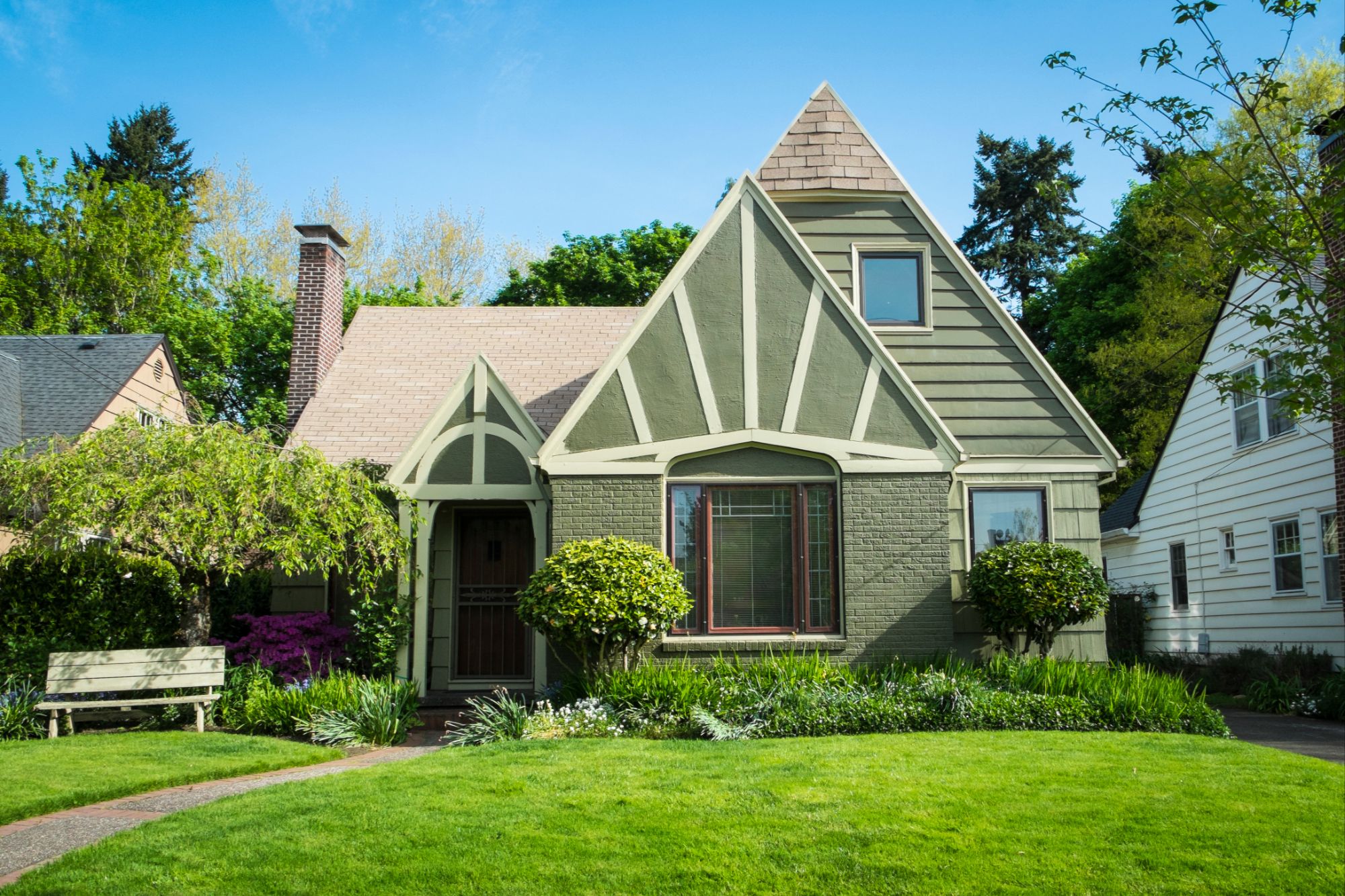
Woodstock and FoPo are both strong options among Portland neighborhoods for families, but they offer different versions of southeast Portland life. Woodstock tends to appeal to buyers seeking a leafy, established village atmosphere near Woodstock Boulevard and Reed College. FoPo often fits buyers prioritizing a more approachable price point, greater lot flexibility, and a neighborhood with visible momentum. If your goal is to buy a home in Woodstock, expect meaningful demand for well-maintained character homes. If you are searching Foster-Powell homes for sale, be prepared to evaluate a broader range of conditions and block-level experiences.
How Woodstock and FoPo Compare
- Budget and home-price context: Woodstock often carries a premium for its established setting, village center, and character housing. Realtor.com Woodstock market data can provide useful high-level context, though individual homes vary widely. FoPo generally offers a more accessible entry point to detached-home ownership, with value shaped by renovation level, lot utility, and proximity to Foster Road.
- Neighborhood feel: Woodstock feels established, leafy, and village-like, with a familiar residential rhythm and classic Portland charm. FoPo is creative, diverse, eclectic, and evolving, with a strong independent-business culture and more variation from block to block.
- Walkability anchors: Woodstock Boulevard concentrates groceries, coffee, restaurants, services, and errands in a compact commercial district. Foster Road offers Portland Mercado, food carts, coffee, dining, and locally owned businesses along a longer corridor.
- Parks and recreation: Woodstock Park provides an easy, classic neighborhood-park experience for many nearby residents. FoPo residents can enjoy Kern Park and Mt. Scott Park and Community Center for outdoor play, recreation programming, and indoor pool access.
- Housing and future flexibility: Woodstock offers Craftsman homes, bungalows, and character-rich older properties, often with more modest lots and competitive demand. FoPo includes ranches, cottages, bungalows, and deeper-lot properties that may offer room for gardens, studios, or future ADU research.
The price difference between a representative Woodstock purchase and a representative FoPo purchase can be significant, but the sale price is only the beginning of the comparison. Review projected property taxes, homeowners insurance, repair needs, commuting costs, and the first two years of likely projects. A lower-priced home needing a roof, sewer repair, electrical work, or major cosmetic renovation is not automatically the better deal. Similarly, a turnkey Woodstock home is not automatically worth stretching a budget so far that it limits the rest of family life. Buyers also weighing a townhome or apartment-style option can compare the tradeoffs in this guide to condos versus single-family homes in Portland.
Navigating Schools, Safety, and Daily Family Logistics
Safety questions deserve direct, address-specific research. Neither Woodstock nor FoPo is a gated version of suburbia, and conditions involving property crime, car break-ins, traffic, lighting, and street activity can differ by block. I encourage buyers to visit at multiple times of day, walk the routes they would actually use to reach a park or coffee shop, review official local information, and talk with neighbors when appropriate. For a practical framework that avoids reducing an entire neighborhood to a single map or statistic, read this guide to Portland safety for families.
Families should also consider the practical support network around a home. Childcare availability, preschool schedules, school pickup logistics, library storytimes, park classes, and commute patterns affect daily life as much as a kitchen remodel. Start childcare research early, particularly for infant and toddler care. This Portland daycare and preschool costs guide can help buyers build realistic monthly projections. Multnomah County Library programs and Portland Parks & Recreation classes are additional low-cost ways to build community after a move.
Transit and biking options add flexibility, although the best route depends on a home's exact location. FX2-Division service can be useful for east-west connections, while the MAX Green Line may be practical for airport or central-city trips with a workable first-mile plan. Driving remains common for family logistics, but choosing a location near your routine destinations can reduce how often every adult needs to be in the car.
Frequently Asked Questions About Woodstock and Foster-Powell
Are Foster-Powell homes a good option for first-time buyers?
They can be. FoPo often gives first-time buyers a more approachable path to a detached home, yard, or renovation opportunity than higher-priced close-in neighborhoods. The right purchase depends on your full payment, repair reserves, expected length of ownership, and the specific property's condition.
Is Woodstock or Foster-Powell more affordable?
Foster-Powell is generally more affordable for comparable detached homes, while Woodstock often commands a premium for its established village setting and housing character. Compare current listings and recent comparable sales rather than relying on a neighborhood-wide median alone.
Are Woodstock and FoPo walkable neighborhoods for families?
Yes, but in different ways. Woodstock is especially walkable near Woodstock Boulevard's compact retail district. FoPo offers access to Foster Road businesses, parks, and services, though distances and street conditions vary more by location. Test walkability from the exact house you are considering.
Which schools serve Foster-Powell and Woodstock?
School assignments depend on the specific address. Marysville K-8 and Franklin High School are common FoPo reference points, while Woodstock-area pathways vary. Always verify current boundaries, programs, transportation, and enrollment information directly with Portland Public Schools before making an offer.
What family amenities are close to Foster-Powell?
FoPo families have access to Kern Park, Mt. Scott Park and Community Center, Foster Road restaurants and food carts, local childcare options, library programming, and neighborhood businesses. The community center's pool and indoor recreation are especially helpful during wet-weather months.
Find Your Southeast Portland Fit with KD Real Estate
Choosing between Woodstock and Foster-Powell is not only a spreadsheet decision, though the spreadsheet absolutely matters. It is about whether your morning routine feels manageable, whether there is room for your people and your plans, and whether your housing payment still leaves space for the life you want to live. I combine current local market context with careful listening. Whether you need a quieter street, school-run convenience, a yard, a future workspace, or a home that does not stretch your budget to its limit, I will help you evaluate the tradeoffs with clarity.
If Woodstock's village appeal or FoPo's value and community energy feels like your next chapter, connect with me. Let's compare current southeast Portland listings, create a realistic purchase plan, and find a home that supports your family now and the future you are building toward.
Sources
Categories
Recent Posts