
Living on the Eastside of Portland: Real Neighborhoods, Honest Prices, and the Life You're Actually Building
You're probably weighing a real decision: which Portland neighborhood is actually right for your family? Not in a theoretical sense, but in the school-pickup, weekend-at-the-park, do-we-even-need-two-cars sense. The Eastside keeps coming up in your research — and for good reason. This guide cuts through the noise and gives you a grounded picture of what living on the Eastside of Portland actually looks like day to day.
Here's what we'll cover: the neighborhoods families ask about most, what homes actually cost, how getting around works, and what the Eastside offers that's genuinely hard to find anywhere else at this price point. If you're weighing Portland against other cities first, our Portland vs. Austin comparison for families is a useful starting point.
The Eastside vs. West Side: Understanding the Divide
The Willamette River splits Portland into two distinct personalities. The West Side — downtown, the Pearl District, the West Hills — runs denser and more expensive. It has its appeal. But for most families, the Eastside is where Portland actually lives.
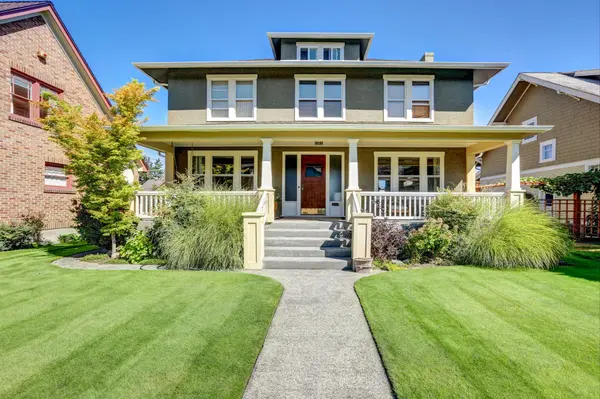
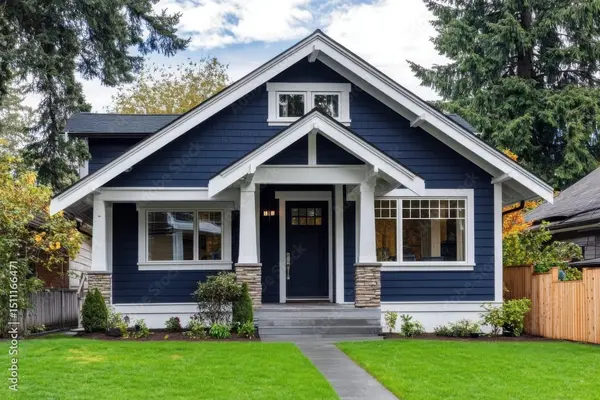
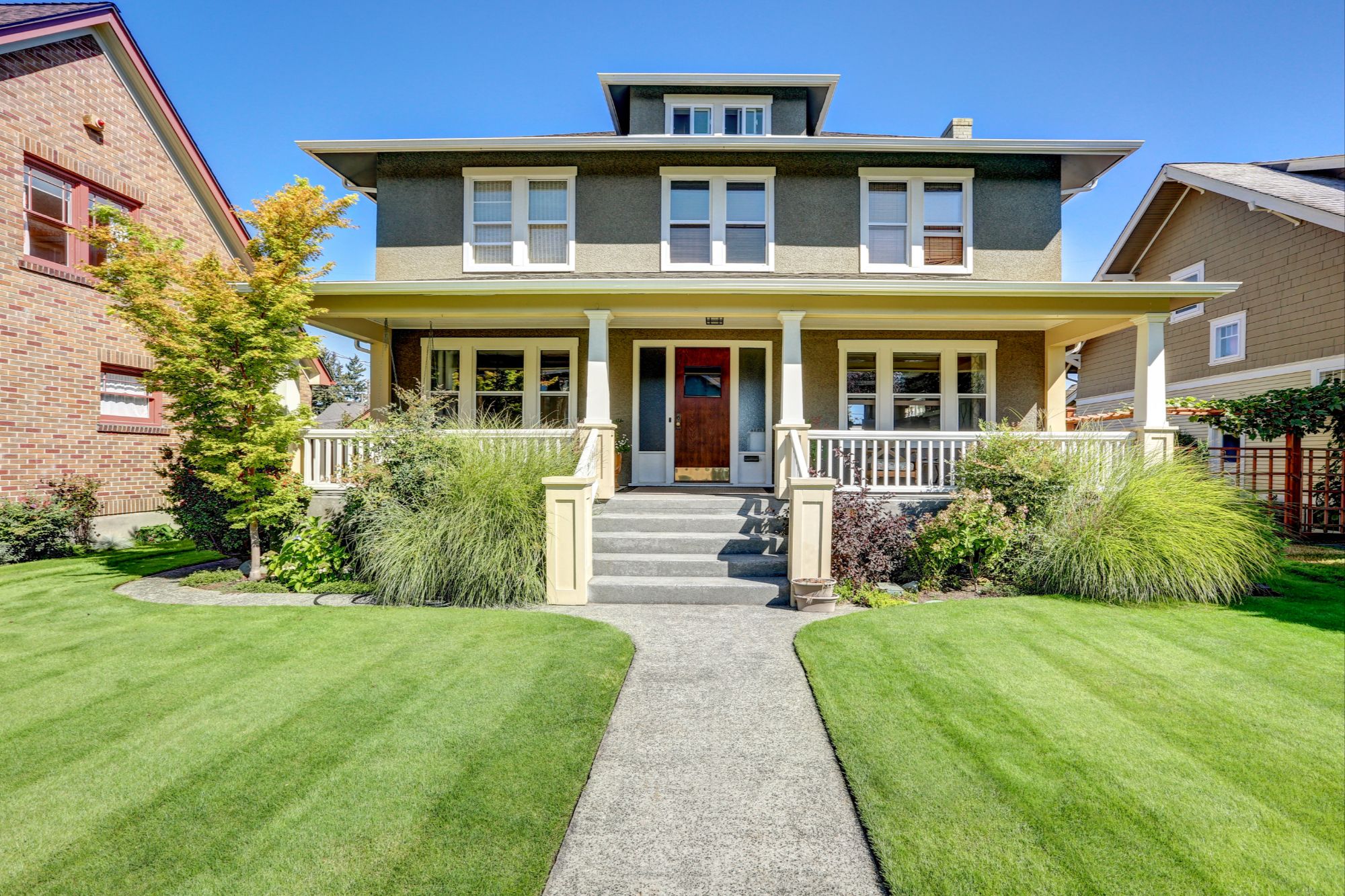
The Eastside is walkable without feeling like Manhattan. It has neighborhood coffee shops, parks kids actually run around in, and block after block of craftsman bungalows with front porches and real yards. It's where you find the food culture that put Portland on the map, bike infrastructure that makes car-lite living genuinely possible, and a neighborly quality that's harder to quantify but very easy to feel. Most of KD Real Estate's work is here — and there's a reason for that.
Fair Housing notice: This post provides factual, publicly available information about Portland's Eastside neighborhoods to support independent research. Where you choose to live is entirely your decision. Always verify school boundaries, safety data, and market figures with official sources before drawing conclusions.
SE Portland: What Life Looks Like Over Here
Southeast Portland is where many relocating families land when they say "I want the Portland I've seen in magazines." It's dense enough to feel urban but livable enough to feel like home. The neighborhoods cluster around the major commercial corridors — Hawthorne, Belmont, Division, and Clinton — and each has its own personality.
Hawthorne and Sunnyside
SE Hawthorne Boulevard is one of Portland's most walkable corridors: independent bookstores, coffee roasters, restaurants, and a farmers market within a few blocks of each other. The surrounding Sunnyside neighborhood feeds into it — residential streets lined with mature trees, craftsman houses, and the kind of front-porch culture that makes neighbors actually know each other. Walk Scores here are among the highest on the Eastside.
SE Division and Richmond
If Hawthorne is the neighborhood bookstore, Division is the culinary stage. SE Division Street became one of Portland's premier dining destinations after Andy Ricker's Pok Pok opened in 2005 and put the city on America's food map. Today the corridor runs deep: Apizza Scholls for wood-fired pizza, Salt & Straw for ice cream, Scottie's for a slice, Lauretta Jean's for pie, Ava Gene's for vegetables treated like the main event. It's not a food destination for weekends away — it's what Tuesday evening looks like when you live in Richmond.
Sellwood-Moreland
Sellwood sits at the south end of SE Portland, close to the Willamette and Oaks Bottom Wildlife Refuge. It has a small-town-within-the-city quality — antique shops, a riverside park, and a pace of life that's noticeably quieter than the Division corridor. Homes here typically run in the mid-$500,000s to low $600,000s, which makes it one of the more accessible entry points in the inner Eastside. For families who want walkability, community feel, and a yard, Sellwood consistently comes up.
Woodstock
Woodstock is the kind of neighborhood people discover and then refuse to leave. It's farther from downtown but closer to community — a main street with a beloved farmers market, an independent hardware store, and a neighborhood coffee shop that's been there for twenty years. Homes tend to be slightly more affordable than inner SE, which makes it worth a look for buyers stretching their budget.
NE Portland: The Other Half of the Eastside
Northeast Portland runs from the Lloyd District (right across the river from downtown) east through a wide range of residential neighborhoods. It's generally more residential than SE and feeds some of the most well-regarded schools in Portland Public Schools. For more detail on specific NE neighborhoods, our Alameda, Irvington, and Beaumont-Wilshire neighborhood comparison goes deep on the upper NE quadrant specifically.
Irvington and Alameda
These two neighborhoods sit in inner NE and are known for historic architecture — Craftsman, Victorian, Colonial Revival — and quieter residential blocks. Alameda sits on a ridge with views and is one of Portland's higher-end inner Eastside neighborhoods. Irvington has more price variation and a slightly more urban-adjacent feel. Both feed into schools that consistently draw family attention, though school boundaries shift and must always be verified by specific address through the PPS School Finder.
Alberta Arts District
The Alberta Arts District runs along NE Alberta Street from roughly 15th to 30th Avenues. The neighborhood is anchored by Last Thursday on Alberta, a monthly art walk and street festival that started in 1997 and now draws up to 8,000 people on summer evenings — streets close to traffic, galleries open their doors, street performers take corners, vendors line the sidewalk. June through August it runs 6 to 9 PM. The rest of the year it continues indoors in a quieter form.
Beyond the event, Alberta is a working neighborhood with a mix of long-established residents and newer arrivals, galleries, restaurants, and community organizations. It reflects what Portland's Eastside does best: creative, community-driven, walkable without being manicured.
Laurelhurst and Kerns
Laurelhurst, centered on its namesake park, is one of SE/NE Portland's more established family neighborhoods. The park itself — 26 acres of mature trees, a pond, and open lawns — is a genuine community gathering space. Kerns, which sits adjacent and closer to Burnside, attracts buyers who want proximity to the Central Eastside's restaurants and bars while staying in a residential neighborhood.
The Outdoor Life: Parks, Trails, and the Volcano in the Middle of It All
One of the things that surprises people after they move to Portland's Eastside is how much of daily life happens outside. Not because anyone is trying to be aspirational about it — but because the parks infrastructure makes it genuinely easy.
Mount Tabor Park is the Eastside's most distinctive landmark: a 196-acre park built on an extinct volcanic cinder cone, one of the only cities in the contiguous United States with one inside its limits. The summit sits at 643 feet with views of Mount Hood and the Portland skyline. Its three historic open reservoirs are listed on the National Register of Historic Places. There are paved loops, steep staircase trails, summer concerts, and the annual Soap Box Derby. Families with kids use it constantly.
The Vera Katz Eastbank Esplanade runs 1.8 miles along the east bank of the Willamette River — car-free, with views of the bridges and downtown skyline — from OMSI to the Steel Bridge. It connects directly to the Springwater Corridor, a 21-mile paved, flat, car-free multi-use trail that begins near OMSI and runs southeast all the way to Boring, Oregon. On a weekend morning, the number of families with kids in cargo bikes and jogging strollers using this trail is hard to overstate.
For a fuller picture of how parks, farmers markets, and daycare infrastructure fit into Portland family life, our daily life in Portland guide covers the practical texture of a week here in real detail.
Getting Around: Bikes, MAX, and the Car Question
Portland has approximately 400 miles of bikeways — protected lanes, neighborhood greenways, and multi-use paths. It's earned Platinum Bicycle Friendly City status from the League of American Bicyclists. On the Eastside, the flat grid makes cycling practical in a way that the West Hills genuinely don't.
The TriMet MAX system connects the Eastside to downtown efficiently: the Blue Line runs to Gresham, the Green Line to Clackamas, the Red Line to PDX Airport. A typical commute from inner SE or NE Portland to downtown by MAX runs 20 to 40 minutes depending on your starting point. Bikes are allowed on all MAX trains, which makes the combination of cycling and transit genuinely functional.
Most Eastside families I work with end up keeping one car rather than two. Some go car-free. The infrastructure supports it in a way that few American cities do outside the coasts — and the cost savings on a second vehicle are not trivial in a market where every dollar counts.
What Homes Actually Cost on the Eastside
The Portland housing market in 2026 is more balanced than it was in 2021-2022. Inventory has increased, and buyers have more options and more negotiating room than they did at the peak. That said, prices have not come down dramatically — they've stabilized.
Portland's citywide median home price sits at approximately $524,000 as of early 2026 (Redfin and Zillow data vary slightly by methodology, ranging from $520,000 to $540,000). Days on market run from under 20 days for well-priced homes in competitive areas to 60 or 70 days for overpriced listings or properties needing work.
Within the Eastside, prices vary significantly by neighborhood:
- NE Portland median was approximately $618,000 as of March 2026, up 10.4% year over year — driven in part by demand for established neighborhoods like Alameda and Irvington.
- SE Portland average sale prices were up about 2.6% in 2025, more moderate appreciation reflecting a broader range of price points across the quadrant.
- Sellwood-Moreland typically runs in the mid-$500,000s to low $600,000s, making it one of the more accessible inner Eastside options for buyers in that range.
- Outer SE neighborhoods like Woodstock, Lents, and Brentwood-Darlington offer entry points in the $390,000 to $450,000 range — meaningful for buyers stretching their budget.
The honest picture: the $400,000 budget many buyers arrive with is workable in outer SE Portland but tight in inner SE and NE. If that's your number, it's worth understanding what that budget actually gets you — and whether there are programs that can help. Our guide to buying a home in Portland with less than 20% down covers Oregon's assistance programs in real detail, because some of them are genuinely significant.
For a broader framework on the Portland buying process, the complete Portland home-buying guide for families covers everything from the offer process to Oregon's Home Energy Score requirement.
What I'd Tell You
I moved to Portland from Seattle about two years ago, and I ended up on the Eastside for the same reasons most people do: it felt livable in a way that was hard to articulate until I was actually here. Not curated-livable. Just — real. Front porches with people on them. A coffee shop I can walk to. A park within five minutes that my kids actually want to go to.
What I didn't fully appreciate until I started working with buyers here is how much variation exists within "the Eastside." The difference between inner SE and outer SE, or between Alberta and Laurelhurst, isn't just price — it's pace of life, neighborhood culture, school access, and what your weekday routine actually looks like. Those distinctions matter, and they're worth taking seriously before you narrow to a zip code.
If you're curious about where the Eastside fits relative to your specific priorities — budget, schools, commute, community feel — I'm genuinely happy to talk through it. Not as a pitch, but as a conversation. 971-443-1770. Reach out anytime.
Frequently Asked Questions
Is the Eastside of Portland safe?
Portland's safety picture is more neighborhood-specific than city-level headlines suggest. Inner SE and inner NE neighborhoods generally have lower crime rates than the city average, while some outer East Portland areas run higher. Our 2026 Portland safety guide covers neighborhood-level data so you can research the areas you're actually considering.
What is the cheapest neighborhood on Portland's Eastside?
Outer SE neighborhoods — Lents, Brentwood-Darlington, and Woodstock — tend to offer the most affordable entry points, with median prices in the $390,000 to $450,000 range. These areas have seen investment and are worth researching carefully if budget is the primary constraint.
Is SE Portland good for families?
Many SE Portland neighborhoods are well-suited for families — walkable corridors, strong parks infrastructure, community feel, and access to Portland Public Schools. School assignments are address-specific and should always be verified through the PPS School Finder before making offers. For deeper guidance on Portland schools, our Portland school districts guide covers how the system works.
How long is the commute from SE or NE Portland to downtown?
By MAX light rail, typical commutes from inner SE or NE Portland to downtown run 20 to 40 minutes. By bike, using the flat Eastside greenway network, most inner Eastside locations are 20 to 45 minutes from downtown depending on your exact address and route. Many residents combine biking to a MAX station for longer commutes.
How does Portland's Eastside compare to Seattle's neighborhoods?
Portland's Eastside is generally more affordable than comparable Seattle neighborhoods at the same distance from downtown, with lower median prices and more entry-level inventory in outer SE. The lifestyle feel — walkable neighborhoods, food culture, outdoor access — is comparable, but Portland's smaller scale tends to make it feel more immediately navigable. If you're doing a direct comparison, our city comparison guides may help.
Sources
- Redfin: Portland Housing Market Data, March 2026
- Norada Real Estate: Portland Market Overview 2025-2026
- City of Portland: Mount Tabor Park
- BikePortland: 10 Great Portland Bike Rides, including Springwater Corridor
- Travel Portland: Biking in Portland
- Travel Portland: Southeast Portland Neighborhood Guide
- Wikipedia: Last Thursday on Alberta
- Portland Public Schools: School Finder
Categories
Recent Posts