
Best Portland Neighborhoods for Families: A Data-Driven Guide
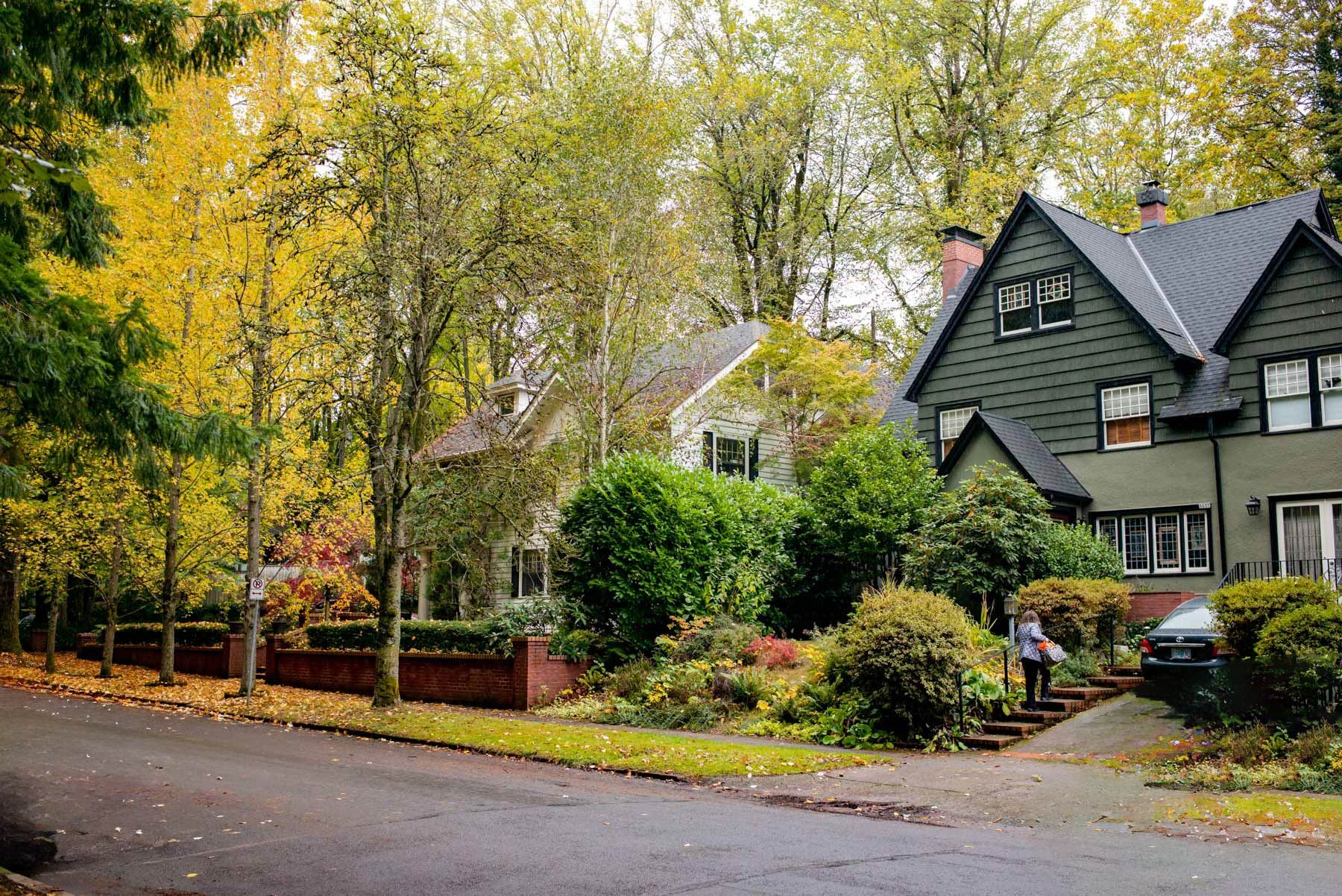
When families relocate to Portland, one of the most common and challenging questions is where to live. Unlike many cities, Portland doesn’t have a single “family district.” Instead, it offers a range of neighborhoods that suit families depending on lifestyle priorities, budget, commute needs, and comfort with older housing.
I work with families relocating to Portland every year, and the biggest mistake I see is choosing a neighborhood based on surface impressions instead of how it actually functions day to day. This guide breaks down several of Portland’s most family-oriented neighborhoods using real market data, including pricing, days on market, and walkability, to help you make a more informed decision.
What “Family-Friendly” Looks Like in Portland
For most families, “family-friendly” in Portland means a mix of stability, livability, and long-term value rather than new construction or uniform housing. Common priorities include access to parks and outdoor space, walkable streets or nearby amenities, homes that fit daily family routines even if they’re older, pricing that aligns with long-term plans, and commutes that don’t consume every weekday.
Portland’s neighborhoods balance these factors differently, so finding the right fit matters more than rankings.
Portland as the Baseline
As of November 2025, Portland’s overall median sale price sits around $515,000, with a median price per square foot near $313. Median days on market hover around 30 days, and the citywide walk score averages about 67. These numbers provide helpful context when comparing close-in neighborhoods and nearby suburbs that many families consider.
Alameda: Close-In Living with Exceptional Walkability
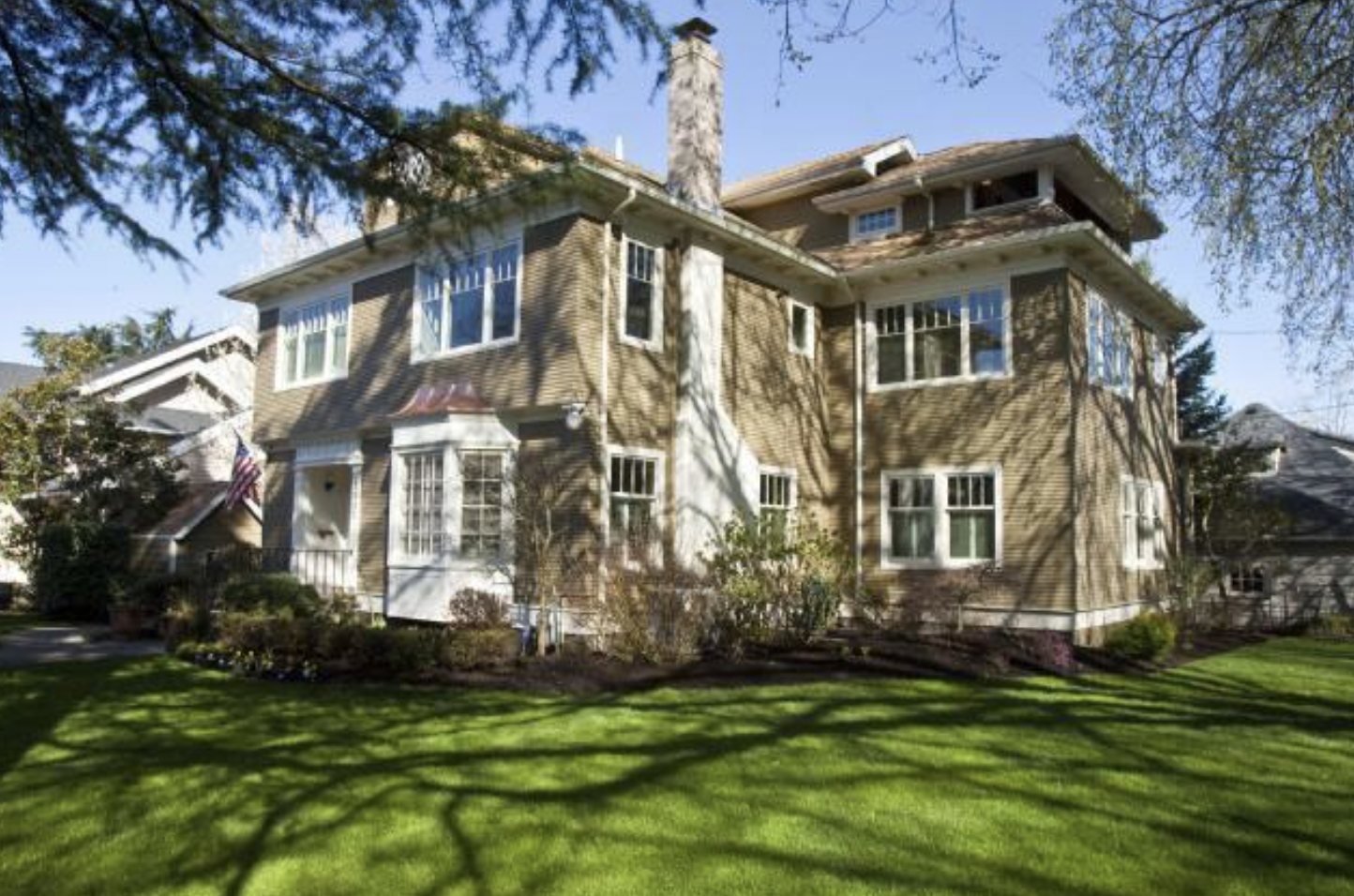
Alameda is one of the most sought-after neighborhoods for families wanting a close-in Portland lifestyle with strong neighborhood identity. The median sale price is around $900,000, with a median price per square foot near $426. Homes move quickly here, with a median days on market of just five days, reflecting strong demand.
Alameda’s walk score of 84 is well above Portland’s average, highlighting its walkability and access to daily amenities.
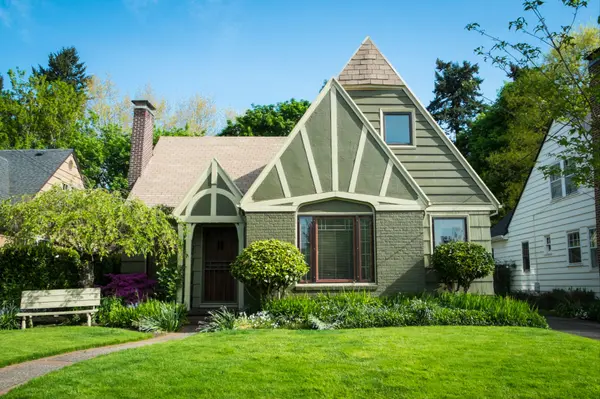
Most homes date back to the early 1900s and 1920s, offering architectural character and established streetscapes.
This neighborhood works well for families who value walkability, proximity, and long-term stability. The tradeoffs are higher entry prices and smaller homes compared to suburban options.
Laurelhurst: Central Location and Park-Centered Living
Laurelhurst appeals to families wanting a central location anchored by one of Portland’s most popular parks. Median sale prices here are slightly higher than Alameda at about $935,000, though the median price per square foot is closer to $310, reflecting larger homes on average.
Homes typically stay on the market around 30 days, indicating steady but not frantic demand. The walk score of 82 reinforces Laurelhurst’s walkable, close-in feel.
Homes are generally older and architecturally distinct, built in the early 20th century. Families who prioritize location, park access, and established community often find this area appealing.
Sellwood-Moreland: Village Feel with Strong Lifestyle Appeal
Sellwood-Moreland attracts families who want a neighborhood that feels like a small town within the city. The median sale price is around $682,000, with a median price per square foot near $368. Homes typically sell in about 30 days.
A walk score of 81 reflects strong walkability and access to local shops, parks, and riverfront areas.
Housing stock is mostly older, dating back to the early 1900s. This neighborhood works well for families who value walkability, outdoor access, and a strong neighborhood identity.
Tradeoffs include smaller lots and older systems that may require updates over time.
Lake Oswego: Premium Suburban Option with High Predictability
Lake Oswego appeals to families who want a traditional suburban environment while staying close to Portland. Median prices hover around $900,000, similar to Alameda, but the median price per square foot is higher at about $477.
Homes take longer to sell here, with median days on market around 35. Walkability is limited, and daily life is more car-dependent.
This area works well for families prioritizing predictability, space, and a quieter pace. The tradeoffs include higher costs, less walkability, and fewer housing options.
West Linn: Space and Long-Term Ownership Focus
West Linn attracts families planning long-term ownership who want more space at a lower price per square foot than Lake Oswego. Median sale prices sit around $748,000, with a median price per square foot near $302. Homes typically sell in about 34 days.
Like Lake Oswego, West Linn is largely car-dependent with limited walkability.
This area fits families who value space and stability and are comfortable with longer commutes and a suburban lifestyle.
Happy Valley: Newer Homes and Value Per Square Foot
Happy Valley draws families who prioritize newer construction and more interior space. The median sale price is about $666,000, with the lowest median price per square foot among these areas at roughly $271.
Homes tend to sell in about 40 days. Walkability is limited, and daily life is mostly car-dependent.
Happy Valley works well for families wanting modern layouts and more square footage while accepting longer commutes and fewer nearby amenities.
How to Choose the Right Neighborhood for Your Family
Instead of asking which neighborhood is “best,” it’s more useful to ask how your family actually lives. Do you value walkability or space? How often and where do you commute? Are you comfortable with an older home, or do you need newer systems? Is this a short-term move or a long-term home?
Answering these questions honestly usually makes the right neighborhood clear.
Common Mistakes Families Make When Choosing a Neighborhood
One common mistake is focusing too heavily on price or square footage without considering daily logistics. Another is underestimating the age of homes in close-in Portland neighborhoods. Older homes can be wonderful, but they require realistic expectations and planning.
Families who align lifestyle, budget, and commute realities tend to feel much more confident after moving.
Frequently Asked Questions About Family-Friendly Neighborhoods in Portland
Is it better to live in Portland or the suburbs with kids?
That depends on lifestyle priorities. Some families prefer walkable city neighborhoods, while others value space and quieter streets.
Are Portland homes generally older?
Yes. Many family-friendly neighborhoods consist of homes built in the early to mid-20th century.
Do families need a car in Portland?
Most families own at least one car, though some close-in neighborhoods reduce daily driving.
Final Thoughts for Families Moving to Portland
Portland offers a wide range of neighborhoods that can work well for families, but there is no one-size-fits-all answer. Using real data, realistic expectations, and neighborhood-specific insight helps families avoid frustration and choose homes that truly support their daily lives.
If you want help comparing neighborhoods based on your family’s priorities, I’m happy to walk through the options with you and help you make a confident plan.
Categories
Recent Posts