
Living in Happy Valley, Oregon: 2026 Guide for Buyers
Happy Valley is a fast-growing suburb about 13 miles southeast of downtown Portland, known for newer homes, larger floor plans, nature parks, and hillside views. Redfin's August 2026 median sale price was $695,540, about a third higher than Portland's $525,000. You get more house and newer construction for that money. The trade-offs are a car-dependent layout, busy arterial roads, a higher property tax rate than many buyers expect, and HOA rules in many subdivisions.
Happy Valley is a name that comes up a lot with move-up buyers and relocating households who want a newer home with room to spread out. It's one of the few places in the Portland metro where you can still find large swaths of newer construction close to the city.
This guide covers what Happy Valley is actually like: where it is and how it grew, what homes cost and what you get, property taxes, daily life and commutes, schools, and the honest trade-offs.
Where Is Happy Valley, Oregon?
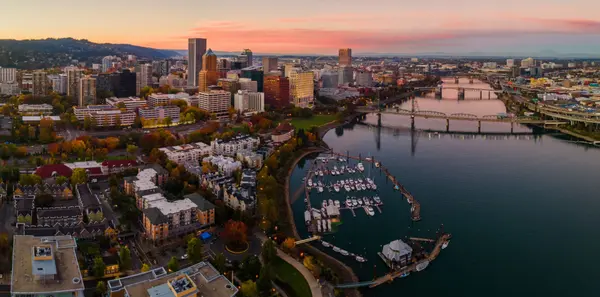
Happy Valley is a city in northwest Clackamas County, about 13 miles southeast of downtown Portland, according to Wikipedia's summary of Census data. It sits just east of I-205 and the Clackamas Town Center area, bordered by Portland's outer southeast neighborhoods to the north and the Damascus and Clackamas areas to the south and east.
The defining feature is terrain. Happy Valley wraps around a cluster of old volcanic buttes, including Mount Scott, the city's high point at about 1,050 feet, and Scouters Mountain. That's why so many neighborhoods have views of Mount Hood and the valley, and also why so many streets are steep.
How it grew
Few places in Oregon have changed as fast. Census counts show Happy Valley at 4,519 residents in 2000, 13,903 in 2010, and 23,733 in 2020. PDX Monthly's 2025 suburbs data put the 2023 population at 25,572, up about 5% in a single year.
That growth was mostly new subdivisions. The city's own 2020 Housing Capacity Analysis found that single-family detached homes made up about 80% of all housing units, and it noted the Pleasant Valley/North Carver planning area could eventually hold more than 7,000 additional homes. In practical terms, much of what you'll tour was built in the last 25 years, and there's still more on the way.
How Much Do Homes Cost in Happy Valley?
Happy Valley costs more per house than Portland and its closer-in neighbors, but less per square foot. Here's how it compares, using Redfin's latest market data:
|
City |
Median sale price |
Price per sq ft |
Median days on market |
Data period |
|---|---|---|---|---|
|
Happy Valley |
$695,540 |
$280 |
48 |
August 2026 |
|
Oregon City |
$569,165 |
$312 |
21 |
July 2026 |
|
Portland |
$525,000 |
$312 |
19 |
3 months ending August 2026 |
|
Milwaukie |
$494,173 |
$310 |
11 |
August 2026 |
Source: Redfin housing market pages for Happy Valley, Oregon City, Portland, and Milwaukie. Oregon City's page showed July data.
The price-per-square-foot column is the real story. Happy Valley's median is the highest because the homes are bigger. PDX Monthly's 2025 data put the average Happy Valley home sold in 2024 at about 2,480 square feet, the largest of the suburbs it compared. On a per-foot basis, you're paying less than in Portland, Milwaukie, or Oregon City.
The days-on-market column matters too. Happy Valley homes took a median of 48 days to sell in August, and Redfin shows about 41% of homes with price drops. That's a much slower pace than Milwaukie or Portland, which usually means more room for buyers to negotiate. My guide on how much to offer on a Portland home that's had a price cut covers how to use that.
What you'll find
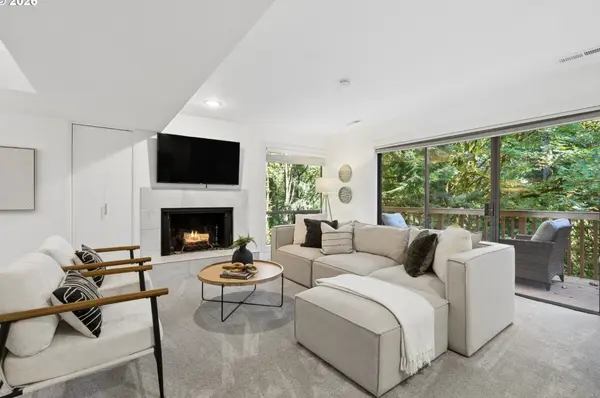
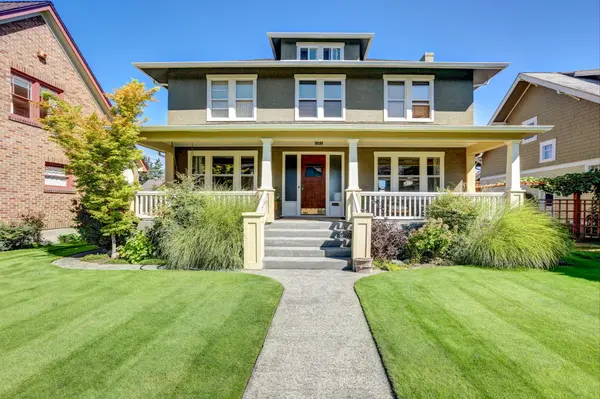
- Newer construction. Much of the housing was built after 2000, so you'll see open floor plans, two-story layouts, attached garages, and central air far more often than in close-in Portland.
- New builds still underway. With the Pleasant Valley/North Carver area still developing, you'll find builder inventory and new subdivisions alongside resale homes. My new construction vs. existing homes guide covers what to watch for, including builder contracts and inspections.
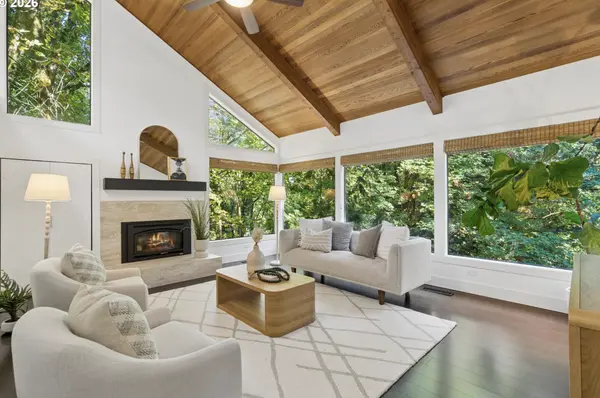
- View lots and hillside homes. Higher elevations bring Mount Hood and valley views, and often steeper driveways and more stairs.
- HOAs in many subdivisions. Many Happy Valley neighborhoods have homeowners associations with monthly or annual dues and rules on things like exterior paint, fencing, RVs, and parking. Read the CC&Rs and the budget before you commit. My guide to what Portland buyers need to know about HOAs walks through it.
What Are Property Taxes in Happy Valley?
Higher than many buyers expect, mostly because of voter-approved local levies. The City of Happy Valley's 2025 property tax explainer lists the rates that make up a typical bill. Adding them up gives roughly $16.36 per $1,000 of assessed value, before voter-approved bonds:
- Permanent rates, about $11.91 per $1,000. The largest pieces are North Clackamas School District ($4.87), Clackamas County ($2.40), and Clackamas Fire District #1 ($2.40). The city's own permanent rate is only about $0.67.
- Local option levies, about $4.45 per $1,000. These include the city's police and parks levies ($1.92 combined), a school district levy ($1.63), a fire levy ($0.52), and smaller county and Metro levies. Levies are temporary and must be renewed by voters, so this portion can change.
Here's what that rate means at a few assessed values:
|
Assessed value |
Estimated annual tax (before bonds) |
Per month |
|---|---|---|
|
$350,000 |
about $5,730 |
about $480 |
|
$450,000 |
about $7,360 |
about $610 |
|
$550,000 |
about $9,000 |
about $750 |
The key word is assessed. In Oregon, your tax is based on a property's assessed value, not its sale price, and assessed value can grow no more than 3% a year. For a newer Happy Valley home, assessed value is often well below the purchase price. My Portland property taxes guide explains how it works. Before you make an offer, pull the actual tax statement for that address from Clackamas County. Don't estimate it from the price.
Income taxes: one advantage over Portland
Happy Valley is in Clackamas County, so residents don't pay Multnomah County's Preschool for All income tax or Portland's Arts Tax. It is inside the Metro boundary, so higher earners still owe Metro's Supportive Housing Services tax. For households earning above roughly $200,000, skipping Preschool for All can be worth hundreds to thousands of dollars a year. My Oregon income tax guide has the details.
What Is It Like to Live in Happy Valley?
Daily life in Happy Valley is suburban, green, and built around the car.
Parks and nature
This is where Happy Valley really stands out. The city's neighborhood parks page lists 11 parks plus the Mount Scott Creek Trail, including three nature parks:
- Mount Talbert Nature Park (224 acres, managed by Metro): forested trails on an old volcanic butte, right at the edge of the city.
- Scouters Mountain Nature Park (Metro): hilltop trails with views toward Mount Hood.
- Hidden Falls Nature Park (21 acres): a paved trail of just under a mile to a small waterfall.
For everyday use, Happy Valley Park (32 acres) has a splash pad, a dog park, and sports fields and courts, and Ella V. Osterman Park (31 acres) is another large community park. PDX Monthly's 2025 data put parks at about 9% of the city's land area.
Shopping and errands
Most everyday shopping sits along Sunnyside Road and the area around Clackamas Town Center, just west of the city, which is one of the region's larger shopping centers. Happy Valley has grocery stores, restaurants, and services in several shopping centers, but almost all of it means a drive rather than a walk.
Commuting
According to PDX Monthly's Google Maps estimates, the drive from Happy Valley to downtown Portland takes about 24 minutes outside rush hour and about 35 minutes at rush hour. Most commuters take I-205 north or head to I-5 via Highway 224 or Sunnyside Road, depending on where they're going.
For transit, TriMet's MAX Green Line ends at Clackamas Town Center, just west of Happy Valley, with service to downtown Portland and the airport via a transfer. TriMet bus routes serve parts of the city, but coverage is thinner than in Portland, and the hills make walking to a stop harder.
Happy Valley also works well for people who commute to Clackamas, Oregon City, or the east side of the metro, and it has easy access to Mount Hood via Highway 26 for weekend skiing and hiking.
What School District Is Happy Valley In?
Most of Happy Valley is served by North Clackamas School District, but not all of it. The City of Happy Valley's school information page lists three public districts serving Happy Valley addresses:
- North Clackamas School District, which covers most of the city
- Centennial School District, which serves some Happy Valley addresses
- Gresham-Barlow School District, which serves some Happy Valley addresses
This matters more than buyers expect. Two homes a few blocks apart can be assigned to different districts, and a listing's school information isn't always accurate. Use the city's school locator tool for a specific address, then confirm with the district itself before you make an offer based on schools. Boundaries can change as new neighborhoods are built, which happens often in a growing city like this one.
For a broader comparison of districts across the metro, see my Portland school districts guide. I don't rank individual schools here. Look at each school's own data, visit if you can, and decide what matters most to your family.
What Are the Downsides of Living in Happy Valley?
Every area has trade-offs, and Happy Valley's are worth knowing before you fall for a view lot.
- You'll drive almost everywhere. Happy Valley was built as a series of subdivisions connected by arterial roads, so walking to coffee or groceries isn't realistic for most addresses. If you want a walkable neighborhood, look at close-in Portland or downtown Milwaukie instead.
- Traffic on the main roads. Sunnyside Road and the routes to I-205 carry a lot of traffic, especially at rush hour and near Clackamas Town Center. Drive your commute at the actual time you'll make it before you buy.
- Hills, ice, and snow. The same slopes that give you views make winter driving harder. When the Portland area gets an ice or snow event, steep Happy Valley streets can be tough for a day or two. Look at the driveway slope and the route to the main road, not just the house.
- Property taxes and levies. At roughly $16 per $1,000 of assessed value before bonds, Happy Valley's rate is substantial, and the local option levies can change with each renewal vote.
- HOA rules. HOAs keep neighborhoods consistent, but they also limit what you can do: paint colors, fences, RV and boat parking, and sometimes rentals. If you have a trailer, a work truck, or plans for an ADU, read the CC&Rs first.
- Ongoing construction. A growing city means new subdivisions, road work, and changing views. A lot that backs onto open land today may back onto new homes in a few years. Check the city's planning maps for the area around any home you're considering.
- Slower resale in a soft market. With homes taking a median of 48 days to sell in August and about 41% showing price drops, a Happy Valley home may take longer to sell than a close-in Portland home if you need to move again soon. That's good for buyers now, but worth keeping in mind if you might relocate in a few years.
My Take: Is Happy Valley a Good Place to Buy?
Happy Valley is one of the best values in the metro if you want what it offers: a newer, larger home, central air, a garage, and trails close by. On a price-per-square-foot basis, it beats close-in Portland. If what you actually want is to walk to dinner, it's the wrong place, no matter how good the house is.
When buyers tell me they're looking at Happy Valley, I ask: why is that important to you? If the answer is space, newer construction, and a quieter street, it's worth a serious look. If the answer is "it's what we could afford with the most square footage," I want to make sure they've also seen what a smaller home in a walkable neighborhood feels like before they commit.
Based on my experience, here's what I'd do before buying in Happy Valley:
- Read the HOA documents before you write an offer, not during your review period. The rules can change what the house is worth to you.
- Check the property tax statement for the actual address. Don't estimate it from the price.
- Confirm the school district with the city's locator and the district itself.
- Drive the route from the house to the main road on a rainy weekday morning, and imagine it iced over.
- Use the slower market. With longer days on market and frequent price drops right now, there's often room to negotiate on price, repairs, or closing costs.
Thinking About Happy Valley?
If you're considering Happy Valley, or deciding between it and closer-in neighborhoods, I'd be glad to help you compare real listings, HOA rules, and tax bills side by side. Send me an email at kerrie@kdrealestatepdx.com and we can set-up time to chat.
Frequently Asked Questions
Is Happy Valley, Oregon a good place to live?
It's a good fit for buyers who want newer, larger homes, nature parks, and a quieter suburban setting about 25 to 35 minutes from downtown Portland. It's a weaker fit for people who want to walk to shops and restaurants, because most of the city is car-dependent.
How much does a house cost in Happy Valley?
Redfin's median sale price in Happy Valley was $695,540 in August 2026, compared with $525,000 in Portland. Homes there sold for about $280 per square foot, less than Portland's $312, because Happy Valley homes tend to be larger.
What are property taxes like in Happy Valley?
The combined permanent rates and local option levies listed by the city add up to roughly $16.36 per $1,000 of assessed value, before voter-approved bonds. Oregon taxes are based on assessed value, which is often lower than the sale price, so check the actual tax statement for any address.
What school district is Happy Valley in?
Most of Happy Valley is in North Clackamas School District, but some addresses are served by Centennial or Gresham-Barlow. Use the city's school locator and confirm with the district for any specific home.
How far is Happy Valley from downtown Portland?
Happy Valley is about 13 miles southeast of downtown Portland. PDX Monthly's Google Maps estimates put the drive at about 24 minutes outside rush hour and about 35 minutes at rush hour.
Do Happy Valley residents pay Portland's local income taxes?
Happy Valley residents don't pay Multnomah County's Preschool for All tax or Portland's Arts Tax, because the city is in Clackamas County. Higher earners still owe Metro's Supportive Housing Services tax, since Happy Valley is inside the Metro boundary.
Do most Happy Valley homes have HOAs?
Many Happy Valley subdivisions have homeowners associations with dues and rules on exterior changes, fencing, and vehicle parking. Review the CC&Rs, budget, and reserves for any home you're considering.
Sources
- Redfin housing market data: Happy Valley, OR, Oregon City, OR, Portland, OR, Milwaukie, OR
- City of Happy Valley, Property Tax Explained (2025)
- City of Happy Valley, Housing Capacity Analysis 2020–2040 (Johnson Economics, February 2020)
- City of Happy Valley, Neighborhood Parks
- City of Happy Valley, School Information
- PDX Monthly, Portland Suburbs by the Numbers 2025
- Wikipedia, Happy Valley, Oregon (U.S. Census figures)
- Clackamas County Assessment and Taxation
- KD Real Estate: Portland Property Taxes Explained, Oregon Income Taxes for People Moving to Portland, New Construction vs. Existing Homes, What Portland Buyers Need to Know About HOAs
Categories
Recent Posts