
Best Portland Suburbs for Commuters: Commute Times, Home Prices, and Lifestyle Compared

If you’re relocating to the Portland metro area, choosing where to live isn’t just about the house itself. It’s about how your daily commute fits into your life. I work with relocation buyers every week, and the phrase “best Portland suburbs for commuters” means very different things depending on where someone works, how often they commute, and what they want their day-to-day lifestyle to look like outside of work.
This guide compares the best Portland-area suburbs for commuters using real market data on home prices, price per square foot, days on market, and realistic commute expectations, so you can narrow your options with clarity instead of guesswork.
First, Define Your Commute Type
Before comparing suburbs, it’s important to be honest about how you actually commute.
Most buyers fall into one of these categories:
- Downtown Portland commuters traveling three to five days per week
- Westside tech commuters working in Beaverton, Hillsboro, or at Nike or Intel
- Hybrid commuters in the office one to three days per week
- Remote workers who still want convenient access to the city
The “best” suburb changes significantly depending on which group you’re in.
Portland as the Baseline
For context, Portland’s median home sale price in late 2025 sits around the low to mid $500,000s, with a median price per square foot just over $300 and average days on market around 30 days.
These numbers provide a helpful baseline when comparing nearby suburbs, especially when weighing commute time against price and long-term value.
Lake Oswego: Short Commutes and Established Luxury
Lake Oswego consistently ranks as one of the most desirable suburbs for commuters, particularly those working downtown or in Southwest Portland. Median home prices here are significantly higher than Portland’s, hovering around the $900,000 range, with a noticeably higher price per square foot. Homes tend to sell in just over a month on average.
Commute times to downtown Portland typically fall between 20 and 30 minutes, making this one of the most predictable daily commutes in the metro area.
Lake Oswego is best suited for professionals commuting downtown, families prioritizing schools and long-term stability, and buyers willing to pay a premium for location and predictability.
The tradeoffs include higher purchase prices, fewer housing style options, and less walkability compared to close-in Portland neighborhoods.
West Linn: Family-Focused with Predictable Commutes
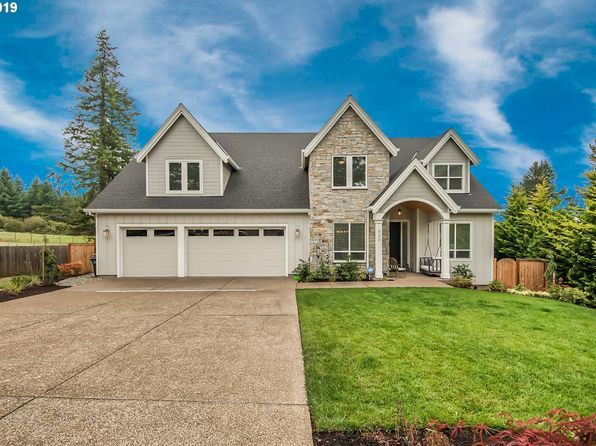
West Linn attracts buyers who want strong schools, larger homes, and a quieter suburban environment while still maintaining access to Portland. Median home prices generally fall in the mid to high $700,000s, with price per square foot closer to Portland averages. Homes typically take about a month to sell.
Commute times to downtown Portland usually range from 25 to 35 minutes.
West Linn works well for families commuting several days a week and buyers planning long-term ownership. The main tradeoffs are longer commutes than Lake Oswego, limited walkability, and a car-dependent lifestyle.
Beaverton: Best for Westside Tech Corridor Commutes
For buyers working in the westside tech corridor, Beaverton is often the most practical option. Median home prices are closer to the mid $500,000s, making Beaverton more approachable than Lake Oswego or West Linn. Price per square foot tends to be slightly lower than Portland, and homes often take around 40 days to sell.
Commutes to Nike, Intel, and Hillsboro employers can be as short as 10 to 20 minutes. Commutes to downtown Portland usually range from 25 to 40 minutes depending on traffic.
Beaverton appeals to tech commuters, hybrid workers, and buyers looking for balance between price and access. Tradeoffs include heavier traffic during peak hours and less neighborhood character compared to older Portland areas.
Tigard: Strong Value and Commute Flexibility
Tigard is often overlooked, but it offers strong value for commuters. Median home prices are typically in the mid $500,000s, with some of the lowest price-per-square-foot figures in the metro area. Homes here tend to sell at a similar pace to Beaverton.
Commute times to downtown Portland and westside employers generally range from 25 to 35 minutes.
Tigard works well for buyers with split commutes, families seeking value and space, and hybrid commuters. The tradeoffs include limited walkability and congestion during peak commuting hours.
Happy Valley: Newer Homes and More Space, Longer Commutes
Happy Valley attracts buyers who want newer construction, modern layouts, and more space, often at a lower price per square foot. Median home prices sit in the mid $600,000s, with some of the lowest price-per-square-foot figures among popular Portland suburbs. Homes typically take around 40 days to sell.
Commute times to downtown Portland often range from 30 to 45 minutes.
Happy Valley is best suited for hybrid or remote workers, families prioritizing newer homes, and buyers less sensitive to daily commute length. Tradeoffs include longer commutes, limited transit, and a very car-dependent lifestyle.
Camas, Washington: A Cross-River Option with Tradeoffs
Camas frequently comes up for buyers comparing Oregon and Washington suburbs. Median home prices are higher than many Oregon suburbs, often around the low $800,000s. Homes here tend to take longer to sell, suggesting a slower-moving market.
Commutes to downtown Portland typically range from 30 to 45 minutes and depend heavily on bridge traffic.
Camas appeals to buyers prioritizing Washington residency and strong schools, but tradeoffs include longer commutes, higher prices, and a tax structure that needs to be evaluated carefully in the context of overall cost of living.
How to Choose the Right Portland Suburb for Your Commute
Here’s how I help buyers narrow their options:
- If you commute downtown four to five days per week, Lake Oswego or inner West Linn usually offer the most predictable experience.
- If you work in the westside tech corridor, Beaverton or Tigard often make the most sense.
- If you’re hybrid or remote, Happy Valley, West Linn, or Camas can offer more space without daily commute pressure.
- If value per square foot matters most, Tigard and Happy Valley stand out clearly.
One of the biggest mistakes buyers make is choosing based on price alone without factoring in how commute time affects daily life.
Final Thoughts for Relocating Buyers
The best Portland suburb for commuters isn’t about rankings. It’s about alignment between commute, lifestyle, budget, and long-term plans. Looking at data like home prices, price per square foot, days on market, and realistic commute expectations gives you a clearer picture than headlines or assumptions alone.
If you want help comparing specific suburbs based on your commute, priorities, and long-term goals, I’m happy to talk through it and help you identify the best fit.
Categories
Recent Posts