
New Construction vs. Existing Homes in the Portland Metro: Which Is Right for Your Move-Up?
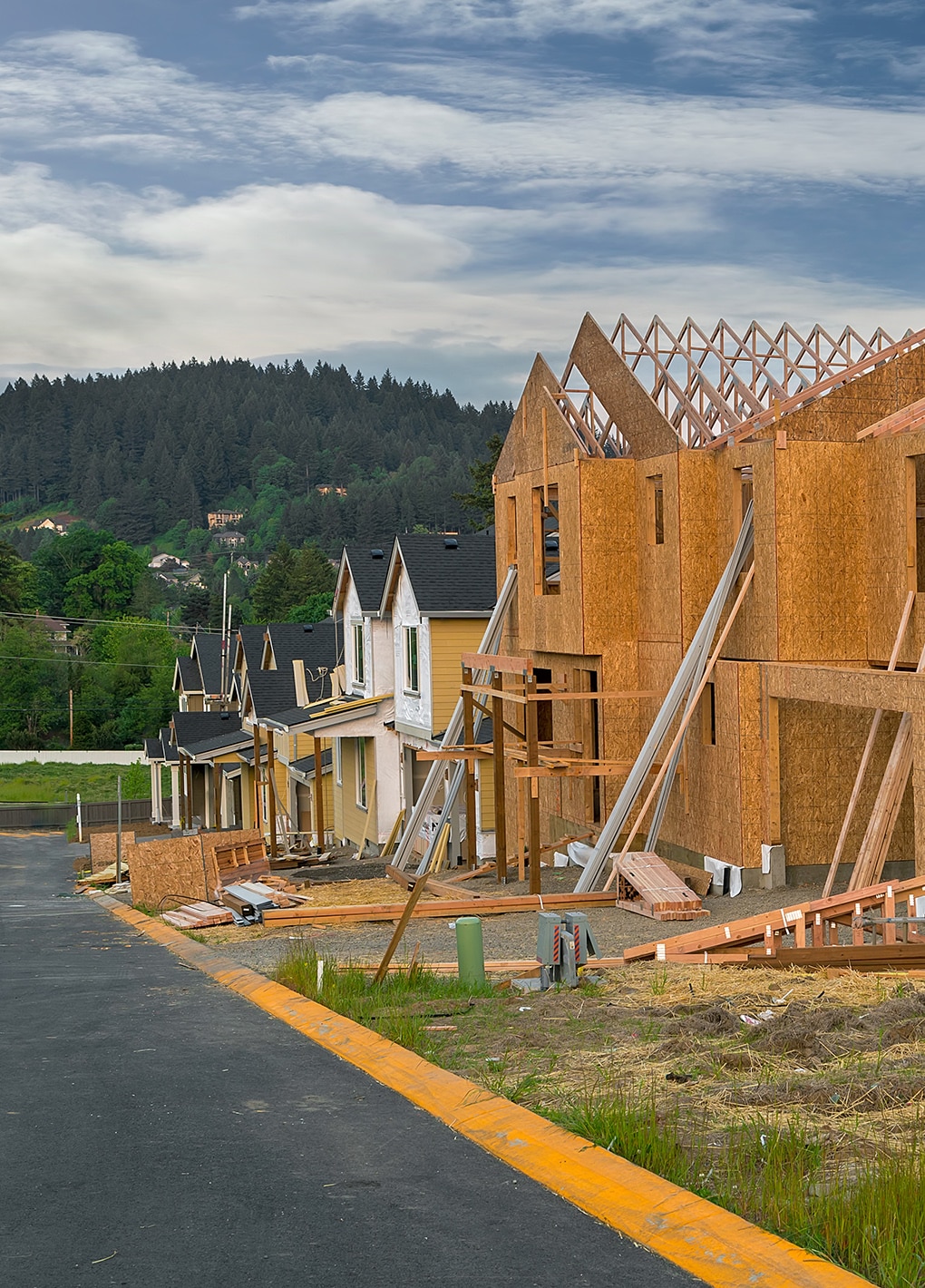
For many Portland homeowners planning a move-up, the decision isn’t just about square footage or finishes. It often boils down to a bigger question: should you buy new construction, or does an existing home make more sense in today’s market?
I help move-up buyers around the Portland metro navigate this choice every week. While both options can work, the current market strongly favors buyers of existing homes—especially if you know how to negotiate and look beyond surface appeal.
Here’s a clear, data-driven breakdown of new construction versus existing homes in Portland, focusing on what really matters for move-up buyers in late 2025.
Why This Decision Matters for Move-Up Buyers
When you’re moving up, you’re juggling several things at once:
-
Equity from your current home
-
Coordinating a sale and purchase close together
-
Lifestyle upgrades like space, layout, or location
-
Long-term resale considerations
The type of home you choose affects more than aesthetics. It directly impacts price leverage, negotiation power, and total cost of ownership.
New Construction Homes in the Portland Metro
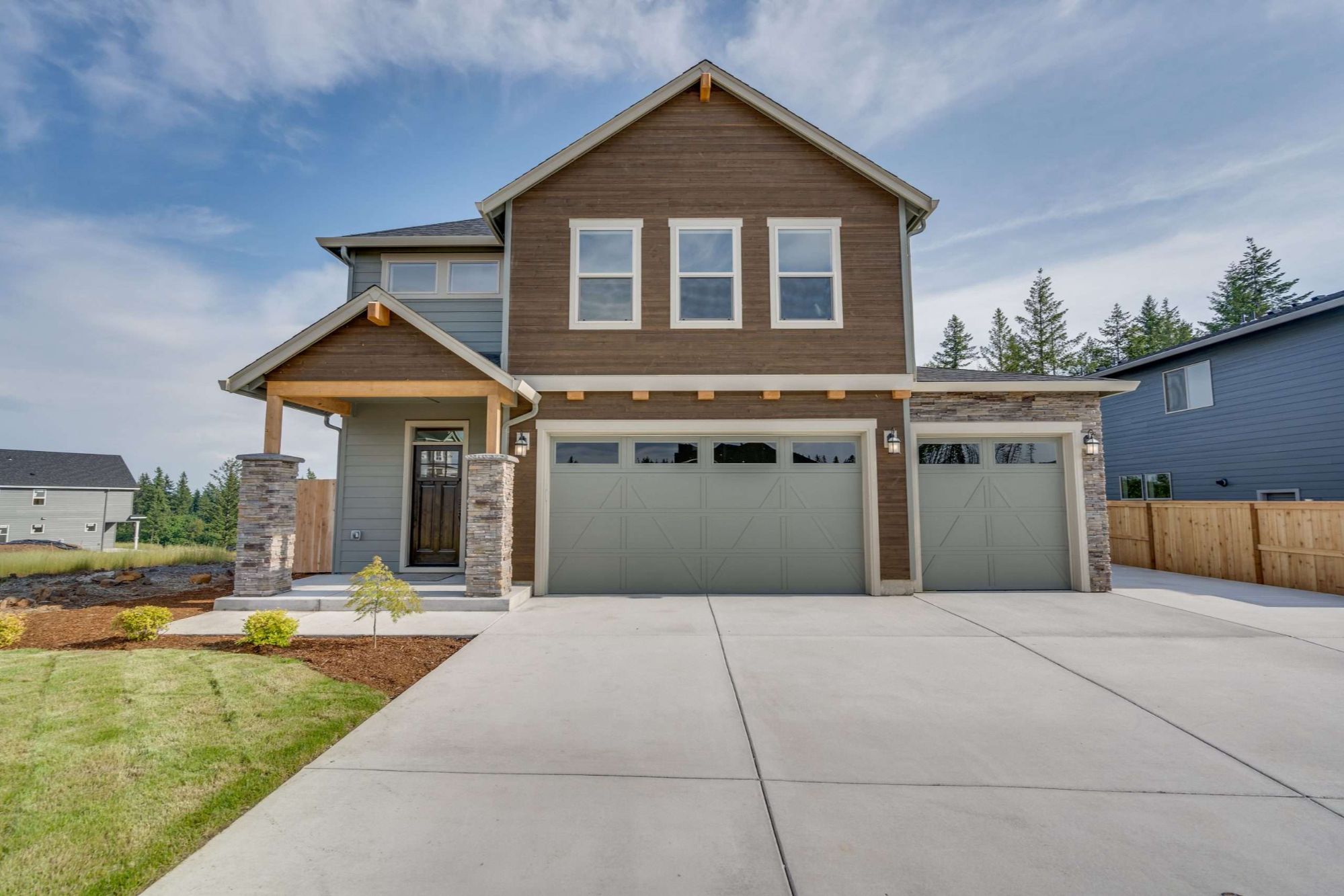
New construction exists in Portland, but it represents a small and shrinking slice of the market.
According to the Portland Appraisal Blog’s Q3 2025 report, new construction made up only about 9% of single-family home sales. Even more telling, those sales were down roughly 25% compared to Q3 2024.
That context matters for move-up buyers.
Pros of New Construction
New construction can still be appealing if you value:
Modern layouts and systems
These homes often feature open floor plans, newer materials, and energy-efficient designs that match current buyer preferences.
Lower short-term maintenance
With new roofs, HVAC, plumbing, and electrical, maintenance costs are usually lower in the first several years.
Energy efficiency
Features like heat pumps and high-performance windows can reduce utility bills and appeal to eco-conscious buyers.
Customization options
Depending on timing, you may be able to choose finishes or upgrades.
Cons of New Construction
There are meaningful tradeoffs to consider:
Location compromises
Most new builds are outside Portland’s older, established neighborhoods. If walkability, mature trees, or character matter, this can feel like a downgrade.
Upgrade costs add up quickly
Base prices rarely reflect the final cost. Design-center upgrades can push buyers well beyond their initial budget.
Limited negotiation flexibility
Builders tend to hold firm on price and terms, even when the broader market slows.
Smaller lots
New construction often comes with less outdoor space and reduced privacy.
Existing Homes in the Portland Metro
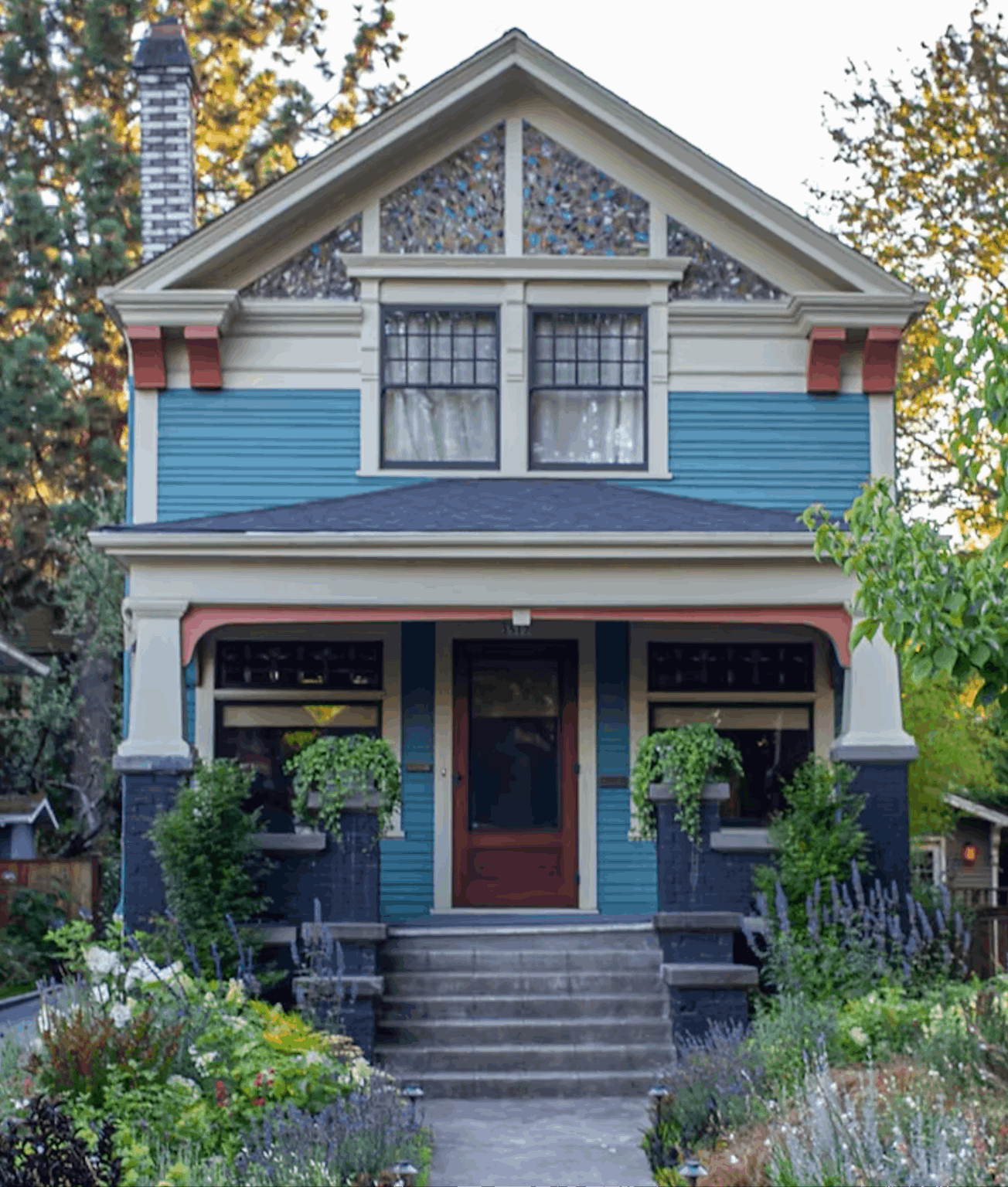
Existing homes dominate Portland’s housing market and currently offer real advantages for move-up buyers.
Why the Current Market Favors Existing Homes
According to the Portland Appraisal Blog, average days on market reached 56 days in September 2025. At the same time, Real Estate Agent PDX reports that over 50% of active listings had price reductions by mid-October.
For buyers, that means opportunity.
Longer market times and widespread price reductions translate into:
-
More room to negotiate price and terms
-
Greater chances of seller concessions
-
Less pressure to waive inspections or contingencies
This is a very different environment from the hyper-competitive market buyers faced just a few years ago.
Pros of Existing Homes
Existing homes offer several benefits:
Established neighborhoods
Walkability, larger lots, mature landscaping, and proximity to schools, parks, and local businesses.
Negotiation leverage
In today’s market, buyers often have flexibility around price, repairs, and closing timelines—especially on homes that have been sitting longer.
Architectural character
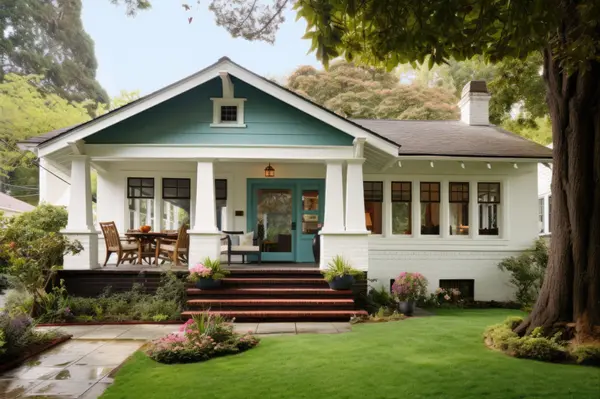
Craftsman, mid-century, and traditional homes offer charm and layouts that new construction can’t replicate.
Lot size and privacy
Older homes frequently sit on larger lots with more separation from neighbors.
Cons of Existing Homes
There are tradeoffs to weigh:
-
Older systems may need updates sooner
-
Some layouts don’t align with modern lifestyles or remote work
-
Cosmetic or functional improvements may be needed over time
Cost Considerations: Grounding the Decision in Real Numbers
According to the Portland Appraisal Blog, the regional median home price was about $600,000 in Q3 2025, holding steady year over year. Real Estate Agent PDX reports the average price per square foot at roughly $313 as of October.
New construction typically costs more per square foot—especially once upgrades are added. Existing homes, particularly those with recent price reductions, often offer better overall value when you factor in location and lot size.
It’s not just about the sticker price. It’s about how far your equity stretches and how much flexibility you retain after closing.
Lifestyle Fit: Which Option Matches You?
New construction may be a good fit if you:
-
Want low maintenance and predictability
-
Prefer modern layouts and energy efficiency
-
Don’t mind living farther from the city core
-
Want to avoid renovation projects
Existing homes may be the better fit if you:
-
Value walkability and established neighborhoods
-
Want architectural character and larger lots
-
Are comfortable managing updates over time
-
Want more negotiation leverage
Resale and Long-Term Value
Existing homes in strong Portland neighborhoods tend to:
-
Hold value well due to limited supply
-
Appeal to buyers seeking location and character
New construction can also perform well long-term, especially in growing areas with improving amenities and flexible layouts.
Your timeline matters. If you expect to move again within five to seven years, resale dynamics should be a major part of your decision.
So, Which Is Right for Your Move-Up?
There’s no one-size-fits-all answer. The best move-up purchase aligns with:
-
Your financial situation
-
Your lifestyle priorities
-
Your tolerance for maintenance or projects
-
Your long-term plans
Right now, existing homes often offer more leverage and opportunity, while new construction remains a smaller, more specialized segment of the market.
Frequently Asked Questions
Is new construction more expensive than existing homes in Portland?
Often, yes on a price-per-square-foot basis. While new homes may have lower maintenance costs initially, existing homes typically offer better value for location and lot size.
Do existing homes require major renovations?
Not always. Many only need cosmetic updates or phased improvements rather than full remodels.
Is new construction a good option for families?
It can be, especially if you prioritize newer systems and low maintenance. Location and commute should still be carefully considered.
Thinking About Moving Up in the Portland Metro?
Choosing between new construction and an existing home is a strategic decision—especially when you’re selling and buying at the same time. If you want help evaluating which option fits your budget, timeline, and long-term goals, I’m happy to walk through it with you.
Schedule a Move-Up Strategy Consult, or explore my Buyer’s Guide to understand the process step by step.
Categories
Recent Posts