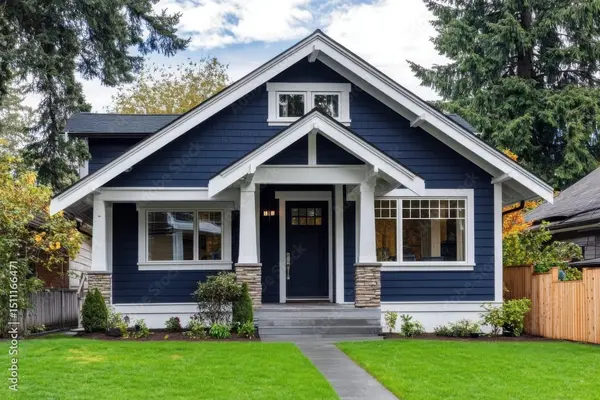

Portland vs. Seattle: A Real Estate Cost of Living Comparison for Relocating Professionals

If you’re a professional thinking about moving to the Pacific Northwest, you’ve probably been torn between Portland and Seattle. I see this dilemma all the time with tech workers, remote pros, and families who want solid job markets without giving up lifestyle—or long-term financial flexibility. I went through this very decision with my young family a few years ago and made the move from Seattle to Portland, so I get the challenge in making the decision.
Both cities boast vibrant culture, strong LGBTQIA+ communities, and amazing outdoor access. But when it comes to housing costs and overall living expenses, the differences between Portland and Seattle are pretty striking—especially if you're eyeing homeownership.
Here’s a data-driven look at how these two markets stack up and what it means for those relocating.
Housing Costs: Where the Gap Is Largest
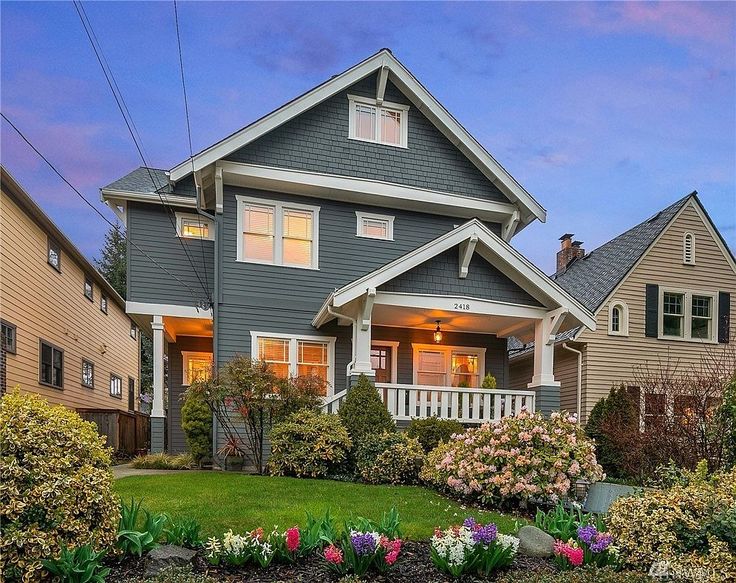
Housing is the biggest factor separating Portland and Seattle—and the numbers don’t lie. As of November 2025, the median home price in Seattle sits around $865,000, while Portland’s median is $515,000. That’s nearly a 68% difference, or over $350,000 separating the two.
For buyers moving here, that gap means real tradeoffs. A budget that buys a modest single-family home in Seattle often gets you a larger home, a bigger lot, or a more established neighborhood in Portland.
Price Per Square Foot: Value vs. Density
Looking at price per square foot makes the difference even clearer. Seattle averages $558 per square foot, while Portland clocks in at $306. That’s about an 82% premium in Seattle.
This really matters if you work from home and need space, are relocating with family, or want flexibility for long-term ownership. Portland’s lower price per square foot gives buyers more breathing room—both physically and financially—especially in close-in eastside neighborhoods.
Rent Comparison: Still a Meaningful Difference
The rental market tells a similar story. Across all unit sizes, Portland rents run roughly 20% lower than Seattle’s. For example, a one-bedroom downtown averages about $1,979 in Portland versus $2,410 in Seattle. A three-bedroom downtown goes for $3,595 in Portland compared to $4,581 in Seattle.
If you plan to rent first, Portland often offers larger units, more neighborhood options, and an easier path to homeownership.
Taxes: Income vs. Sales Tax Tradeoffs
Taxes spark a lot of debate in this comparison. Oregon, where Portland sits, has no state or local sales tax but a progressive income tax with higher rates for top earners.
Washington, home to Seattle, has no state income tax on wages but sales tax often topping 10% when you add local rates. For very high earners, Washington’s lack of income tax can mean a lower overall tax bill. But for families and moderate-to-high earners, Portland’s no sales tax often feels more noticeable day-to-day, especially on big purchases.
Property taxes are moderate in both states, but Seattle’s higher home values usually mean bigger annual bills.
Utilities, Transportation, and Daily Living Costs
Beyond housing, Portland tends to be cheaper across the board. Compared to Seattle:
- Utilities run about 11% lower
- Internet costs are roughly 16% less
- Groceries come in around 18% cheaper
- Restaurants are more than 20% less expensive
All told, Portland’s cost of living excluding rent is about 17.5% lower than Seattle’s. Commutes are usually shorter, and parking and congestion costs don’t hit as hard.
Lifestyle and Quality of Life

Both cities shine with strong LGBTQIA+ communities, excellent food and coffee scenes, and easy access to outdoor fun.
Portland often appeals to those who want a more neighborhood-focused pace, a better work-life balance, and housing that supports long-term stability instead of constant compromise.
Seattle tends to attract folks who prioritize being close to major corporate campuses and enjoy a denser, high-energy urban vibe.
Job Market and Remote Work Considerations
Seattle remains the bigger corporate and tech hub, with more global employers packed in. Portland’s job market is smaller but diverse, increasingly drawing remote and hybrid professionals.
Many buyers I talk to pick Portland because it lets them separate income from housing pressure—earning good salaries while buying into a more balanced housing market.
Which City Is the Better Fit?
You might lean toward Portland if you want more home for your money, are relocating with family, or value neighborhood character and flexibility. Seattle could be better if you need daily access to major corporate offices, prefer a dense urban environment, or are optimizing for income-tax efficiency at very high salary levels.
Frequently Asked Questions
Is Portland cheaper than Seattle overall?
Yes. Housing costs are much lower in Portland, and daily living expenses are meaningfully less—even after factoring in Oregon’s income tax.
Is it easier to buy a home in Portland than Seattle?
Generally, yes. Portland buyers usually face less competition, more negotiating room, and fewer situations where they need to waive contingencies.
Do tech professionals still choose Portland over Seattle?
Absolutely. Many remote and hybrid tech workers pick Portland for lifestyle reasons and better housing value.
Which city is better for families?
Both work, but Portland often offers more accessible single-family homes, shorter commutes, and neighborhoods that support long-term family life. It is also a slower pace of life and a smaller city.
Thinking About Relocating to Portland?
If you’re comparing cities and want a realistic sense of what your budget actually buys, I’ve put together a Portland Relocation Guide just for relocating professionals. Reach out if you want a personalized Portland vs. Seattle comparison based on your goals.
Categories
Recent Posts