
The Best of SE Portland: A Guide to the Hawthorne and Belmont Neighborhoods for New Residents
Introduction: Living Near Hawthorne and Belmont in SE Portland
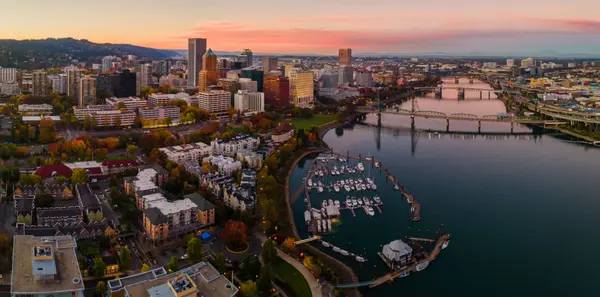
If you’re moving to Portland and want a neighborhood that feels vibrant, walkable, and unmistakably Portland, SE Hawthorne and Belmont often top the list. I work with many relocation buyers drawn to this part of Southeast Portland because it strikes a rare balance: lively without being overwhelming, community-oriented without feeling quiet, and urban without losing warmth or character. If you’re new to Portland, here’s a clear, data-informed look at what living near Hawthorne and Belmont is really like—and how to decide if this part of SE Portland fits your lifestyle.
Where Are Hawthorne and Belmont?
Hawthorne and Belmont run parallel east-west corridors in close-in Southeast Portland, mainly within the 97214 and 97215 zip codes. They sit just south of Laurelhurst and north of Division Street, offering easy access to downtown, inner NE Portland, and much of the east side. For new residents, location is a big part of the appeal. Commutes to downtown are short, streets are flat and bike-friendly, transit access is strong, and daily errands are highly walkable.
The Overall Vibe: Lived-In, Local, and Creative
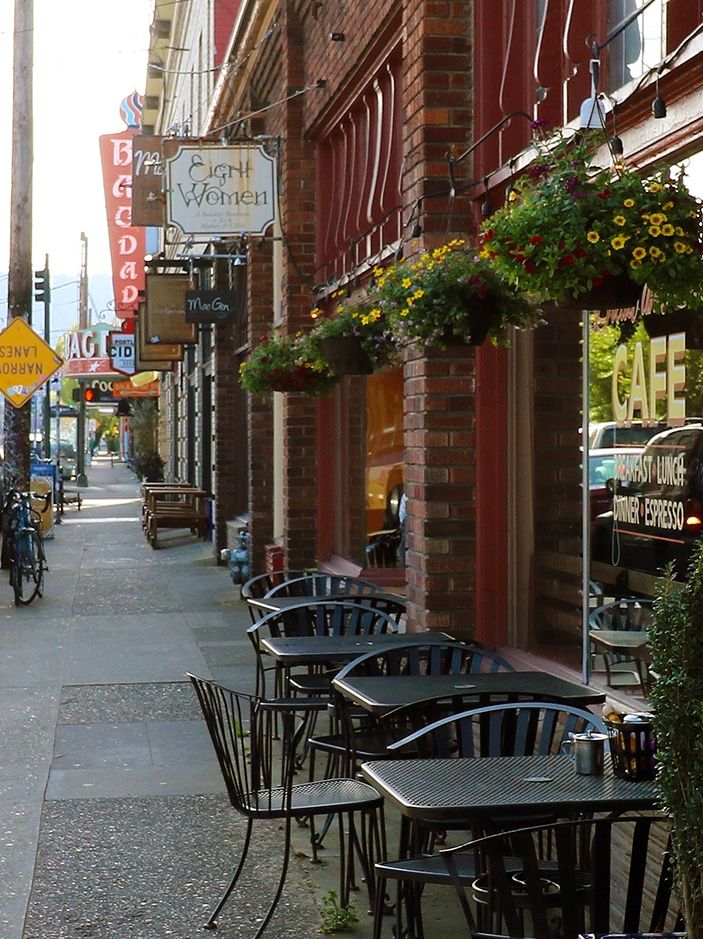
Hawthorne and Belmont feel authentic rather than curated. You’ll find locally owned shops, long-standing coffee spots, vintage stores, bookstores, casual bars, and restaurants that feel neighborhood-oriented instead of destination-driven. Hawthorne, mostly in the 97214 zip code, tends to feel busier and more eclectic. Belmont overlaps more with 97215 and feels slightly quieter and more residential, though still lively. As of late 2025, the median sale price in Hawthorne’s core hovered around the low $700,000s, while Belmont and Sunnyside were closer to the mid $600,000s. Hawthorne also showed slightly stronger year-over-year appreciation, reflecting the premium buyers place on density and walkability. Together, these neighborhoods appeal to relocation buyers, LGBTQIA+ residents, creative professionals, and families who want walkability without high-rise living.
Housing Style and What New Buyers Should Expect
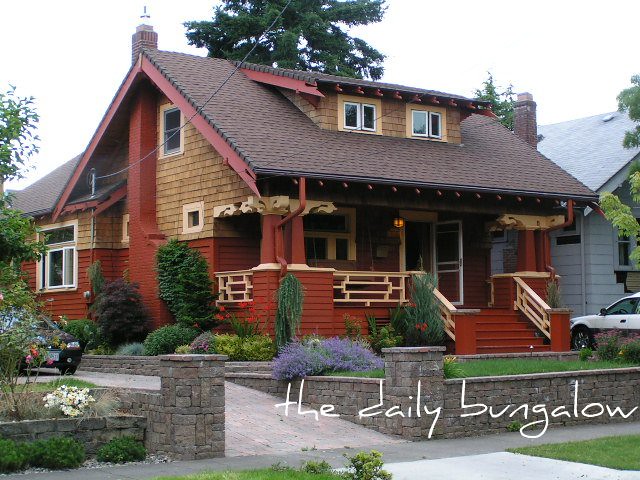
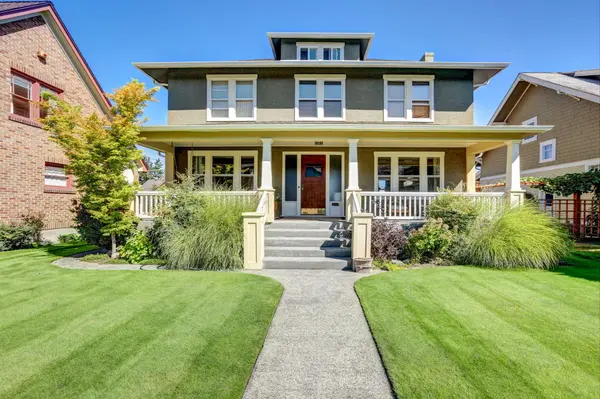
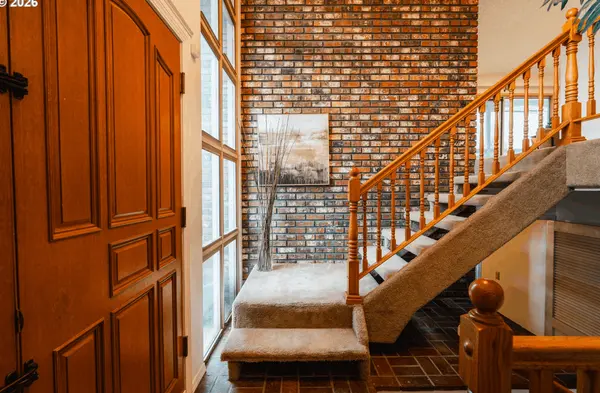
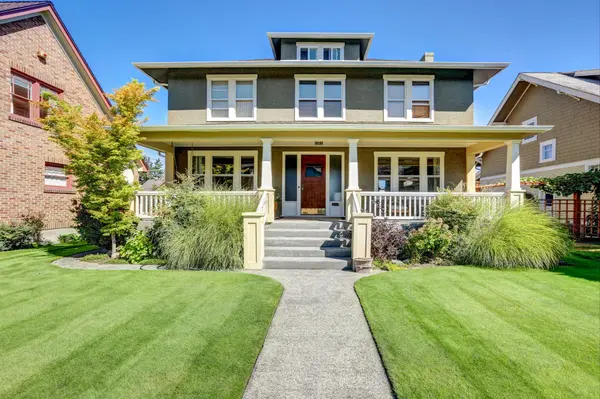
Most homes near Hawthorne and Belmont are older single-family houses, many built between the early 1900s and mid-century. The median home age in both neighborhoods is well over 70 years, with a large portion built before World War II. Craftsman bungalows, early Portland foursquares, and smaller traditional homes with finished basements are common. For buyers moving from out of state, it’s important to know these homes often trade modern layouts for character and location. Updates vary widely from home to home, so pre-inspections are common and especially important given the age of the housing stock.
Walkability, Bikeability, and Getting Around
One of the biggest reasons people choose Hawthorne and Belmont is how easy it is to live without relying heavily on a car. The Hawthorne core scores as a Walker’s Paradise and a Biker’s Paradise, with excellent walkability and bike access. Even the more residential Belmont and Sunnyside areas rate very walkable and bikeable. Daily life often includes walking to groceries, coffee, or dinner, biking on neighborhood greenways, and using TriMet bus lines for easy access to downtown and other parts of the city. For many relocation buyers, this level of walkability represents a meaningful quality-of-life upgrade.
Food, Coffee, and Everyday Amenities
Living near Hawthorne and Belmont means daily convenience without feeling overcommercialized. Within a short walk, residents typically find independent coffee shops, bakeries, casual brunch spots, neighborhood bars, and a wide range of local dining options. Hawthorne feels a bit more eclectic and busy, while Belmont skews calmer and more residential. Both corridors offer the everyday amenities that make it easy to settle in quickly after a move.
Parks, Green Space, and Outdoor Access
While Hawthorne and Belmont are urban corridors, green space is close by. Nearby parks include Laurelhurst Park and Colonel Summers Park, along with tree-lined residential streets that make walking and biking enjoyable. The eastside location also makes it easy to head out of the city for weekend trips, whether that’s the Gorge, Mount Hood, or the Oregon Coast.
How Competitive Is the Market?
Despite broader market shifts in 2025, Hawthorne and Belmont remain highly competitive. Homes in both neighborhoods tend to sell quickly, often within two weeks, and commonly receive multiple offers. Sale prices frequently land at or slightly above list price, especially for well-located and well-maintained homes. For new residents, preparation matters. Strong pre-approvals, realistic expectations, and neighborhood-specific strategy are important when buying here.
Who These Neighborhoods Are Best For
Hawthorne and Belmont tend to resonate most with people who value walkable, human-scale neighborhoods, older homes with character, and a strong sense of local identity. They’re especially popular with relocation buyers who want to experience Portland as a place, not just a housing market.
A Few Tradeoffs to Consider
No neighborhood is perfect. Some buyers notice limited square footage compared to newer suburban homes, older systems that may need updates, and tighter street parking on busier blocks. For many residents, these tradeoffs are well worth it for the lifestyle and location, but it’s important to understand them upfront.
Frequently Asked Questions
Is Hawthorne or Belmont better for families?
Both can work well. Belmont tends to feel slightly quieter and more residential, while Hawthorne offers more immediate activity. Block-by-block differences matter.
Are these neighborhoods safe?
Like most close-in urban areas, safety varies by street. Many residents feel comfortable, especially on residential blocks just off the main corridors.
Do I need a car living near Hawthorne or Belmont?
Many residents still own cars, but daily life can often be managed without one thanks to walkability and transit access.
Thinking About Moving to SE Portland?
If you’re relocating and trying to decide whether Hawthorne or Belmont fits your lifestyle, a neighborhood-specific conversation is often the most helpful next step. I’ve created a Portland Relocation Guide that walks through neighborhoods, costs, and logistics for people moving to the city. You can download that, or I’m happy to talk through how SE Portland compares to other areas you’re considering. Give me a buzz at 971-443-1440.
Categories
Recent Posts