
Portland vs. San Francisco for Families: Why the Bay Area Exodus Keeps Growing
You've done the math more times than you'd like to admit. The mortgage or the rent — whichever punishing number applies to your particular corner of the Bay Area — plus childcare that rivals a second mortgage and the slow, creeping realization that your household income, which sounds impressive at dinner parties back home, doesn't quite stretch the way it should for two people working this hard. Maybe you own a place in the East Bay or Marin and you're sitting on equity that feels like a lottery ticket you're not sure how to cash. Maybe you're renting in the city and the lease renewal number just arrived and you stared at it for a full minute before closing the email. Either way, Portland has started showing up in your browser history. You've pulled up Zillow listings at 11pm. You've googled the schools, the neighborhoods, the food scene. You're not impulsive — you're thorough. And you want an honest, detailed answer to the question you're actually asking: Is Portland vs. San Francisco for families a real comparison, or just a fantasy you entertain when the Bay Area wears you down?
It's a real comparison — and the migration data confirms you're far from alone in asking it. According to Redfin's Q4 2025 out-migration data for the San Francisco metro, Portland ranks as the #3 destination for net out-migrants from San Francisco, behind only Sacramento and Miami, with approximately 1,504 net households making the move. That's not a trickle; that's a pattern. The Bay Area exodus toward Portland has been building for years, accelerated meaningfully by remote and hybrid work that decoupled high Bay Area salaries from the obligation to live near a San Francisco office. What's notable is who is leaving: according to Bay Area Council economic research, roughly 75% of San Francisco's net out-migrants are households earning $100,000 or less — working professionals and young families who built careers in the Bay Area but can no longer justify the cost of building a life there. The families making this move aren't giving up ambition. They're relocating it somewhere their money and their time can go further.
This post gives you the full picture — the financial case, the lifestyle tradeoffs, the honest complexity — so you can make a decision grounded in real information rather than either Bay Area burnout or Portland romanticism. We'll walk through the housing math, the total cost-of-living comparison, the tax conversation, schools, neighborhoods, safety, and what daily life actually looks and feels like for families who've made this move. If you're also weighing other options, I've written a comparable deep dive on Portland vs. Seattle for families — because the right answer depends on your specific priorities, not just the biggest number in a spreadsheet. Let's start with that number, though, because it's significant enough to deserve its own section.
The Housing Math: What Your Bay Area Equity Actually Buys You in Portland

The headline figure is almost difficult to take seriously until you sit with it. According to a detailed cost-of-living comparison between San Francisco and Portland, the average home cost in San Francisco runs approximately $1,373,528 compared to approximately $683,212 in Portland — meaning Portland homes cost roughly 50% less on average. Looking at current market medians, Portland's median home price sits at around $545,000 as of May 2026, while San Francisco's median sale price reached $1.7 million in May 2026, with the broader nine-county Bay Area typical home value coming in around $1.17 million. These aren't marginal differences. They're structural differences that change what homeownership means for your family's financial life.
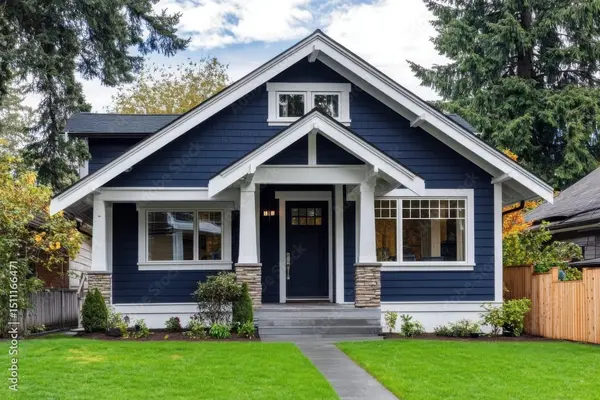
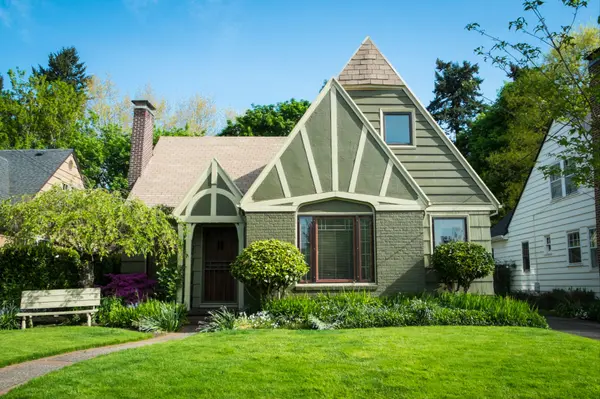
Think about what that gap translates to in practice. A family selling a modest two-bedroom condo in a mid-tier San Francisco neighborhood at $1.1 million — after paying down a mortgage and accounting for transaction costs — might walk away with $600,000 or more in equity. In Portland, that equity positions them to purchase a four-bedroom craftsman in a walkable inner-eastside neighborhood, or a newer construction home with a yard in one of the established westside family corridors, potentially with a mortgage payment meaningfully lower than what they were paying in rent. The families doing this math are not imagining a downgrade. They're imagining a different kind of upgrade than the Bay Area made available to them: more space, more financial breathing room, and the kind of stable, rooted feeling that comes from owning a home in a city where homeownership is actually accessible on a dual professional income.
Portland is not a cheap city in the way that a mid-sized Rust Belt market might be cheap. It has appreciated meaningfully over the past decade, and the inner eastside and close-in westside neighborhoods that families tend to prioritize are not bargain territory. But compared to the Bay Area, the difference is so pronounced that it almost doesn't require nuance at the top line — it just requires an honest conversation about which neighborhoods and price points are realistic for your budget. That's exactly the kind of conversation worth having with a local agent before you start falling in love with listings. For broader context on what the Portland market looks like for someone arriving from California, I've covered that in detail in my guide to moving from California to Portland: what actually changes.
The Full Cost of Living Picture (Beyond the Down Payment)
Housing is the most dramatic line item in this comparison, but it's not the only one that matters for families building a real monthly budget. A comprehensive cost-of-living comparison between the two cities puts Portland's overall cost of living at approximately 29% lower than San Francisco across major spending categories — and when you break that down, the story stays consistent in a way that matters for how you actually feel day to day.
Rent shows one of the sharpest gaps: average rent in San Francisco runs approximately $3,428 per month, while Portland's average comes in around $1,524 — roughly 56% lower. For a family renting while they get their bearings in a new city, that differential alone is nearly $1,900 a month back in the household budget before anything else changes. Groceries run approximately 7.6% less than in San Francisco — meaningful over a year for a family doing a real weekly shop. Transportation costs are approximately 15.5% lower. Utilities — a category that often surprises people — run approximately 51.7% lower in Portland, driven by Oregon's affordable electricity rates and energy mix.
The honest texture of daily spending includes things that don't show up cleanly in cost-of-living indices. Portland's farmers markets don't carry the luxury premium you may be used to absorbing on a San Francisco Saturday morning. Dining at quality independent restaurants — the neighborhood spots that become your regulars — is genuinely less expensive. Childcare costs, while not trivial anywhere on the West Coast, are lower in Portland than in the Bay Area in a way that families with young children notice immediately. Portland transplants from the Bay Area mention this consistently: not as a consolation prize, but as a genuine quality-of-life shift.
The Tax Conversation No One Wants to Skip
Taxes deserve their own honest section because they're the one area where Portland doesn't deliver a clean win over San Francisco, and families doing serious financial planning need the full picture rather than just the no-sales-tax headline.
The genuinely good news first: Oregon has no sales tax. For a family with meaningful discretionary spending — furniture for a new home, a car, school supplies, the ongoing cost of outfitting children who grow constantly — this is a real and recurring benefit. California's statewide sales tax sits at 7.25%, with local additions pushing it to 8.5–10.75% in much of the Bay Area. On a $50,000 car purchase, that's potentially $4,000 or more in tax savings. On annual household spending of $80,000 in taxable goods and services, the difference compounds significantly over time.
The more complicated piece is Oregon's income tax. Oregon's top marginal income tax rate is 9.9%. California's top rate is 13.3% — the highest in the country — which means high-income households relocating from California will see a reduction in state income tax burden. But Oregon is not a low-income-tax state by national standards. For a dual-income household earning $300,000 jointly, the state income tax picture in Oregon is better than California but not dramatically so at the top bracket. Where the math shifts more favorably is the combination: lower income tax plus no sales tax plus dramatically lower housing costs create a cumulative financial picture that looks quite different from any single line item examined in isolation.
Oregon's Measure 50 also limits annual assessed value increases, keeping property taxes generally reasonable by West Coast standards. For families with complex financial situations, equity events, or stock compensation from Bay Area employers, the specifics of your tax picture are worth a conversation with a CPA familiar with both states before you make any decisions. What I can tell you is that the overall financial case for the move — when you combine housing, cost of living, and taxes as a system — is strong for most Bay Area families. The tax piece, while real, doesn't undo the math that makes Portland compelling in the first place.
Schools: The Honest Picture (And Why Neighborhood Matters More Than District)
The question I get most from relocating families: how are the schools? The honest answer is more nuanced than a cheerleader or a skeptic would give you.
San Francisco Unified School District ranks #22 in the Bay Area on Niche, with a 3.8 out of 5 average rating from parents and students. For a district with San Francisco's tax base, that's a middling result — and many Bay Area families already know it, which is part of why they're weighing private school tuition on top of a $1.2 million mortgage.
Portland Public Schools isn't a top performer statewide, and I'm not going to pretend otherwise. Oregon's public education system has real challenges. But here's what changes the calculus for many families: Portland Public Schools' open enrollment policy gives families more flexibility than they expect, and quality varies enormously by school. The district as a whole is not the story. The specific school your child would actually attend — that's the story.
In neighborhoods like Sellwood-Moreland and Eastmoreland, elementary schools consistently draw strong community investment and parental engagement. Several Portland-area charter and magnet schools earn high marks on Niche. And because open enrollment policies give families real options, you're not necessarily locked into whatever school is two blocks away.
Childcare costs hit families hard long before kindergarten. In San Francisco, center-based infant care runs an estimated $2,459 per month according to the Children's Council of San Francisco. Oregon's statewide average is closer to $1,700 per month per Wonderschool's 2026 price guide — nearly $9,000 a year back in your pocket before kindergarten.
The bottom line on schools: research at the neighborhood level, not the district level. In Portland, the neighborhoods where schools shine aren't priced as if they know it.
Neighborhoods: Where Portland Families Actually Land
If you're relocating from the Bay Area, you already know that neighborhood-level research matters. Portland works the same way — and the Eastside, in particular, offers a range of family-oriented communities that tend to surprise people who only know Portland from the headlines. I put together our guide to Eastside Portland neighborhoods specifically for families making this kind of move.
Sellwood-Moreland sits along the Willamette River on the southeast side — quiet, walkable, with a small-town-in-the-city feel that families from high-density metros fall in love with fast. Eastmoreland is one of Portland's most established residential neighborhoods, with tree-lined streets, strong community ties, and proximity to Reed College. Hillsdale, on the southwest side, offers a more suburban feel with easy access to OHSU and excellent nearby trails.
If you want walkability and culture alongside family life, the Hawthorne District and the Alberta Arts District deliver independent restaurants, bookstores, and weekend markets that are hard to find at this price point anywhere. For families who want serious outdoor access, neighborhoods near Forest Park put 5,200 acres of urban wilderness — the largest urban forest in the United States — essentially in your backyard. I've written a full rundown of Portland neighborhoods with the best trail and park access if that's a priority.
Most families I work with want a dedicated home office, real outdoor space, and a modern kitchen. In Portland's family neighborhoods, that's a realistic expectation at $550,000–$750,000. In San Francisco, it's a fantasy at twice the price.
Safety: What the Data Says, and What It Doesn't
Let's talk about this directly, because you've probably seen the headlines and you deserve a straight answer.
Portland has had real, well-documented public safety challenges — particularly in and around downtown and Old Town. Those issues are real and ongoing, and I'm not going to spin them. The neighborhoods where families predominantly buy and live — Sellwood, Eastmoreland, Hawthorne, Hillsdale, the Pearl, and others — tell a very different story than the blocks that dominate national coverage. Ask me about specific areas and I'll give you honest, current information rather than a headline or a sales pitch.
A Few Other Things Bay Area Families Ask Me
Portland comes up in conversations about quality of life, but also about community and belonging in a broader sense. If that's on your mind, I wrote a detailed post on whether Portland is LGBTQ-friendly that goes well beyond the surface answer. And if you're ready to get serious about the buying process itself, The Complete Portland Home-Buying Guide for Families walks through what the process actually looks like here.
One question I hear constantly right now: should we wait for interest rates to come down before we buy? I broke that down in an honest 2026 breakdown of whether Portland families should wait for lower interest rates or buy now. The short answer is more nuanced than you might expect.
What I'd Tell You If You Asked Me Directly
I moved to Portland from Seattle, so I understand what it means to weigh a city on paper against what it actually feels like to live there. The families I've worked with who came to Portland skeptical — who had done the math but weren't sure if the city would feel like home — most of them are still here. And the thing that surprised them most wasn't the price difference. It was how much easier daily life felt. Less commute. More space. Kids who actually play outside.
If you're in that research phase right now — weighing school districts, crunching mortgage numbers, trying to figure out if this is a real option — I'd genuinely enjoy that conversation. You can explore more on the KD Real Estate blog, or reach out directly. No pressure, no obligation. Just honest information from someone who knows this market.
Frequently Asked Questions
Is Portland really more affordable than San Francisco for families?
Yes, significantly — and the gap is wider than most people expect. The median home price in Portland runs roughly $450,000–$500,000 compared to well over $1.2 million in San Francisco. That difference compounds across your mortgage, property taxes, childcare, and daily expenses. For families who have been priced out of Bay Area homeownership, Portland is often where the math finally works.
How are Portland Public Schools compared to San Francisco Unified?
Both districts have real strengths and real challenges, and neither should be evaluated at the district level alone. San Francisco Unified ranks #22 in the Bay Area on Niche with a 3.8 out of 5 parent rating — solid but not exceptional for a district of its resources. Portland's best outcomes are found in specific neighborhoods and schools, and Portland Public Schools' open enrollment policy gives families more flexibility to access those schools than many realize.
What Portland neighborhoods are best for families moving from the Bay Area?
Sellwood-Moreland, Eastmoreland, Hawthorne, Hillsdale, and neighborhoods near Forest Park are consistently where Bay Area families land and stay. They offer walkability, outdoor access, community feel, and school quality that transplants tend to prioritize. Our guide to Eastside Portland neighborhoods has a deeper breakdown.
Is Portland safe for families?
Portland's safety picture is genuinely neighborhood-dependent. The challenges that have received national attention are concentrated in specific parts of downtown and Old Town, not across the residential neighborhoods where most families buy. I'd encourage you to research current conditions in any specific neighborhood you're considering — I'm happy to share what I'm seeing on the ground rather than pointing you to a statistic that may not reflect the block you're actually looking at.
How much does daycare or childcare cost in Portland compared to San Francisco?
The difference is meaningful. San Francisco center-based infant care runs an estimated $2,459 per month according to the Children's Council of San Francisco. Oregon's statewide average is closer to $1,700 per month per Wonderschool's 2026 data — roughly $9,000 a year in savings on childcare alone, before you factor in the mortgage difference.
Ready to Run the Real Numbers?
If you're a Bay Area family seriously considering Portland, the most useful thing I can do is look at your actual situation with you — what you can afford here, which neighborhoods fit your life, and what the buying process looks like when you're relocating from out of state.
I'm Kerrie, and I run KD Real Estate, brokered by eXp Realty. I work with families and buyers who want straight answers, not a sales experience. Reach out when you're ready — there's no cost to the conversation, and you'll leave knowing more than when you started. In the meantime, the KD Real Estate blog has detailed guides on neighborhoods, the buying process, interest rates, and more.
Sources
- Redfin: San Francisco Housing Market Data, 2026
- Zillow: San Francisco Home Values, 2026
- The Opt: Average Home Cost in Portland, 2026
- Zillow: Homes Should Be Affordable in 20 Major Markets by Year's End, 2026
- MTC Vital Signs: Bay Area Home Values
- Apartments.com: Cost of Living Comparison, San Francisco vs. Portland
- Bay Area Council Economic Institute: Bay Watch Migration Data
- Niche: Best School Districts in San Francisco Bay Area
- Portland Public Schools
- Children's Council of San Francisco: Child Care Costs
- Wonderschool: How Much Does Daycare Cost, 2026
Categories
Recent Posts