
Portland vs. Boise for Families in 2026: Housing, Schools, Lifestyle, and the Real Trade-Offs
Maybe you've been casually watching the Portland market for a while — toured a few homes, maybe even lost a bid — and somewhere along the way a colleague who relocated to Boise started sending you screenshots. Big backyards. Newer builds. Price tags that made you do a double-take. If you're weighing Portland vs. Boise for families, you're not alone, and you're asking exactly the right question. But here's what those screenshots don't show you: the gap between these two cities has narrowed considerably, and the decision is far more nuanced than square footage and sticker price.
This comparison is built on current 2026 market data — not vibes, not outdated headlines — because you deserve an honest look at both cities, not a sales pitch for either direction. Whether you're a dual-income household trying to maximize what your money buys or a family prioritizing schools and community over commute times, the right answer genuinely depends on what your family is actually optimizing for. I've done this same analysis for families comparing Portland to Seattle, Denver, and Austin. You'll get the same straight talk here.
The Quick Answer: What Are You Actually Choosing Between?
At a glance, Portland and Boise look like they're playing in the same league. Both are mid-sized Western cities with easy access to mountains, rivers, and outdoor recreation. Both have growing economies, a genuine food and coffee culture, and a reputation for livability that larger metros can't always claim.
But they're meaningfully different places. Portland is a culturally dense, politically progressive metro of roughly 2.54 million with deep food and arts infrastructure, an established LGBTQ+ community, and home prices that reflect all of that desirability. Boise is a faster-growing, more politically conservative city of approximately 850,000 — with a lower overall cost of living, a sunnier climate, and a family-friendly culture that's been pulling Pacific Northwest transplants for years.
Boise is not a lesser Portland. It's a genuinely different kind of city. The question isn't which one is better — it's which one fits the life your family is building.
Portland vs. Boise Housing Market in 2026: What Does Your Money Actually Buy?
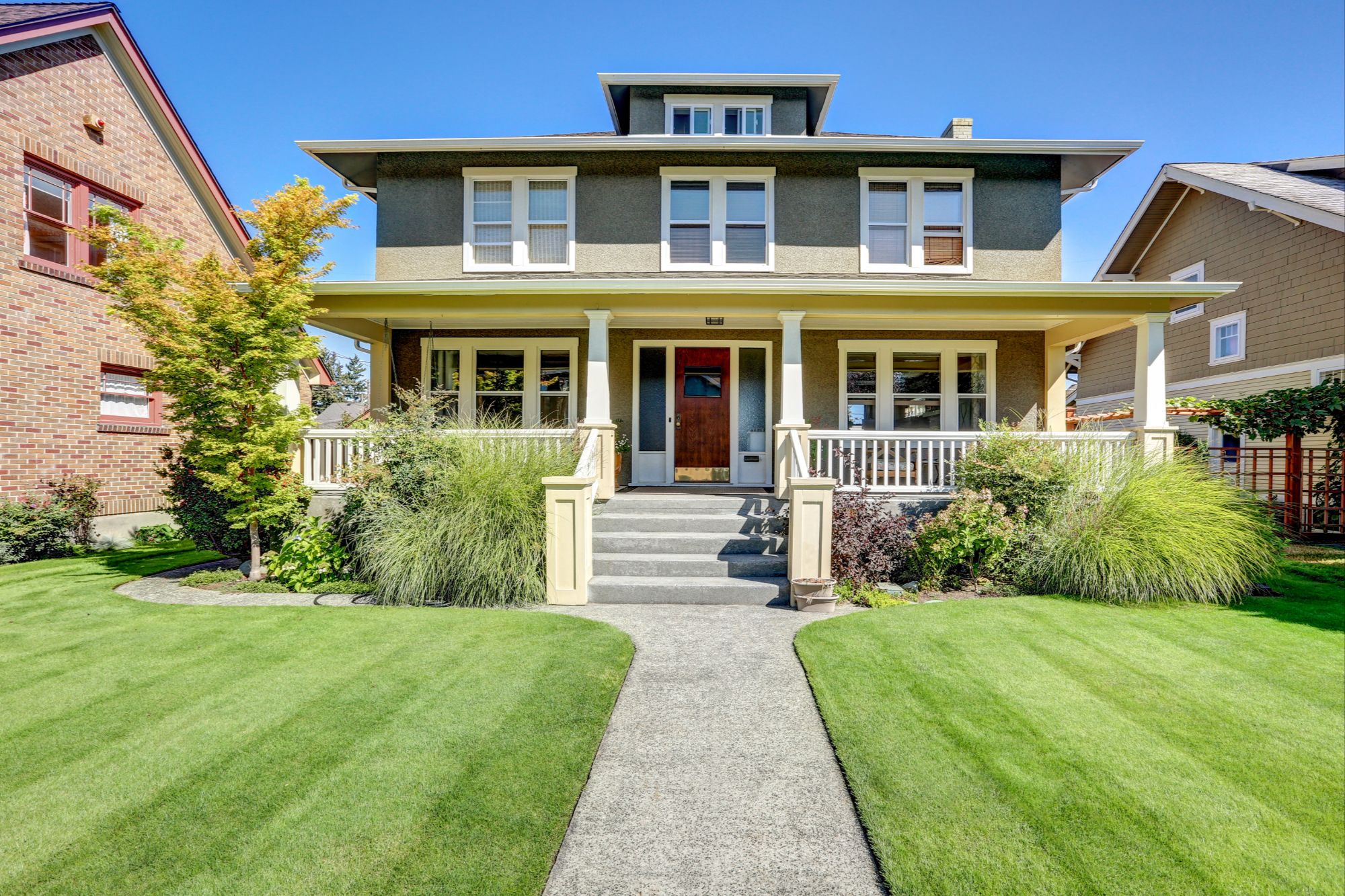
Portland Home Prices Right Now
As of mid-2026, Portland's median home sale price sits at approximately $535,000 on Redfin (three months ending May 2026) and $507,333 on Zillow (April 2026). The spread between those figures reflects the difference between active sale prices and Zillow's automated valuation model, but both tell the same story: you're working with a median solidly above $500K.
Homes are moving at a measured pace. Zillow shows listings going pending in roughly 33 days overall, with well-priced homes in desirable neighborhoods moving faster. It's not the frenzied 2021 market, but it's not a buyer's market either. Inventory has improved from pandemic-era lows, so bidding wars are less automatic — but strong listings in strong neighborhoods still draw real competition.
At a $450,000 budget in Portland, you're looking at entry-level single-family homes in outer Southeast, condos or townhomes closer to the core, or older Eastside homes that need updating. The Complete Portland Home-Buying Guide for Families walks through what different budget levels actually get you by neighborhood — worth reading before you set your search parameters.
Boise Home Prices Right Now
Boise's pricing is more layered than the
Portland vs. Boise Schools: What Do the Numbers Actually Say?
Portland Public Schools has had a rough few years — budget shortfalls, declining enrollment, and consolidations that have frustrated families across the district. The district-level performance data isn't flattering, and I'm not going to pretend otherwise.
But those district averages miss something important: school quality in Portland is deeply neighborhood-dependent. Elementary schools in Eastmoreland, Sellwood, and the Alameda area have strong academic reputations and tight community involvement that routinely outperform the district average. Families who buy thoughtfully — choosing a neighborhood with a strong specific school rather than betting on the district as a whole — often report excellent experiences.
On the Boise side, West Ada School District, which serves much of suburban Meridian, is consistently ranked among Idaho's top-performing districts and is a genuine draw for families. Boise School District itself is solid. But the same caveat applies — not every Boise suburb feeds into equally strong schools, and some newer developments on the metro's outer edges are still building out their school infrastructure.
The honest advice: don't let district-level ratings drive a city-level decision. In both Portland and Boise, the variance within the metro is wider than the variance between them. Research the specific schools attached to specific neighborhoods, visit if you can, and talk to parents who are already there.
Safety in Portland vs. Boise: The Honest Answer
Portland had real public safety challenges after 2020 — elevated crime rates, visible homelessness, and a city struggling to find its footing. I'm not going to minimize that. It shaped how Portland is perceived nationally, and those perceptions are understandable.
But the data tells a more current story. According to the City of Portland's midyear 2025 crime report, violent crime fell 17% in the first half of 2025 compared to the same period in 2024. Homicides dropped 51%. Aggravated assaults were down 18%, robberies 10%, and sexual assaults 12%. Those are meaningful numbers moving in the right direction.
Boise's crime baseline remains significantly lower than Portland's — that's a factual statement worth acknowledging. If city-wide safety metrics are a primary filter, Boise has a genuine advantage. But here's what most families miss: Portland's city-wide crime statistics tell you almost nothing about the neighborhood you'd actually live in. Areas like Sellwood-Moreland, Eastmoreland, Woodstock, and many established Northeast neighborhoods have remained relatively safe throughout recent years. Families who research neighborhood-level data rather than city-wide aggregates often find a meaningfully different picture. The Eastside Portland neighborhood guide gives a ground-level sense of what those communities actually look like day-to-day.
Lifestyle for Families: Where Portland Pulls Ahead
Outdoor Access
Portland's outdoor access is hard to replicate. Forest Park covers 5,172 acres within the city limits — one of the largest urban forests in the country — with over 80 miles of trails accessible from residential neighborhoods. The Columbia River Gorge is about 30 minutes from the city center; Mount Hood is roughly an hour. The Oregon Coast is 90 minutes. You can genuinely hike before work on a Tuesday and be back for school pickup.
Boise's outdoor scene is real and shouldn't be dismissed. The Boise River Greenbelt runs 25 miles through the city, the Boise Foothills offer trails minutes from downtown, and Bogus Basin provides skiing 16 miles from the city center. Families who move to Boise for the outdoor life don't feel cheated. But Portland's combination of in-city forest, mountain access, river gorge, and coastline — all within an hour or two — is an unusually strong hand. For a full breakdown by neighborhood, see the guide to Portland neighborhoods with the best trail and park access.
Cultural and Community Life
Portland's metro of roughly 2.5 million supports a cultural infrastructure a city of 850,000 simply can't match. That means a more varied restaurant and food scene, more live music and arts, Powell's Books, established neighborhood farmers markets, and a professional services ecosystem that reflects a larger city. For families who want urban amenities without moving to Seattle or San Francisco, Portland offers a meaningful middle ground.
Boise's cultural scene is growing and has real strengths — a revitalized downtown, a genuine food community, and real investment in arts infrastructure. But it's proportionally thinner at this stage. Families who've lived in both cities often notice this gap most in year two or three, once the novelty has settled and you start noticing what's missing.
One thing worth naming directly: Portland's LGBTQ+ community is one of the most established in the country, with deep organizational roots, visible representation across neighborhoods, and a culture of inclusion woven into the city rather than confined to a single district. For families who need that infrastructure — for themselves or their kids — Portland offers something Boise, as a more conservative city, doesn't yet replicate at the same scale. If that matters to your family, the full guide to LGBTQ-friendly Portland is worth reading.
Weather
Portland's climate is mild and famously grey from September through May, with genuine sunshine from June through August. Winters rarely drop below freezing — it's persistent drizzle more than snow. Boise gets approximately 206 sunny days per year compared to Portland's roughly 144, but Boise summers can push above 100°F and winters bring real snow. If sunshine and dry air are high priorities, Boise wins clearly. If the green, temperate Pacific Northwest climate suits your energy — and you'd rather own a raincoat than an air conditioner — Portland is the better fit.
Getting Around
Portland has a functioning light rail system (MAX), extensive bike infrastructure, and walkable core neighborhoods that make car-light daily life genuinely possible for many families. Boise is primarily car-dependent, with limited public transit and a transportation network built around vehicle use. If daily driving is a friction point for your family, Portland has a real advantage here.
What I'd Tell You If You Asked Me Directly
I've worked with families running exactly this analysis — some choosing Portland, some choosing Boise, some still deciding. Here's the honest version.
If the math in Portland genuinely doesn't work for your budget — if you've run the numbers honestly and the mortgage plus taxes plus childcare puts you in a position you're not comfortable with — then Boise is a real and reasonable choice. The community is growing, the outdoor access is genuine, and the lower cost of living gives people room to breathe financially in a way that matters.
But if you can make Portland work, especially by focusing on Eastside Portland neighborhoods or Portland metro suburbs like Beaverton, Lake Oswego, or Hillsboro, you're building your life in a city whose infrastructure, cultural depth, and community are at a scale Boise hasn't yet reached. The things Portland does well — walkability, outdoor access woven into daily life, cultural richness, a large and established LGBTQ+ community, food and arts infrastructure — compound over years of living somewhere.
Some families try Boise and miss Portland within eighteen months. Others move there and genuinely never look back. Knowing which kind of family you are before you make the move is the real work. If you're leaning toward Portland, the Complete Portland Home-Buying Guide for Families is a good next read.
Frequently Asked Questions: Portland vs. Boise for Families
Is Portland or Boise more affordable for families in 2026?
Boise has a real cost-of-living advantage, with overall costs running roughly 11–20% lower than Portland depending on the comparison methodology. Housing prices have converged significantly, however — Boise city proper and Ada County medians are now within range of Portland's median depending on the data source. The most meaningful savings in Boise come from choosing suburban Treasure Valley communities like Meridian, Nampa, or Caldwell rather than Boise city proper. Oregon's lack of sales tax partially offsets Boise's lower income tax rate for high-spending households.
Which city has better schools for families?
Boise's West Ada School District, serving suburban Meridian, is among Idaho's strongest and is a genuine draw for families. Portland Public Schools has faced well-documented budget and enrollment challenges at the district level, but individual neighborhood schools in areas like Eastmoreland, Sellwood, and Alameda significantly outperform the district average. In both cities, the right question isn't which specific schools serve the neighborhoods you're considering. Research school-by-school, not city-by-city.
Is Portland safer than Boise for raising kids?
Boise has a lower overall crime rate, and that's a factual distinction worth acknowledging. Portland had well-documented public safety challenges after 2020, but the most recent city data shows violent crime down 17% and homicides down 51% in the first half of 2025 compared to the same period in 2024. The more important variable for families is neighborhood-level safety, not city-wide aggregates. Many Portland Eastside neighborhoods remain safe and family-oriented. Do neighborhood-level research before making a city-wide judgment call.
What are the best family neighborhoods in Portland?
Families consistently gravitate toward Eastmoreland, Sellwood-Moreland, Woodstock, Alameda, and sections of Northeast Portland for their walkability, school options, and community feel. For neighborhoods with strong trail and park access specifically, the Portland neighborhoods for outdoor families guide has a full breakdown. In suburban Boise, Meridian, Eagle, and Boise's North End tend to attract families most consistently.
Should I move to Portland or Boise if I work remotely?
Both cities support remote work well. Portland wins on cultural amenities, transit, walkability, and urban quality of life for remote workers who want a city. Boise wins on cost of living, sunshine, and a community culture many remote workers find welcoming and social. If outdoor access and year-round sunshine matter more than metro amenities, Boise has a strong case. If you want urban depth and the ability to live a city life without moving to a major metro, Portland is the better fit.
The Bottom Line
There is no objectively correct answer here. Portland and Boise are both real options for families building a life in the Pacific Northwest — they just offer different versions of that life. Boise offers lower costs, more sunshine, and a growing community that's adding amenities quickly. Portland offers cultural richness, outdoor access woven into daily life, a larger job market, and a city that rewards staying for years rather than just visiting.
I work with families navigating exactly this kind of decision, and I know Portland's neighborhoods from the inside — not just the listings, but the daily rhythms, the schools that actually deliver, and the tradeoffs that only become clear once you're living somewhere. If you're leaning toward Portland and want to talk through what's realistic for your budget and your family's priorities, reach out at kdrealestatepdx.com. And browse the KD Real Estate blog for more Portland-specific guides built for families like yours.
Suggested Reading
- Portland vs. Seattle: An Honest Comparison for Families Weighing Both Cities
- Living on the Eastside of Portland: Real Neighborhoods, Honest Prices, and the Life You're Actually Building
- The Complete Portland Home-Buying Guide for Families
- Is Portland, Oregon LGBTQ-Friendly? What You Need to Know Before You Move
Sources
- Redfin: Portland Housing Market (May 2026)
- Zillow: Portland Home Values (April 2026)
- Redfin: Boise Housing Market (May 2026)
- Zillow: Boise Home Values (April 2026)
- Numbeo: Portland vs. Boise Cost of Living Comparison
- City of Portland: 2025 Midyear Crime Decline Report
- Wikipedia: Forest Park, Portland, Oregon
- U.S. Census Bureau via FRED: Portland Metro Population Estimates
Categories
Recent Posts