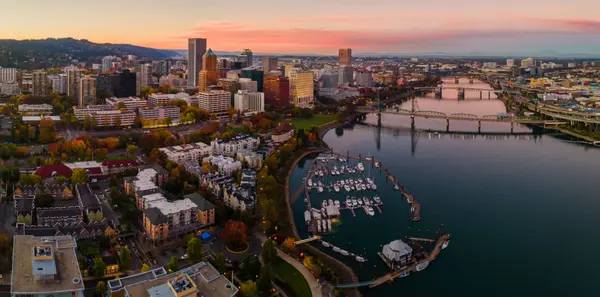

Is Portland, Oregon LGBTQ-Friendly? What You Need to Know Before You Move
You're thinking about moving to Portland, and the question you're really asking isn't just about weather or home prices. It's: Will I feel safe here? Will my family be seen and accepted? Will this place actually feel like home? Those are the right questions to ask — and they deserve real answers, not just a vague reputation for being progressive.
Here's what the data says, what the law says, and what life on the ground actually looks like in a city where LGBTQ-friendly Portland isn't just a marketing phrase — it's a measurable, lived reality. This guide is designed as a practical LGBTQ relocation resource for Portland, covering everything from demographics and legal protections to specific neighborhoods and the homebuying process.
How LGBTQ-Friendly Is Portland? The Numbers
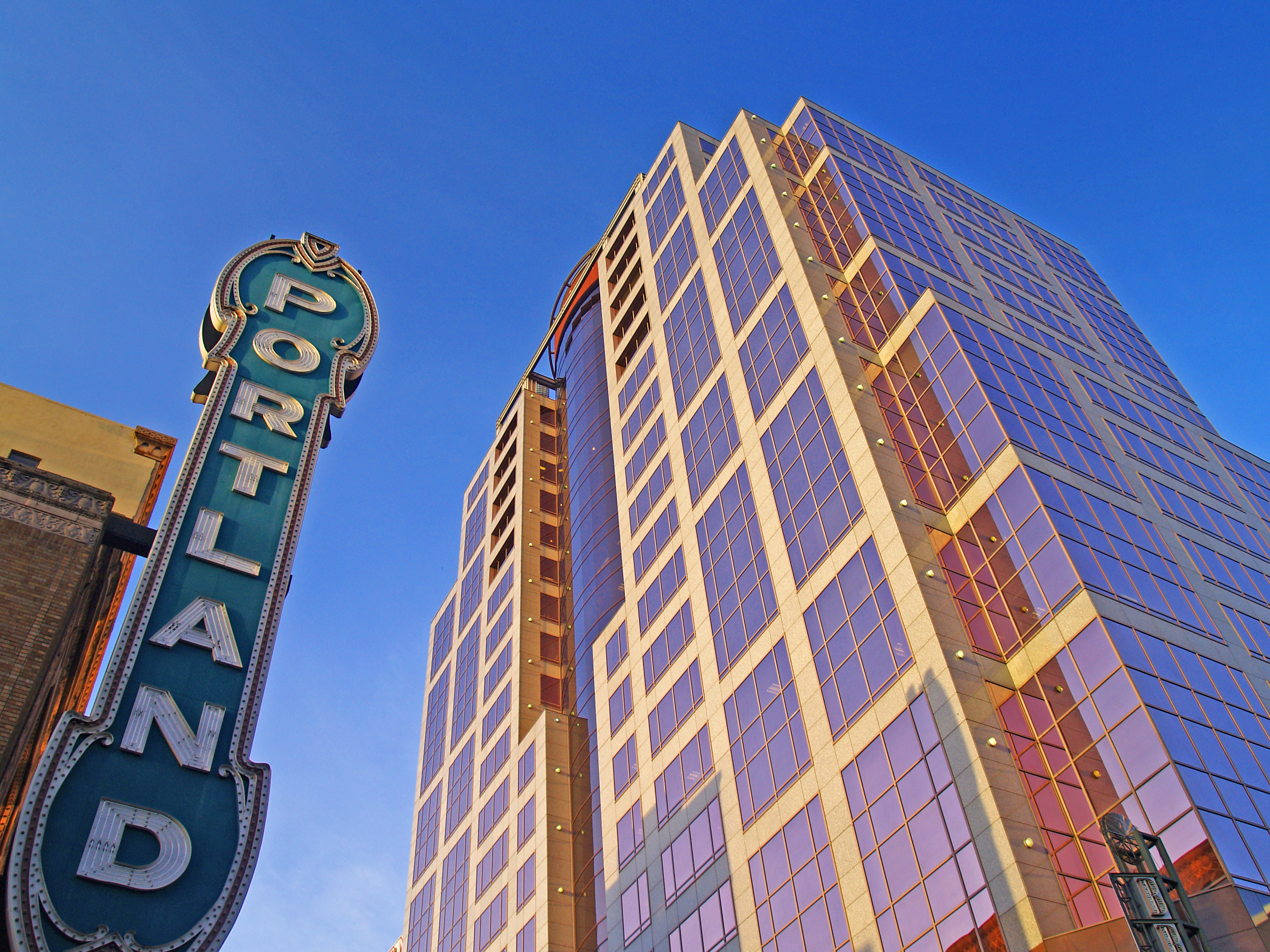
The short answer: Portland ranks among the top two or three most LGBTQ-friendly cities in the United States by virtually every measure — population share, legal protections, and community infrastructure.
According to the UCLA Williams Institute, the Portland-Vancouver-Hillsboro metro area is home to approximately 112,000 adults who identify as LGBT — about 6% of the adult population, ranking it #2 among major U.S. metros by percentage. That isn't a cultural quirk. That's critical mass. It means queer community isn't concentrated in one pocket of the city — it's woven into neighborhoods, workplaces, schools, and civic life across the region.
Zoom out to the state level and the picture is even more striking. Oregon ranks #1 among all U.S. states for LGBTQ adult population by percentage, with roughly 7.8% of Oregon adults — approximately 253,300 people — identifying as LGBTQ, according to the same Williams Institute research. That's not an accident of geography. It reflects decades of legal protection, cultural openness, and intentional community-building.
ConsumerAffairs ranks Portland 3rd most LGBTQ-friendly city in the United States, with a score of 97.4 out of 100, accounting for legal protections, healthcare access, community resources, and livability factors. Whether you're moving as an individual, as a couple, or as a family, Portland consistently appears at the top of these rankings for good reason.
Oregon's Legal Protections: What Actually Has Your Back
Feeling welcome is one thing. Legal protection is another. Oregon has some of the strongest LGBTQ civil rights statutes in the country — and they operate independently of whatever is happening at the federal level. This is one of the most important things to understand if you're considering a move to a gay-friendly Portland, Oregon environment.
The Oregon Equality Act (House Bill 2002) was signed into law in 2007 and took effect January 1, 2008. It established comprehensive state-level protections across housing, employment, and public accommodations — and it explicitly includes sexual orientation and gender identity.
- ORS 659A.421 prohibits discrimination in housing based on sexual orientation and gender identity — covering sales, rentals, and financing. If you're buying a home in Portland, Oregon law protects you at every step of that transaction.
- ORS 659A.400 bans discrimination in public accommodations — restaurants, hotels, medical offices, retail businesses — based on sexual orientation and gender identity.
- Employment protections are embedded in the same statute, covering virtually all Oregon employers.
- These protections are enforced by the Oregon Bureau of Labor and Industries (BOLI), which has an active fair housing and civil rights division.
Beyond the Oregon Equality Act, the state has taken additional legislative steps that matter for LGBTQ residents and families:
- Conversion therapy for minors is banned (2015)
- The "gay/trans panic" legal defense was abolished (2022) — meaning it cannot be used to justify violence against LGBTQ people in Oregon courts
- Oregon requires LGBTQ-inclusive curricular standards in public schools, making it one of the more explicitly trans-friendly Portland-area environments for families with children
A Note on Federal Policy Changes
It's worth addressing something directly, because you may have seen news coverage about it. In 2025, the Trump administration's HUD proposed rolling back the Equal Access Rule — a federal policy governing non-discrimination in federally funded shelters. That is a real development, and it matters in certain federal contexts.
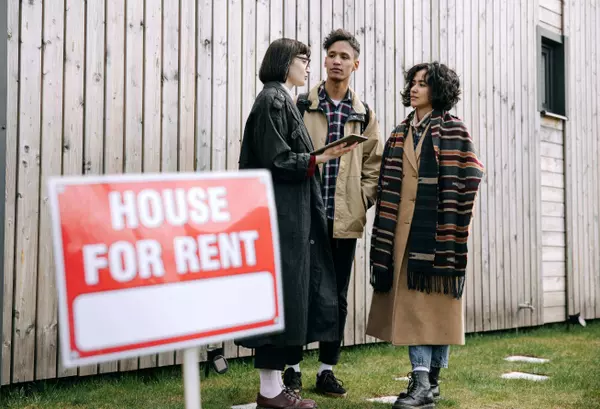
But here's what that does not affect: your rights as an LGBTQ homebuyer or renter in Oregon. Oregon's state protections under ORS 659A are fully in force independent of federal policy. When you buy a home in Portland, you are protected by Oregon law — full stop. Federal rollbacks don't override state civil rights statutes, and Oregon has shown no indication of weakening its own protections. I want you to have this information clearly — not to alarm you, but because you deserve to make decisions based on accurate facts.
LGBTQ-Friendly Neighborhoods in Portland
Portland doesn't have a single "gayborhood" — it has several distinct nodes of queer community, each with its own character. The following is an honest, factual overview of where LGBTQ community infrastructure and cultural presence are most concentrated across the city.
Old Town / Burnside Triangle
The historic center of Portland's queer nightlife sits near NW 3rd Avenue and W Burnside/SW Stark. This is where you'll find Darcelle XV, Portland's oldest drag venue, operating since approximately 1967 — it recently navigated a closure and reopened under new ownership, and it remains active in 2026. Also in this corridor: CC Slaughters and Stag PDX. The city is also investing in the physical streetscape here: the Pride Plaza and Darcelle XV Public Street Plazas near SW 9th and Harvey Milk Street are currently under construction and expected to complete in late summer 2026, featuring permanent pride artwork woven into public space.
Inner Southeast Portland
The inner SE corridor — roughly SE 12th to 30th along Stark and Belmont — has long had a strong queer-friendly neighborhood presence. The stretch of SE Division from 30th to 50th has been nicknamed "Queer Division" by locals. Venues like The Nest, Doc Marie's on Hawthorne, and the lesbian-owned Crush Bar anchor this community. This area also offers some of Portland's most walkable, residential blocks with excellent access to cafes, restaurants, and independent shops. My Eastside Portland neighborhood guide goes deeper on what daily life looks like across these blocks.
Alberta Arts District
Northeast Portland's Alberta Street is home to the Q Center — Portland's full-service LGBTQ community center, offering support groups, health resources, and a full community events calendar. The surrounding Alberta Arts District is known for queer-friendly galleries, boutiques, and one of the most creatively charged streets in the city. It's also one of the more accessible entry points into Portland homeownership compared to inner SE or Northwest neighborhoods.
Mississippi Avenue
North Portland's Mississippi Avenue corridor has developed a quieter but genuine queer presence, with bars and coffee shops — including Local/Lokal — that attract a diverse, LGBTQ-inclusive crowd. It has more of a neighborhood-everyday feel than a nightlife destination, which makes it appealing for people who want community without the bar-district intensity.
The LGBTQ Community in Portland: Pride, Events, and Everyday Life
One useful test of a city's LGBTQ culture isn't just its bars and legal code — it's what happens across the calendar year, in community spaces and public life.
Portland Pride 2026 takes place July 18–19 at Tom McCall Waterfront Park, with the Pride Parade on Sunday, July 19 at 11am, stepping off from the North Park Blocks. This year's theme is "Made with Pride" — celebrating LGBTQ entrepreneurship and creativity while honoring Pride's roots as protest. Attendance typically exceeds 60,000 people. It's a genuinely diverse, multigenerational event — not just a party, but a civic gathering that reflects how embedded LGBTQ identity is in Portland's public life.
Beyond Pride weekend, Portland has a robust infrastructure of community organizations:
- Q Center (NE Alberta St) — Portland's primary LGBTQ community center, with support groups, wellness resources, and a full events calendar
- PFLAG Portland — family support groups for LGBTQ people and their loved ones
- SMYRC — support and programming for LGBTQ youth ages 13–23
- Oregon Family Support Network (OFSN) — family-centered LGBTQ resources statewide
This kind of organizational density matters. It means that whether you're a queer teenager who just moved here, a parent looking for a support group, or an adult navigating a health question, there are actual resources — not just good intentions.
LGBTQ Families in Portland
Portland is one of the more genuinely family-forward LGBTQ cities in the country, and that shows up in concrete ways beyond rainbow flags on storefronts.
Oregon's school system requires LGBTQ-inclusive curricular content, which means your kids are more likely to see their family structure reflected in classroom learning — not treated as exceptional or invisible. Portland-area school districts vary in their implementation and culture, so if you're moving with children, I'd encourage you to read my Portland school districts guide alongside this one — they're designed to work together.
Pediatric practices, family therapists, and reproductive health providers in Portland broadly reflect the city's inclusive culture. LGBTQ-competent medical care is not difficult to find here. And the general social fabric of Portland — in parks, at farmers markets, in schools — tends toward low-key acceptance rather than performative tolerance. As an agent who works with a lot of families relocating here, I hear this consistently: people are pleasantly surprised by how unremarkable their family is treated. That's the goal.
For more on what day-to-day life looks like for families in Portland, my post on what daily life looks like in Portland covers parks, farmers markets, childcare, and commutes in detail.
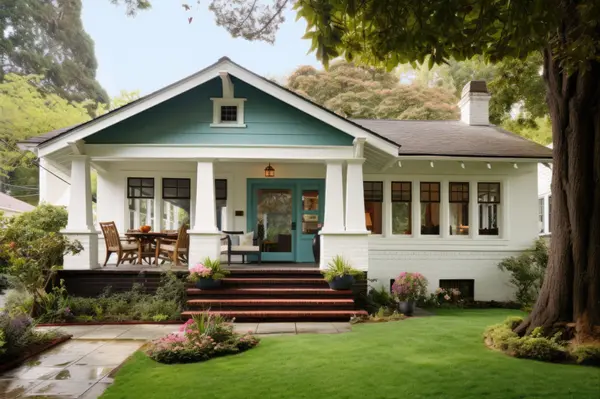
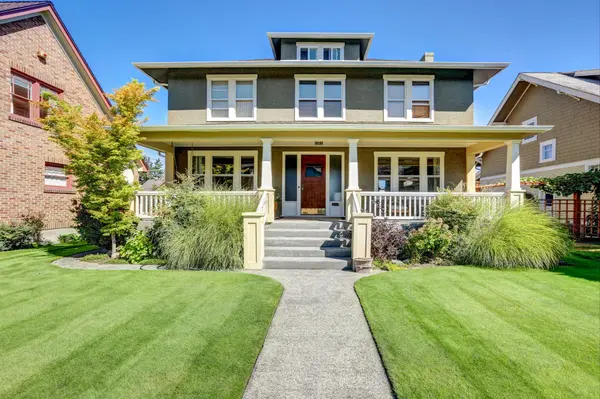
Buying a Home in Portland as an LGBTQ Buyer
If you're ready to move from "would we feel welcome" to "can we actually buy here" — that's where I spend most of my professional time, and I want to be direct with you about how this works.
Under ORS 659A.421, LGBTQ+ couples have equal rights to jointly purchase and own property in Oregon, identical to any other couple. The entire real estate transaction — from listing appointments and mortgage applications to title and closing — is governed by Oregon's fair housing law. Discrimination in any of those steps is illegal and enforceable through Oregon BOLI.
As noted earlier, federal rollbacks to HUD policies do not affect Oregon's homebuying protections. Oregon's state law stands independently, and BOLI enforces fair housing complaints at the state level.
If you're a first-time buyer, the Queer Social Club hosts first-time homebuyer events in Portland — a community-centered resource specifically designed to help LGBTQ buyers navigate the process with knowledgeable, affirming guidance.
My complete Portland home-buying guide for families walks through the full process in detail. And if you want a clear-eyed look at which parts of the city might be the right fit for where you want to live and what you want to be close to, my Portland neighborhood safety guide is a good companion read. I'm always happy to have a direct conversation about your specific situation — every family's priorities are a little different, and that's exactly the kind of conversation I find most useful.
What I'd Tell You
I moved to Portland from Seattle a couple of years ago, and I've been paying close attention to this city ever since — both as a resident and as an agent. What I can tell you from that vantage point is this: Portland's LGBTQ friendliness isn't primarily a vibe. It's structural. It's in the law, in the demographics, in the organizations that have been doing this work for decades, and in the physical infrastructure of the city — including a Pride Plaza currently being built into the public streetscape.
That doesn't mean Portland is perfect. No city is. There are neighborhoods that feel more or less affirming, school districts that vary in how they implement inclusive policies, and a housing market with its own complexities. What I try to do, as an agent who genuinely cares about this community, is give you the honest and complete picture — not just the talking points.
If you're working through an LGBTQ relocation to Portland and want to talk through what neighborhood might fit your life, what the homebuying process looks like for your family, or just what the city actually feels like on a Tuesday afternoon — I'm here for that conversation. Reach out directly, or browse the KD Real Estate blog for more on what Portland living looks like across different neighborhoods and life stages.
Frequently Asked Questions
Is Portland in the top 5 LGBTQ-friendly cities in the U.S.?
Yes. Portland ranks 3rd most LGBTQ-friendly city nationally according to ConsumerAffairs (score: 97.4 out of 100), and the Portland metro ranks #2 among major U.S. metros by percentage of LGBT-identifying adults, per the UCLA Williams Institute.
What legal protections do LGBTQ people have in Oregon?
Oregon's Equality Act (2007, effective 2008) provides comprehensive protections in housing, employment, and public accommodations based on sexual orientation and gender identity. Conversion therapy for minors is banned, and the "gay/trans panic" defense was abolished in 2022. These are state-level protections enforced by Oregon BOLI and are not affected by federal policy changes.
Are LGBTQ families welcome in Portland schools?
Oregon requires LGBTQ-inclusive curricular standards in public schools, and Portland-area districts broadly reflect the city's inclusive values. Individual school cultures do vary — my Portland school districts guide gives a more detailed breakdown by district.
Does the federal rollback of HUD's Equal Access Rule affect LGBTQ homebuyers in Oregon?
No — not for homebuying. The proposed federal rollback pertains to non-discrimination rules in federally funded shelters, not to state-law homebuying protections. Oregon's ORS 659A.421 fully protects LGBTQ buyers in all real estate transactions, independent of federal policy.
Where are the most LGBTQ-friendly neighborhoods in Portland?
Portland has multiple distinct queer communities rather than a single gayborhood. Old Town/Burnside Triangle has the most concentrated nightlife. Inner SE (the Stark/Belmont corridor and "Queer Division" on SE Division) is popular for its walkable, residential character. The Alberta Arts District offers community infrastructure through the Q Center. See my Eastside Portland neighborhood guide for more detail on the SE side of the city.
Sources
- UCLA Williams Institute — LGBT Population Rankings, Major U.S. Metro Areas
- UCLA Williams Institute — LGBT Adult Population by State (December 2023)
- ConsumerAffairs — Most LGBTQ-Friendly Cities in the U.S.
- Oregon Bureau of Labor and Industries — Fair Housing and Civil Rights
- Portland Pride — Official Site
- PFLAG Portland
- Queer Social Club — First-Time Homebuyer Class, Portland
Categories
Recent Posts