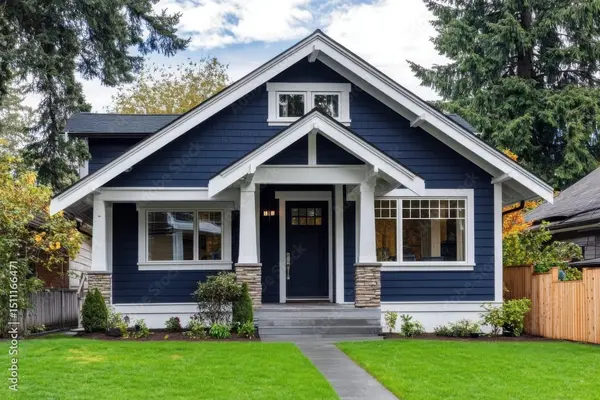

Portland vs. Suburbs for Families: Which Is Better?
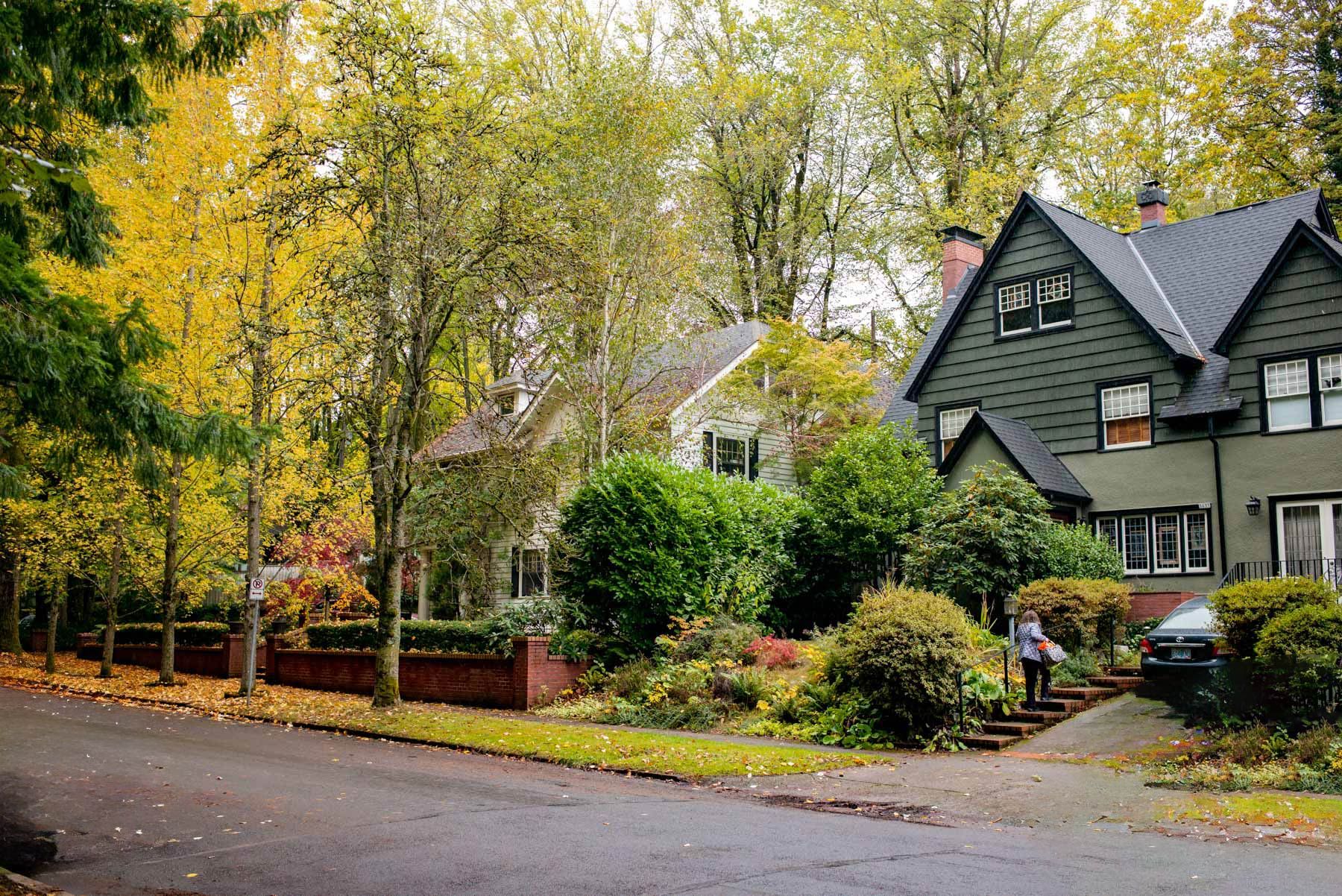
When families relocate to the Portland metro area, one of the biggest decisions isn’t just which house to buy, but where to live overall. The choice usually boils down to Portland proper versus the surrounding suburbs. I work with families facing this decision every year, and there’s no one-size-fits-all answer. What works best depends on how your family actually lives day to day, not just how a home looks online.
This guide compares living in Portland versus the suburbs using real market data—home prices, price per square foot, housing age, and commute realities—to help families figure out which environment fits their priorities.
The Core Tradeoff: Location vs. Space
The biggest difference between Portland and the suburbs comes down to what you’re paying for. In Portland, families usually pay more for location, walkability, and shorter commutes. In the suburbs, they often accept longer drives in exchange for more space and newer homes at a lower price per square foot.
Knowing that tradeoff upfront can save a lot of headaches later.
Living in Portland as a Family
Portland tends to attract families who value proximity and daily convenience. As of November 2025, the median sale price for a home in Portland is about $515,000, with a median price per square foot around $313. Much of the housing is older, built around 1947 on average, so you’ll find more character but fewer modern layouts.
Commutes within Portland are usually shorter and more predictable. Peak commute times to downtown often fall between 25 and 30 minutes, depending on your neighborhood and work location. For many families, saving that time makes a big difference in daily life.
Portland living suits families who appreciate walkable neighborhoods and access to parks, libraries, and local amenities. Homes tend to be smaller with older systems, so ongoing maintenance is something to expect.
Living in the Suburbs as a Family
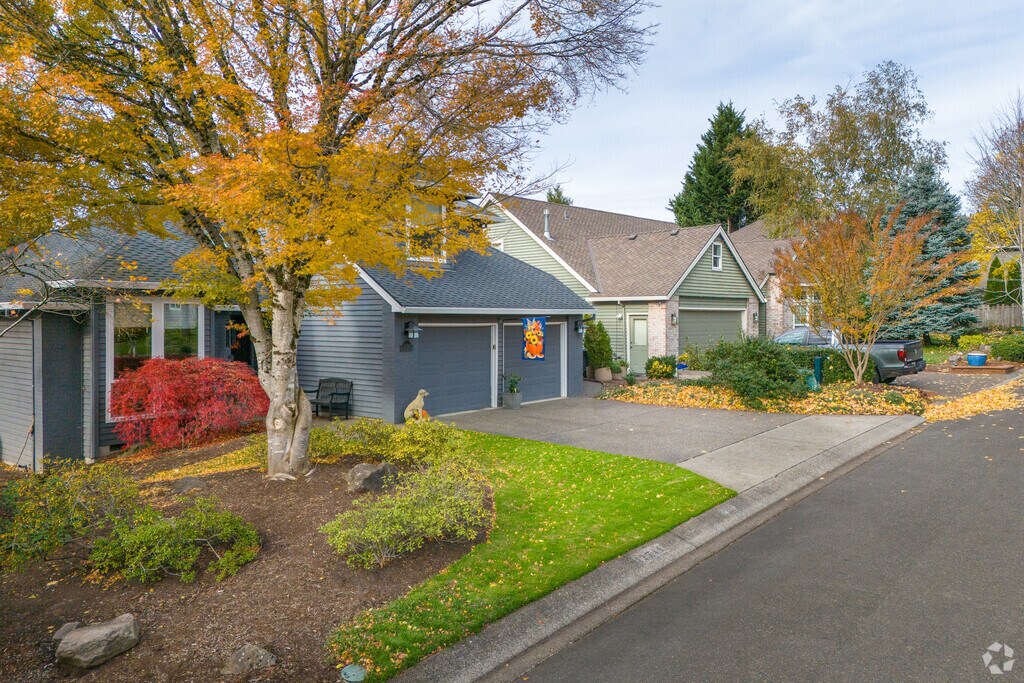
Suburban life offers a different set of advantages. Places like Lake Oswego, West Linn, and Happy Valley generally offer larger homes, newer construction, and more interior space. That extra room usually comes with longer commutes and increased reliance on driving.
Lake Oswego sits at the higher end of the suburban market, with a median sale price around $900,000 and a median price per square foot near $477—about 52 percent higher than Portland’s. Homes there tend to be newer, built around the 1970s, with peak commutes typically ranging from 30 to 40 minutes.
West Linn offers more space at a lower price per square foot. Median sale prices hover around $748,000, with a median price per square foot near $302, similar to Portland but with larger homes and lots. Commuting usually takes 35 to 45 minutes during peak hours.
Happy Valley appeals to families seeking newer homes and value. Median sale prices are about $666,000, with a median price per square foot near $271—roughly 13 percent less than Portland. Homes here are generally newer, often built in the 2000s, but peak commutes can stretch from 40 to 50 minutes.
Suburban living works best for families who prioritize space, modern systems, and long-term ownership while accepting longer drives and less walkability.
Commute Reality and Time Costs

Commute time is often underestimated. Portland commutes average around 25 to 30 minutes, but suburban commutes can be significantly longer during peak hours. Recently, Portland-area commuters lost an average of 72 hours per year to congestion, making commute direction and timing especially important.
Hybrid and remote work have made suburban living more feasible for some families, but households with daily commuters should think carefully about how travel time affects schedules, childcare logistics, and stress levels.
Housing Age and Maintenance Expectations
The age of a home plays a major role in how families experience daily life. Portland’s housing stock is largely older, with many homes built before the mid-20th century. These homes often require phased updates and ongoing maintenance, which suits families comfortable with that reality.
Suburban homes, especially in places like Happy Valley, tend to be newer and more uniform. That often means fewer immediate repairs but less architectural variety and character.
Neither option is better, but expectations need to match reality.
Long-Term Flexibility and Resale Considerations
How long you plan to stay matters. Families planning shorter stays often benefit from Portland’s strong demand for close-in neighborhoods, which can support resale even in slower markets. Families planning long-term ownership may prefer suburban layouts that grow with them over time.
Thinking about whether this is a five-year home or a long-term one often clarifies the decision quickly.
Common Mistakes Families Make
One common mistake is assuming one option is universally better. Some families choose the suburbs without fully considering commute impact. Others choose Portland without understanding how older homes affect maintenance and budgeting.
The most successful moves happen when families align expectations with lifestyle realities before buying.
So, Which Is Better for Your Family?
Instead of asking whether Portland or the suburbs is better, it helps to ask more specific questions.
- Do you value walkability or space?
- How often do you commute, and in which direction?
- Are you comfortable with an older home, or do you prefer newer construction?
- Is this a short-term move or a long-term one?
Your answers usually point clearly toward either Portland or the suburbs.
Frequently Asked Questions
Is Portland or the suburbs better for families with kids?
Both can work well. The better fit depends on lifestyle priorities, commute needs, and comfort with housing age and density.
Are homes in Portland generally smaller than in the suburbs?
Often, yes. Portland homes tend to prioritize location over square footage, while suburban homes typically offer more interior space.
Do families need cars if they live in Portland?
Most families still own at least one car, though some close-in neighborhoods reduce daily driving.
Final Thoughts for Families Deciding Where to Live
Portland and its suburbs both offer strong options for families, but they support different ways of living. Clarity comes from understanding how you want daily life to feel, not just how a home looks on paper.
If you’re relocating and weighing Portland versus the suburbs, I’m happy to help you sort through priorities and compare options using real data and realistic expectations. Give me a call at 971-443-1770 and we can talk about your specific situation.
Categories
Recent Posts