
Ultimate Guide to Moving to Portland with a Family: Neighborhoods, Costs, and What to Expect
Moving to a new city with a family is about far more than finding the right house. It’s about choosing a place where daily life works—commutes are manageable, neighborhoods feel livable, and long-term plans still make sense five or ten years down the road.
I work with families relocating to Portland every year, and while the city offers a high quality of life, it’s not a perfect fit for everyone. Portland works especially well for families who value location, access to nature, and community over brand-new housing and sprawling developments. This guide provides a clear, realistic look at what it’s actually like to move to Portland with a family, using current data to help you understand costs, housing realities, neighborhood options, and common mistakes to avoid.
Is Portland a Good Place to Raise a Family?
For many families, Portland offers strong lifestyle advantages. Access to parks, rivers, trails, and neighborhood amenities plays a big role in daily life. Many family-friendly neighborhoods are walkable, bikeable, and community-oriented in ways that feel increasingly rare in larger metro areas.
That said, Portland tends to work best for families who are comfortable with tradeoffs. Housing is older, homes are often smaller, and value is closely tied to location rather than square footage. Families who expect newer construction, large master-planned communities, or uniform housing styles sometimes struggle to adjust.
The Cost of Living Reality for Families in Portland
Portland is more expensive than many families expect. The overall cost of living in Portland is about 16 percent higher than the national average, with housing being the largest driver. As of late 2025, the median home sale price is around $515,000, setting the baseline for most relocation decisions.
Childcare is another major expense. Full-time infant childcare costs in Portland can be about $2,600 or more per month, placing Oregon among the most expensive states in the country for early childcare. For families with multiple young children, this alone can significantly shape housing and budget decisions.
Utilities are also worth budgeting carefully. A typical family can expect to spend around $341 per month on combined electricity, gas, and water costs. While Oregon’s lack of sales tax helps offset some expenses, higher state income taxes and housing costs require thoughtful planning.
Understanding Portland’s Housing Stock
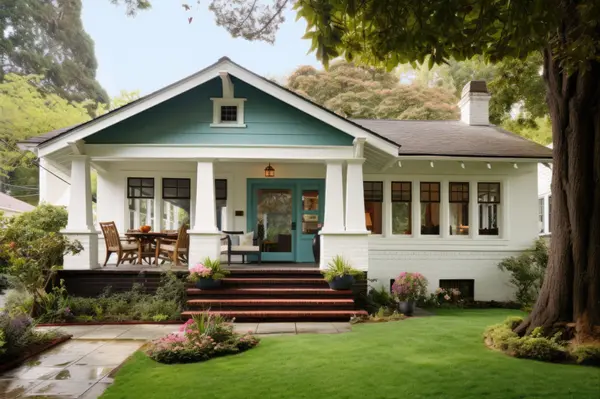
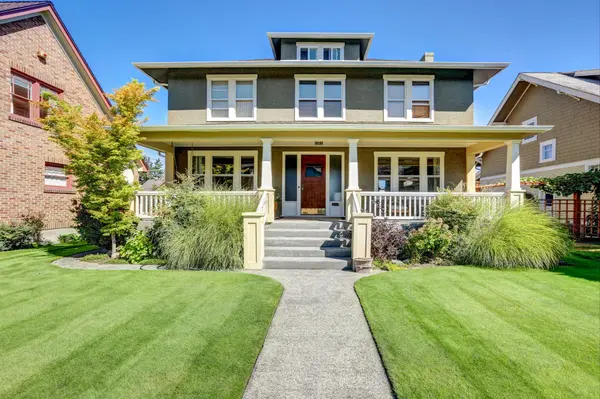
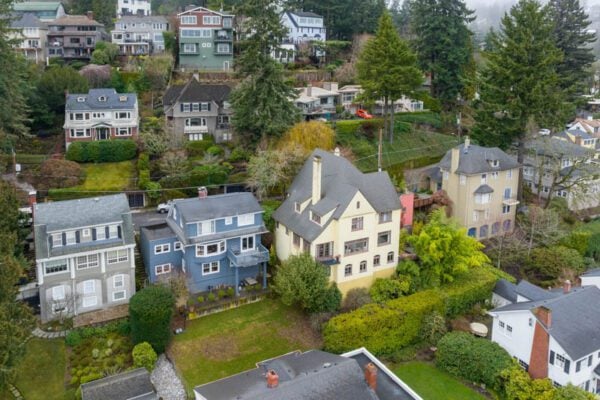
One of the biggest adjustments for relocating families is Portland’s housing stock. Many family-friendly neighborhoods consist of homes built in the early to mid-20th century. The median year built is around 1947, which means the average home is roughly 78 years old. These homes often offer solid construction and architectural character, but they may lack modern layouts, large closets, or turnkey finishes.
Portland homes also tend to be smaller than what many families expect. Median home size is estimated at around 1,800-1,900 square feet, reinforcing that value here is often tied to neighborhood, walkability, and access rather than square footage.
Inspections are common and especially important for families. Understanding which updates are cosmetic versus long-term maintenance items helps avoid surprises and builds confidence in the buying process.
Family-Friendly Neighborhoods by Lifestyle, Not Rankings

Rather than ranking neighborhoods, it’s more useful to match areas to how families actually live. Close-in, walkable neighborhoods like Alameda and Sellwood-Moreland attract families who value proximity, parks, and a strong sense of community. Alameda’s median sale price is around $900,000, with a high price per square foot reflecting demand for location and walkability. Sellwood-Moreland is more accessible at roughly $682,000, and has shown strong year-over-year appreciation driven by lifestyle demand.
Families prioritizing schools, space, and a quieter environment often look to suburbs like West Linn and Lake Oswego. West Linn’s median price sits around $748,000, offering more square footage at a lower price per square foot than close-in Portland neighborhoods. Lake Oswego also sits near $900,000, reflecting its established reputation, school options, and proximity to Portland.
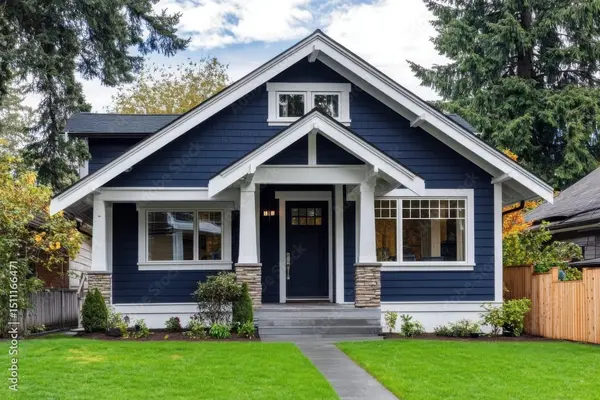
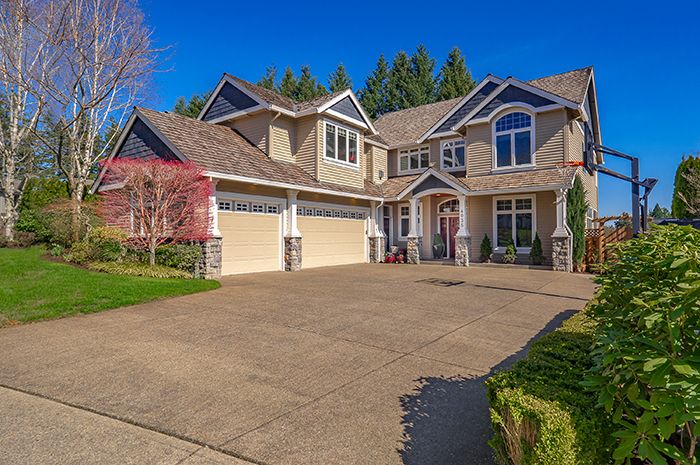
Families seeking newer homes and value per square foot frequently consider Happy Valley, where the median sale price is approximately $666,000 and price per square foot is among the lowest in the metro area. The tradeoff is longer commutes and a more car-dependent lifestyle.
Commutes, Daily Life, and Logistics
Commute reality matters more than many families expect. Portland’s rivers, bridges, and highway patterns mean that commute times vary significantly depending on direction and time of day. A home that looks close on a map can feel far during peak traffic.
Hybrid work has made some longer commutes more manageable, but families commuting daily should prioritize predictability over idealized drive times. Daily routines—school drop-offs, activities, groceries, and park access—often matter more than listing features once you’ve settled in.
How Schools Fit Into the Decision
Schools are an important factor for families, but they are rarely the whole story. I encourage families to research school districts independently and think carefully about how long they plan to stay in a home. Neighborhood stability, resale demand, and lifestyle fit often play just as large a role as school boundaries, especially for families who expect to move again within several years.
Common Mistakes Families Make When Moving to Portland
The most common mistake I see is assuming Portland will feel like other fast-growing metro areas. Families sometimes underestimate the age of homes, over-prioritize school ratings without considering daily life, or stretch budgets expecting appreciation to close the gap. Another frequent issue is choosing a home before fully understanding commute patterns and neighborhood flow.
Families who take time to align expectations with reality tend to feel far more confident in their decision.
Renting First vs Buying Right Away
Some families choose to rent first when relocating, while others prefer to buy immediately.
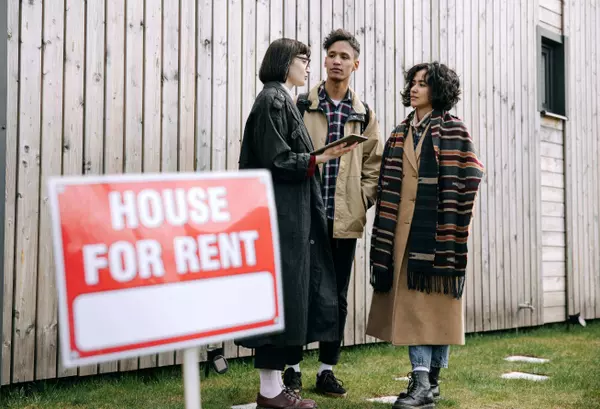
Renting can provide valuable insight into neighborhoods and commute patterns, but it also means moving twice and potentially missing buying opportunities. Buying right away can work well with strong preparation, realistic expectations, and local guidance.
There’s no single right answer—it depends on timing, flexibility, and comfort level.
Frequently Asked Questions About Moving to Portland with a Family
Is Portland family-friendly?
Yes, particularly for families who value access to nature, walkability, and established neighborhoods.
Do families need a car in Portland?
Most families still own at least one car, though some close-in neighborhoods reduce daily driving.
Are Portland homes smaller than in other cities?
Often, yes. Many homes prioritize location and character over size.
Is it better to live in Portland or the suburbs with kids?
That depends on lifestyle priorities, commute needs, and how your family spends time day to day.
Final Thoughts for Families Considering a Move to Portland
Moving to Portland with a family can be a great decision when expectations align with reality. Understanding housing age, costs, childcare expenses, neighborhood dynamics, and daily logistics upfront helps families avoid frustration and make confident choices.
If you’re considering a move and want help comparing neighborhoods and suburbs based on your family’s priorities, I’m happy to talk through it and help you build a plan that actually fits your life. Here is my relocation guide to help guide your process.
Categories
Recent Posts