

Selling an Inherited Fixer-Upper in Portland: Should You Renovate or Sell As-Is?
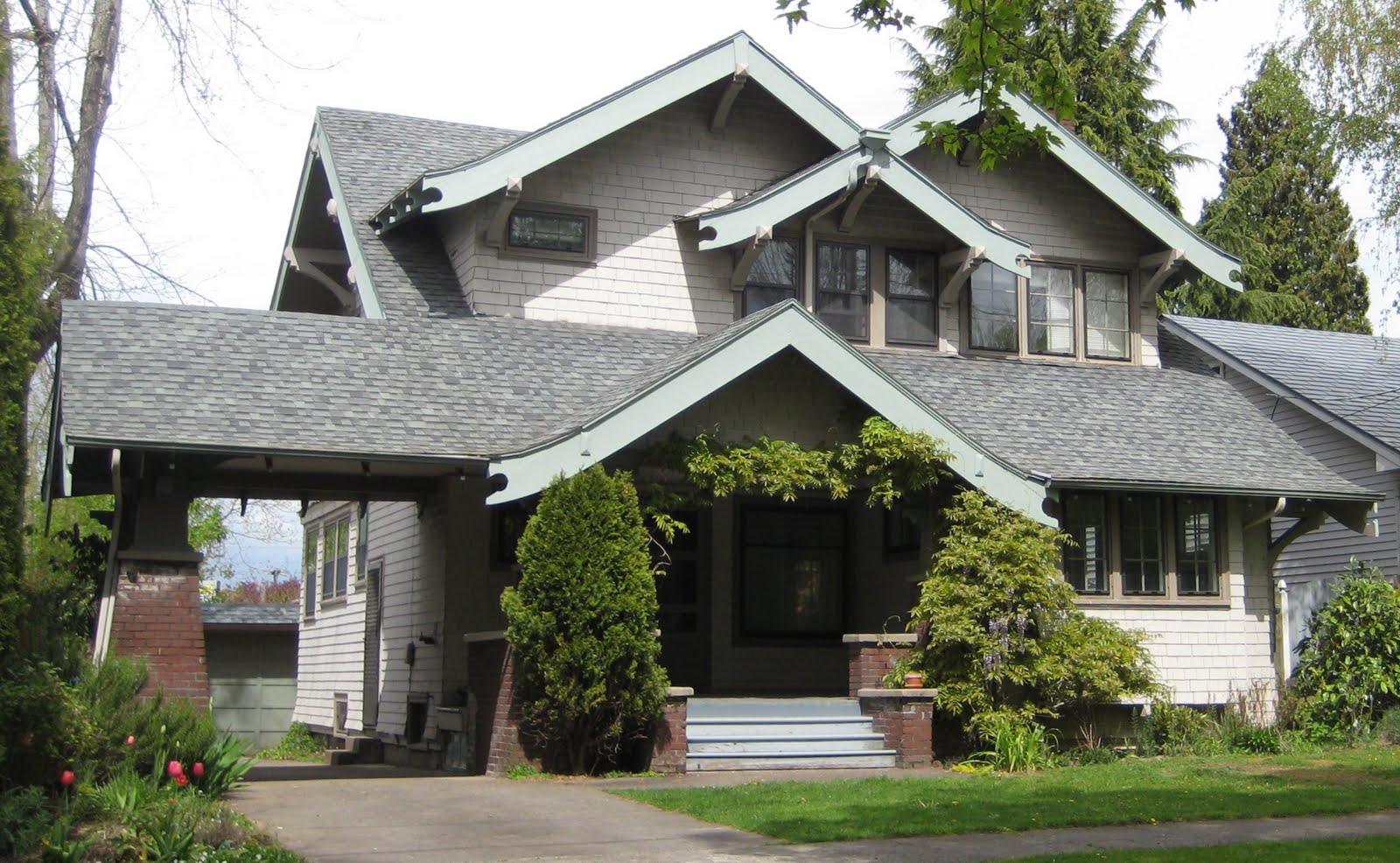
If you’re serving as an executor or personal representative and need to sell an inherited home in Portland, you’re probably facing a tough choice: renovate the property or sell it as-is?
I work with executors all over the Portland metro area, and this question comes up a lot. There’s usually a lot of emotion tied to the home, pressure from probate deadlines, and uncertainty about how much work the property really needs. The good news is that there’s no one-size-fits-all answer. But there is a data-driven way to figure out what makes the most sense for the estate.
Here’s a clear, Portland-specific framework to help you decide whether renovating or selling as-is is smarter for an inherited fixer-upper.
Why This Decision Matters in the Probate Process
When you’re selling a probate property, it’s rarely about just getting the highest sale price. Executors juggle court timelines, legal duties, ongoing costs like utilities and taxes, coordinating with heirs who might live far away, and the emotional weight of a family home. Because of all this, the best choice often balances net proceeds, risk, time, and stress—not just the highest theoretical price.
What Counts as a Fixer-Upper in Portland?

Many inherited homes in Portland qualify as fixer-uppers mainly because of their age. Common issues include outdated kitchens and bathrooms, deferred maintenance, older roofs, plumbing or electrical systems, original windows and insulation, and cosmetic wear that hasn’t been addressed in years.
But fixer-upper doesn’t mean unsellable. Portland buyers often accept dated finishes. What they don’t like is uncertainty about major repairs or hidden costs.
Portland Market Reality: Why Strategy Matters Right Now
Right now, market conditions make this decision even more critical. According to a Portland Metro Housing Market Update from May 2025, the median sale price was about $569,500, up only 2% year over year. Meanwhile, the average days on market increased to 55 days. Inventory also rose to 3.3 months of supply, pointing to a more balanced, buyer-friendly market.
In practical terms, homes that feel uncertain or overpriced tend to sit longer. The market isn’t appreciating fast enough to cover renovation mistakes, and executors holding properties longer often see net proceeds shrink. This environment rewards clear pricing, transparency, and risk reduction.
When Renovating an Inherited Home Might Make Sense
Renovating before selling can be smart in certain probate situations. It’s worth considering if the home’s structure is solid, most issues are cosmetic rather than major, the estate has cash rather than borrowed funds, renovations can be done quickly and predictably, and the neighborhood supports a higher finished value.
In Portland, minor, targeted improvements usually perform best—think paint, flooring, lighting, and modest kitchen or bathroom refreshes. Full remodels, layout changes, or major system replacements often bring more risk than reward. Keep in mind that renovations extend timelines, which matters more than many executors expect.
The Hidden Holding Costs Executors Often Overlook
Renovation costs are just part of the picture. Holding costs quietly chip away at estate value every month the property stays unsold. In Portland, property taxes run about $470 per month, homeowners insurance averages $67, and utilities like electric, gas, water, and internet come to roughly $341 monthly. That adds up to around $878 per month, or over $10,500 a year, before you even consider maintenance or repairs.
If renovations delay the sale by four months, the estate could lose more than $3,500 in holding costs alone—often wiping out much of the perceived benefit of renovating.
When Selling an Inherited Fixer-Upper As-Is Is the Smarter Choice
In many probate cases, selling as-is isn’t just easier—it’s often the financially smarter move. Selling as-is usually makes sense when the home needs major repairs or system upgrades, the estate lacks cash on hand, multiple heirs can’t agree, the executor lives out of state, or speed, certainty, and risk reduction are priorities.
There’s also solid demand for as-is properties in Portland. In 2025, nearly a third of Portland home sales were all-cash, according to ibuyhaus data. Cash buyers were especially active in more affordable East Portland at around 26%. For executors, cash buyers often mean faster closings, fewer contingencies, and comfort with as-is condition—ideal when speed and certainty matter.
Understanding the Price Tradeoff: Renovated vs. As-Is
Selling as-is usually means accepting a price 20-30 percent lower than a fully renovated comparable, reflecting buyer risk and repair costs. The key question is whether the estate can realistically close that 20-30 percent gap after factoring in renovation expenses, holding costs, timeline risks, and the stress of managing the process. Often, the math favors a clean, well-priced as-is sale.
A Simple Decision Framework for Executors
When I advise executors, I focus on four questions:
- What is the home worth today, as-is, in the current Portland market?
- What is the realistic value after renovations—not just the optimistic one?
- What will renovations cost in time, money, and ongoing holding expenses?
- What risks does the estate take on if things run long or go over budget?
If the gap between as-is and renovated value is small, or the risks are high, selling as-is usually leads to a better net result.
Frequently Asked Questions About Selling an Inherited Home in Portland
Do I have to renovate an inherited home before selling it in Oregon?
No. Oregon law doesn’t require renovations before selling a probate property. Homes can be sold as-is, as long as disclosures are handled properly.
Will selling as-is significantly reduce the sale price?
Not always. Once you factor in renovation and holding costs, the net difference is often smaller than you’d think.
Can a probate home be sold before probate is completed?
Sometimes, depending on the estate’s structure. Executors should always check timing with their probate attorney.
What if heirs disagree about renovating versus selling?
That’s common. Selling as-is often provides the fastest, cleanest resolution when consensus is tough.
Thinking About Selling an Inherited Home in Portland?
If you’re an executor feeling overwhelmed, you don’t have to go it alone. I’ve put together a Personal Representative Guide that covers timelines, costs, and common pitfalls, tailored specifically for those navigating probate. Reach out anytime and I'll send it over.
Categories
Recent Posts