
Selling a Probate Home As-Is vs. Listing on the Open Market in Oregon
When you inherit a property in Portland, you're faced with a critical decision that will impact your finances, timeline, and peace of mind. Should you sell the home as-is to expedite the process, or invest time and money into preparing it for the traditional market?
For Portland's families—particularly dual-income professionals balancing careers, young children, and financial goals—this decision becomes even more complex. The data shows you're not alone in weighing these options carefully. Let's break down the facts so you can make an informed choice.
Understanding Your Two Primary Options
Before diving into the comparison, it's essential to understand what each option actually entails and what timeline you can expect.
Option 1: Selling As-Is to an Investor or Cash Buyer
An as-is sale means selling the property in its current condition with no repairs, updates, or staging. The buyer—typically an investor or cash buyer—purchases the home understanding they'll need to handle any necessary work themselves.
Timeline: Typically 7-30 days from offer to closing
Best for: Properties needing significant repairs, executors wanting quick resolution, or families needing to avoid out-of-pocket expenses
Option 2: Listing on the Traditional Open Market
A traditional listing involves preparing the home for market (repairs, cleaning, staging), marketing it to retail buyers, navigating inspections and negotiations, and working through the typical home-buying process with mortgage-dependent buyers.
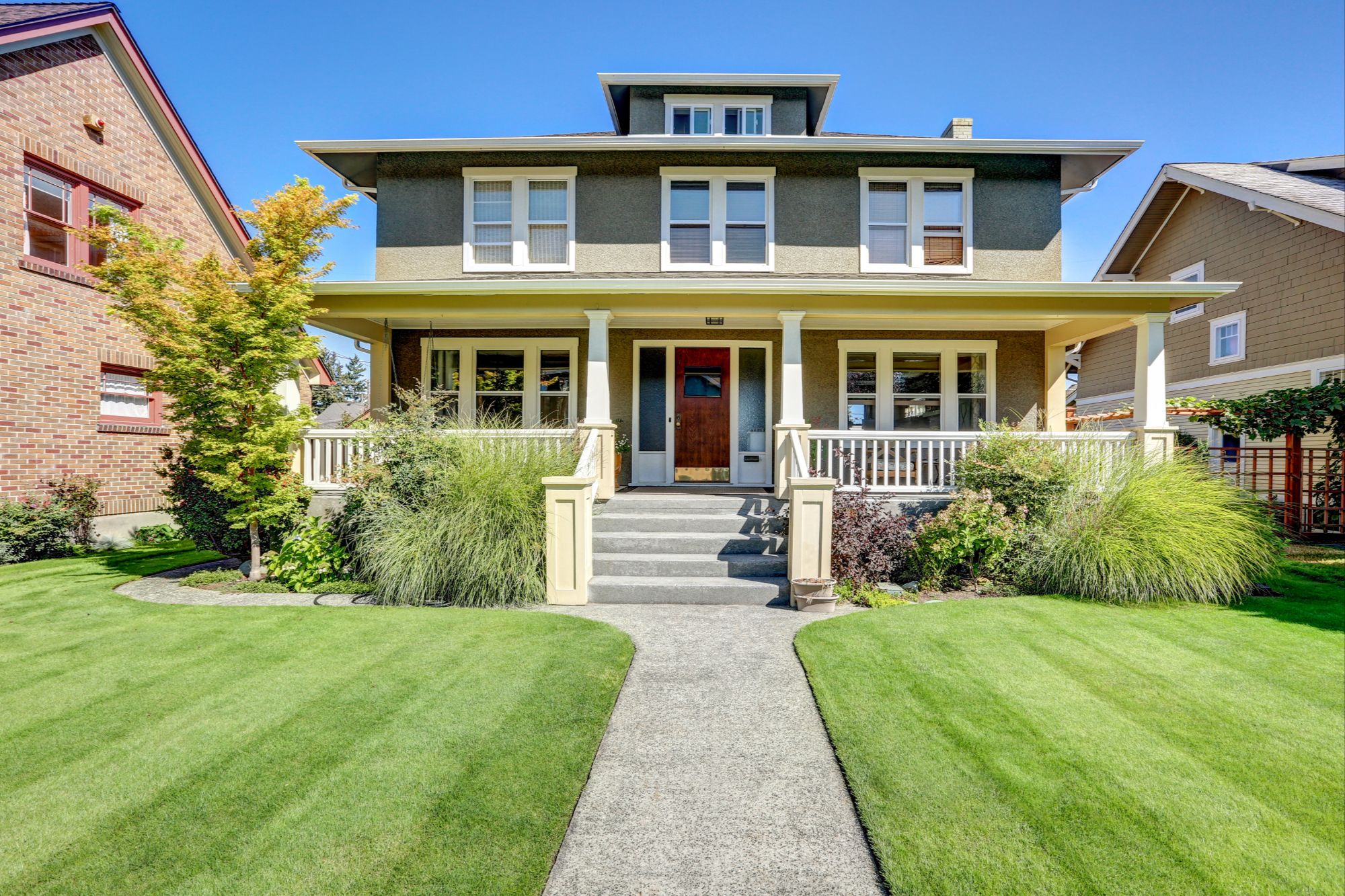
Timeline: In Portland's current market, homes are selling in a median of 42 days, plus 2-4 weeks of prep time and 30-45 days to close. Total timeline: 90-120 days from decision to closing.
Best for: Properties in good condition, executors with time flexibility, or situations where maximizing sale price is the top priority
Side-by-Side Comparison: Key Factors
Let's examine the critical factors that matter most to families making this decision.
|
Factor |
Selling As-Is |
Traditional Listing |
|
Speed to Close |
7-30 days typically |
90-120+ days typically |
|
Upfront Costs |
Minimal to none |
$5,000-$30,000+ for repairs, staging, cleaning |
|
Expected Sale Price |
60-85% of retail value (varies by condition) |
95-105% of market value (if priced correctly) |
|
Holding Costs |
Minimal (1 month or less) |
3-6 months of property taxes, insurance, utilities, maintenance |
|
Deal Certainty |
High - no financing contingencies |
Lower - inspection, appraisal, and financing contingencies |
|
Emotional/Time Burden |
Low - minimal involvement required |
High - showings, negotiations, repairs, ongoing maintenance |
The Real Numbers: Portland Market Context
Understanding Portland's current market conditions is crucial for making an informed decision. Here's what the data tells us as of early 2026:
- Median home sale price in Portland: $500,000 (January 2026, up 3.0% year-over-year)
- Median days on market: 42 days (down 9 days from last year)
- Sale-to-list price ratio: 98.2% (homes selling slightly below list price)
- Homes with price drops: 23.4% (indicating a balanced market)
- Income needed to buy in Portland: $111,252 for a typical home
- Portland metro median family income: $124,100 (family of four, 2025)
- All-cash purchases: 32% of all home sales nationally (highest since 2014)
Understanding Oregon's Probate Timeline
One factor that significantly impacts your decision is the probate timeline itself. In Oregon, a straightforward probate case typically takes 6 to 12 months to complete. Complex or contested estates can take significantly longer.
A critical consideration: Oregon law mandates a 4-month creditor claim period after public notice is issued. You cannot distribute assets to heirs until this period passes and all valid debts are settled. This timeline constraint often makes the speed of an as-is sale particularly attractive to executors who want to resolve the estate efficiently.
When Each Option Makes the Most Sense
The right choice depends on your specific situation, priorities, and the property's condition. Here's guidance for making that determination:
Consider Selling As-Is When:
- The property needs extensive repairs or clean-up: If you're looking at $30,000+ in foundation issues, roof replacement, major systems failures, or structural problems, the cost and time investment often exceed the value you'd recoup.
- You need to close quickly: Probate situations often have time pressures—creditor claims, estate distribution deadlines, or family circumstances that require fast resolution.
- You don't have cash reserves: Preparing a home for market requires upfront capital. If the estate lacks liquid assets or you can't float these costs personally, an as-is sale eliminates this barrier.
- The property is out of state or difficult to access: Managing repairs, contractors, and showings from a distance adds significant complexity and stress.
- You want certainty over maximum price: Cash buyers close with very high reliability. There's value in knowing the deal will actually close versus hoping for a higher offer that might fall through.
Consider a Traditional Listing When:
- The home is in good condition: If the property needs only minor cosmetic updates or is already move-in ready, you'll capture more value through a traditional sale.
- You have time and financial flexibility: If there's no urgency and you can cover holding costs for several months, waiting for the right buyer often pays off.
- Maximizing net proceeds is the priority: When every dollar counts for estate distribution or your own financial goals, the traditional market typically yields higher net proceeds—if the property and timing are right.
- The market is favorable: In Portland's current market, homes are selling in 42 days on average. Well-prepared homes can sell quickly at strong prices, narrowing the timeline gap with as-is sales.
Hidden Costs Often Overlooked in Traditional Sales
Many executors focus on the sale price difference but miss these substantial expenses that erode net proceeds:
- Property maintenance during listing: Lawn care, HVAC system maintenance, winterization, emergency repairs—these add up over months of listing.
- Monthly holding costs: Property taxes (~$460-500/month for a $500,000 home), vacant property insurance (~$350/month), utilities ($200-300)—totaling $1,010-1,150 per month.
- Vacant property insurance premium: Standard homeowner's insurance won't cover vacant properties. Vacant home policies cost more than standard policies.
- Concessions after inspection: Even well-maintained homes can require $5,000-15,000 in post-inspection credits or repairs.
- Opportunity cost: Money tied up in the property can't be invested elsewhere or distributed to beneficiaries.
- Your time: For busy professionals balancing careers and family, the dozens of hours required to manage a traditional sale have real value.
Key Questions to Guide Your Decision
Before deciding, honestly assess your situation by answering these questions:
- What is my timeline? Do I need to close by a specific date or work around the 4-month creditor claim period?
- Do I have extra money available to cover prep costs and 3-6 months of holding expenses?
- What is the property's condition? Minor cosmetic work or major systems repairs?
- How will ongoing ownership affect my stress levels and work-life balance?
- Is the property local or out of state?
- What's my risk tolerance for deals falling through after inspection?
- Would the potential difference in net proceeds materially impact my financial situation or the estate distribution?
Next Steps
If you're navigating this decision with an inherited property in Portland, the smartest first step is to get clarity on your actual options:
- Get a professional property assessment to understand what repairs are truly needed and their estimated costs.
- Obtain comparative market analysis (CMA) from a local Portland agent to understand realistic retail value in today's market.
- Request cash offers from reputable investors to understand your as-is value.
- Calculate total holding costs for your specific property—with vacant property insurance costing more than standard policies and monthly expenses, the carrying costs add up quickly.
With this information in hand, you can make a truly informed decision that balances financial outcomes with your family's needs, timeline, and peace of mind.
Remember: The best decision is the one that serves your overall well-being and financial goals—not just the one that theoretically nets the most money. Both paths can be the right choice depending on your circumstances.
Need help evaluating your options? I'm happy to chat.
We specialize in helping Portland families navigate probate and inherited property decisions with clarity and confidence.
Categories
Recent Posts