
What Portland's Older Homes Don't Tell You (Until You Own One)
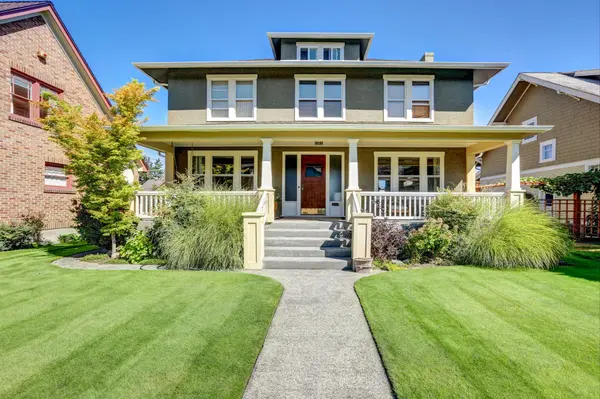
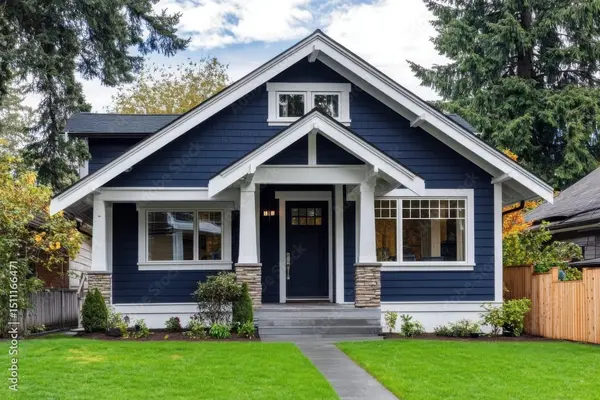
You found it — a 1932 Craftsman bungalow in Woodstock with original hardwood floors, a covered front porch, built-in bookshelves flanking a fireplace, and a backyard big enough for a garden and a dog. It's priced well below the neighbors. The listing photos are doing their job perfectly, and now you're lying awake wondering: what am I not seeing?
That instinct is worth listening to. Not because the house is a trap — plenty of Portland's older homes are genuinely wonderful investments — but because buying older homes in Portland, Oregon means inheriting a specific set of histories that don't always show up in listing descriptions. The charm is real. So are the surprises. The buyers who fare best are the ones who know what questions to ask before they're writing a check.
Portland's eastside neighborhoods — Sellwood, Woodstock, Hawthorne, Alameda, Irvington, Alberta Arts, Eastmoreland — were predominantly built between 1900 and 1950. With a Portland median home value of approximately $588,200 (Census Reporter, 2023 ACS), the city's older housing stock often comes in $50,000–$100,000 below newer construction. That price difference is part of the appeal. Understanding what it sometimes reflects is the whole point of this post.
What follows is a practical walkthrough of the most common hidden issues that come up when buying an older home in Portland — the ones that appear repeatedly in inspections, that affect insurance, and that shape renovation budgets. Some of them are Portland-specific in ways that genuinely surprise buyers relocating from other cities. For a broader overview of the buying process here, the complete Portland home-buying guide for families covers the full picture from financing to closing.
The Portland Context: Why Older Homes Here Are a Category of Their Own
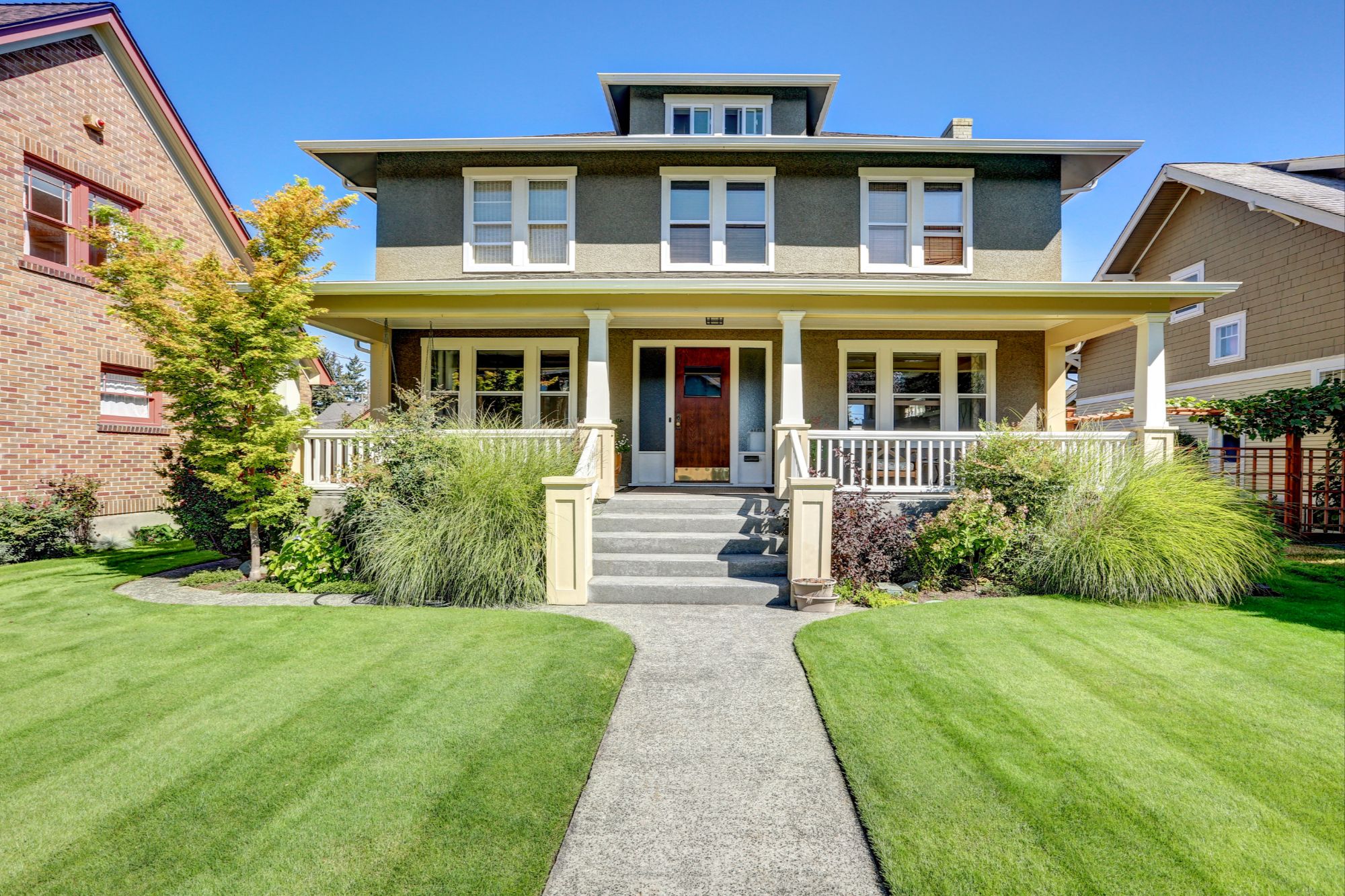
Portland's most desirable Eastside Portland neighborhoods — from Alameda and Irvington in the northeast to Sellwood and Eastmoreland in the southeast — were built in an era before modern electrical codes, city gas lines, updated plumbing standards, and environmental testing requirements. Many of these homes have passed through five, six, seven owners. Each one made decisions — some thoughtful, some frugal, some creative — that layer on top of each other inside the walls, under the floors, and in the backyard soil.
None of this is a reason to avoid older Portland homes. It is a reason to go into them well-informed. The issues below aren't hypotheticals — they're what comes up consistently in Portland home inspections on pre-1960 properties. Knowing about them before you make an offer is far better than finding out after you've waived the inspection.
Underground Oil Tanks: Portland's Hidden Legacy
This one surprises buyers from other cities. Before Portland's neighborhoods converted to natural gas, residential heating ran on fuel oil. Many homes installed underground steel storage tanks — typically 250 to 500 gallons — that were simply abandoned in place when the conversion happened. Decades later, those tanks are still there, quietly rusting beneath thousands of Portland backyards and driveways.
The Oregon DEQ regulates these tanks, and lenders often require proof of clean decommissioning or clear soil tests before approving loans on affected properties. If a tank is found and the soil tests clean, decommissioning typically runs $1,800–$4,000, with full removal costing $4,000–$15,000 depending on excavation requirements. If the soil is contaminated, remediation costs can escalate dramatically — sometimes to $100,000 or more, depending on the scope of the leak.
Portland also requires City Engineer and Fire Marshal permits for tank removal in the right-of-way, in addition to any Oregon DEQ requirements. Before making an offer on any pre-1970 Portland home, ask whether a tank search has been done. If it hasn't, consider making one a condition of your inspection. The Oregon DEQ Heating Oil Tank program page has the regulatory details, and Trusted Home's Portland oil tank guide is a useful plain-language resource.
Knob-and-Tube Wiring: The Insurance Problem Nobody Warns You About
Knob-and-tube (K&T) wiring was the standard electrical system in homes built before roughly 1950. It uses separate hot and neutral wires run through ceramic knobs and tubes — no ground wire, no modern safety features. In Portland's pre-WWII housing stock, it's extremely common.
K&T wiring is not illegal if it's untouched and functioning. But here's what matters practically: most Portland-area insurers will either refuse a standard homeowners policy or add a 30–60% surcharge for a home with active knob-and-tube wiring. Some allow a 30-to-60-day window post-policy inception for removal, but you're on the clock from day one. Failure to disclose K&T can also invalidate insurance claims.
If the wiring needs to be replaced, partial rewiring typically runs $3,000–$6,000; a full home rewire is $8,000–$20,000 or more depending on the home's size and accessibility. That's not necessarily a dealbreaker — it's a line item to budget for and potentially negotiate on. But it needs to be on the table before you're in contract. Smiley Electric's Portland K&T guide and Trusted Home's knob-and-tube resource both walk through the specifics clearly.
Galvanized Plumbing: When the Water Pressure Just Isn't Right
Galvanized steel pipes were the residential plumbing standard through most of the mid-20th century. Over decades, they corrode from the inside — narrowing the pipe's interior, reducing water pressure, and sometimes causing discoloration. In a 1940s Portland home, the galvanized pipes may have been slowly failing for thirty years before you arrived.
Signs include low water pressure throughout the home, rust-tinted water (especially after the system hasn't run for a while), and frequent localized leaks. A good home inspector will flag galvanized pipes and estimate remaining useful life. Full replumbing of a typical home nationally runs in the range of $4,000–$15,000 or more — Portland-specific quotes vary, so get contractor estimates for the specific home. It's worth knowing going in whether the plumbing has already been updated or is still original.
Lead Paint and Asbestos: Present but Manageable
Lead paint is present in most homes built before 1978 — which covers a large portion of Portland's housing stock. Asbestos was commonly used in insulation, floor tiles, pipe wrap, and popcorn ceilings in homes built before 1980. Both of these facts sound alarming. In practice, they're manageable if addressed correctly.
Lead paint that is in good condition and not being disturbed is typically encapsulated rather than removed. Testing runs $300–$600 nationally for a full home assessment; full remediation averages $8,000–$16,000 according to HUD guidelines, though the scope of work varies enormously by condition. Asbestos testing typically runs $200–$500 per site; abatement, when necessary, averages $1,200–$2,800 per room per EPA guidelines. Undisturbed asbestos is generally not an immediate health hazard — the risk comes from disturbance during renovation.
The practical implication: if you're planning significant renovation on a pre-1980 Portland home, budget for testing before you start swinging hammers. A licensed contractor doing renovation work in Portland is required to follow lead and asbestos safe-work practices — which affects both timeline and cost.
Old Sewer Lines: The Inspection Nobody Skips Twice
Pre-1970 Portland homes frequently have clay or Orangeburg pipe sewer laterals — the line that runs from the house to the city main. Clay pipes have a useful life of roughly 50-60 years; Orangeburg pipe (used widely in the 1940s through early 1970s) was engineered for 50 years but often fails much sooner. Neither material handles root intrusion well, and Portland's older tree-lined streets mean there are roots looking for exactly these pipes.
A sewer scope inspection — where a camera is run through the lateral to check condition — costs $100–$360 in Portland depending on whether it's bundled with a home inspection or done standalone. It is one of the most consistently valuable add-ons you can order on an older home. If the lateral has failed or is near failure, sewer line replacement runs $3,000–$30,000 depending on access, depth, length, and method. Alpha Environmental's Portland sewer scope cost guide, C21 North Star's sewer inspection overview, and this Portland sewer scope guide all explain what to expect. Order the scope. Always.
Portland's Home Energy Score: What It Is and What It Means for Buyers
Portland has a requirement that is unique among U.S. cities and consistently catches relocating buyers off guard: since January 1, 2018, most single-family homes, townhomes, and duplexes within Portland city limits must have a Home Energy Score (HES) before they can be publicly listed for sale. The score must appear in all advertisements and be provided to prospective buyers.
The scale runs from 1 to 10. A score of 10 means the home ranks in the top 10% of Portland homes for energy efficiency. A score of 5 is average for Portland. A score of 1 means the home uses more energy than approximately 85% of Portland homes. Sellers who don't comply face a $500 repeating fine.
One important clarification: a low score does not require the seller to make any improvements before selling. The HES is a disclosure requirement, not a performance standard. Its purpose is to help buyers understand a home's energy profile before purchase — so they can factor in likely utility costs and potential future improvements. For buyers looking at pre-1940 homes with minimal insulation, the HES is often a useful signal that there's improvement potential worth budgeting for.
The assessors who produce HES reports are independent certified providers; assessment costs vary, and you can find a list of certified assessors through the Portland Home Energy Score program page. More detail on the seller process is on the Portland HES for home sellers page.
Foundation and Crawl Spaces: The Issues Unique to Portland's Geography
Portland sits on expansive clay soils that swell when wet and contract when dry — a seasonal cycle that stresses foundations differently than the sandy or rocky substrates in many other cities. Hillside lots in neighborhoods like Alameda, Irvington, and parts of Eastmoreland add complexity: older retaining walls, drainage challenges, and in some cases, original concrete foundations that are approaching the end of their useful life.
Many older Portland homes also have unconditioned crawl spaces — uninsulated, often poorly ventilated, and in some cases showing signs of moisture intrusion. This isn't a dealbreaker, but it does affect energy costs, air quality, and long-term structural health if left unaddressed. A thorough home inspection should include the crawl space. If the inspector notes moisture or structural concerns, a structural engineer assessment (typically $400–$700) is worth having before you commit.
Deferred Maintenance: Reading Between the Lines
In older Portland homes, deferred maintenance rarely presents as one obvious problem. It presents as a pattern. A roof that's approaching 25 years. Original windows with failing seals. A furnace that's been serviced faithfully but is in its last years. Exterior paint that's one more winter away from needing replacement. Each of these items is manageable on its own. Together, they can represent $20,000–$40,000 of near-term spending that isn't visible in the listing photos.
Part of what a home inspection does — and part of what I pay close attention to when walking through older homes with clients — is read those patterns. It's not just "what's broken." It's "what's the maintenance trajectory here, and what does that mean for your first three years of ownership?" That question matters as much as the offer price.
What I'd Tell You If We Were Having Coffee
I've walked through a lot of older Portland homes. The ones that become genuinely wonderful purchases share something in common: the buyers went in with eyes open, asked the right questions, and used what they found to either negotiate smartly or walk away when the numbers didn't work.
Here's my honest take on buying older homes in Portland, Oregon: the issues above are not reasons to avoid them. Portland's pre-war housing stock has bones that newer construction often can't match — the quality of the old-growth Douglas fir framing alone is something contractors comment on regularly. These homes are in neighborhoods with walkability, established trees, community character, and proximity to the things people move to Portland for. The price gap relative to newer construction is often real and meaningful.
What I'd tell you to do: order every optional inspection. Get the sewer scope. Ask for the oil tank documentation. Have your inspector specifically note the electrical panel and wiring age. Read the Home Energy Score report carefully. And then do the math — not just on the purchase price, but on what years one through three of ownership actually look like financially.
If you want to think through what an older Portland home might mean for your specific budget, I'm glad to help you run those numbers. Reach out through the KD Real Estate blog or directly through the site. That conversation — the honest one before you fall completely in love — is exactly what I'm here for.
If you're still building your understanding of Portland neighborhoods and what each area actually feels like, the Eastside Portland neighborhood guide is a good complement to this post. And if financing is part of your planning, check out what's available through down payment assistance programs in Portland — there are more options than most buyers realize.
Frequently Asked Questions About Buying Older Homes in Portland
What should I look for in a home inspection of an older Portland home?
At minimum, request a sewer scope, ask the inspector to specifically assess the electrical panel and wiring age, and confirm whether any evidence of an underground oil tank is visible. For pre-1940 homes, consider adding a structural engineer assessment if the crawl space or foundation shows any concerns. A thorough inspection of an older Portland home goes beyond the standard checklist — it should also assess the maintenance trajectory of major systems like the roof, furnace, and windows.
Do I have to fix knob-and-tube wiring before I can get homeowners insurance in Portland?
Most Portland-area insurers will refuse standard coverage or add significant surcharges (typically 30–60% above standard rates) for homes with active knob-and-tube wiring. Some insurers allow a short window post-policy inception for removal. In practice, many buyers treat K&T replacement as part of the purchase negotiation — either asking the seller to address it, adjusting the offer price to account for the rewiring cost, or planning it as a first-year improvement. Get quotes from at least two insurance providers before closing on any older Portland home with unverified wiring.
How do I find out if a Portland house has an underground oil tank?
The best first step is asking the seller for documentation — Oregon DEQ records of a prior tank decommissioning, or a tank search report. If no documentation exists, you can order a tank sweep (a professional scan of the property using ground-penetrating radar or magnetometry) during the inspection period. Many Portland buyers and agents make a tank search a standard part of any offer on a pre-1970 home. The Oregon DEQ Heating Oil Tank FAQ has information on registration and cleanup requirements.
What is Portland's Home Energy Score and does it affect the sale price?
Portland's Home Energy Score is a required disclosure — on a scale of 1 to 10 — of how energy-efficient a home is relative to other Portland homes. It has been required at the time of public listing since January 1, 2018. A score of 5 is average; 10 is the most efficient. Critically, a low score does not require any seller improvements — it is informational only. Whether it affects price depends on the buyer: some buyers factor in anticipated utility costs and energy upgrade costs when making offers; others don't. For buyers interested in energy efficiency, it's a useful data point. Find more information at the Portland Home Energy Score program page.
Are older Portland homes worth buying even with all these issues?
For many buyers, yes — with the right preparation. Portland's pre-war housing stock is concentrated in some of the city's most desirable, walkable, community-oriented neighborhoods. These homes often carry real price advantages relative to newer construction, and their structural quality — particularly the old-growth fir framing common in pre-1940 Portland homes — is something many contractors specifically admire. The key is going in informed: budgeting realistically for the first two to three years of ownership, ordering the right inspections, and negotiating based on what the inspection actually finds. An older Portland home bought with clear eyes can be an excellent long-term investment. One bought on charm alone can be an expensive surprise.
Sources
- Portland Home Energy Score Program — Portland.gov
- Portland HES for Home Sellers — Portland.gov
- Oregon DEQ Heating Oil Tank FAQ
- Underground Oil Tanks in Portland, Oregon — TrustedHome.org
- Tank Decommissioning and Replacement Portland — Alpha Environmental
- Knob-and-Tube Wiring in Portland and Beaverton — Smiley Electric
- Knob-and-Tube Wiring Portland — TrustedHome.org
- How Much Does a Sewer Scope Cost in Portland? — Alpha Environmental
- The Importance of Sewer Scope Inspections — C21 North Star
- Portland Sewer Scope Home Test Guide — RealEstateAgentPDX
- Portland, Oregon Profile — Census Reporter
Categories
Recent Posts