
What Portland Buyers Regret Most After They Move (And How to Avoid It)
You've unpacked the boxes, hung the art, and finally settled into your new Portland home. Then it hits you: the commute to work is soul-crushing. Or the neighborhood you thought would be walkable requires a car for everything. Or the charming 1920s craftsman has plumbing issues that will cost $30,000 to fix.
Buyer's remorse is real, and in Portland's unique housing market, certain regrets come up again and again. The good news? Most of these mistakes are completely avoidable if you know what to watch for before you make an offer.
This guide draws on common patterns from Portland homebuyers—the things people wish they'd known, asked about, or prioritized differently. Whether you're relocating from out of state or moving across town, learn from others' experiences so you can make a decision you'll feel good about for years to come.
Regret #1: Underestimating the Commute
What buyers say: "We looked at the house on a Sunday afternoon and Google Maps said it was a 25-minute drive to my office. Now I'm sitting in bridge traffic for an hour each way during rush hour. I had no idea it would be this bad."
Why This Happens
Portland's bridges are bottlenecks. The Willamette River divides the city, and crossing it during peak hours can add 20-40 minutes to what seems like a short distance. The Sellwood Bridge, Ross Island Bridge, Hawthorne Bridge, Morrison Bridge—all become parking lots at 8am and 5pm.
Many buyers tour homes on weekends or mid-day when traffic is light. They see "15 miles to downtown" and assume that's reasonable. Then reality sets in on Monday morning.
How to Avoid This Regret
- Test the commute during actual rush hour: Drive from the house to your workplace on a Tuesday or Wednesday morning at 8am. Do the same at 5pm heading home. This is non-negotiable.
- Consider public transit realistically: Portland's MAX light rail and bus system are decent, but they're not as comprehensive as major East Coast cities. Check if your commute is actually feasible via transit and test it.
- Factor in remote work changes: If you're currently remote but there's any chance of return-to-office mandates, plan for that possibility. Don't assume remote work is permanent.
- Be honest about bridge crossings: If your commute requires crossing the Willamette River, accept that it will take longer than the distance suggests. Living on the same side of the river as your workplace eliminates this pain point entirely.
Regret #2: Choosing the Wrong Neighborhood for Your Lifestyle
What buyers say: "We bought in a quiet suburban area for the good schools, but we're going stir-crazy. There's nothing walkable, we have to drive everywhere, and we miss the energy of the city." Or conversely: "We bought in a vibrant inner neighborhood for the walkability, but it's so loud at night and there's nowhere for our kids to play. We didn't realize how family-unfriendly it would feel."
Why This Happens
Portland's neighborhoods have dramatically different characters, and it's easy to prioritize the wrong things. Buyers often choose based on schools, price, or house features without deeply considering whether the neighborhood matches their daily life.
A 30-minute neighborhood visit doesn't reveal what it's actually like to live there—the noise levels at night, the lack of parking, the distance to the nearest grocery store, or whether there's any street life and community.
How to Avoid This Regret
- Visit at different times: See the neighborhood on a Saturday morning, a weekday afternoon, and a Friday night. Walk around. Sit at a coffee shop. Notice what's happening and who's around.
- Talk to neighbors: Knock on a few doors or catch people out walking their dogs. Ask what they love and what they wish were different. Most people are happy to share.
- Prioritize your actual lifestyle: Be honest about how you spend your time. Do you actually walk to restaurants regularly, or do you say you want walkability but drive everywhere anyway? Do you need yard space for kids, or is proximity to parks enough?
- Consider life stage: Families with young kids have different needs than empty nesters or young professionals. A hip walkable neighborhood might be perfect for one stage of life but frustrating for another.
- Use Walk Score and crime data: Check the actual Walk Score, Bike Score, and Transit Score for the address. Look at neighborhood-specific crime statistics, not just city-wide averages.
Regret #3: Falling in Love with Charm While Ignoring Old Home Realities
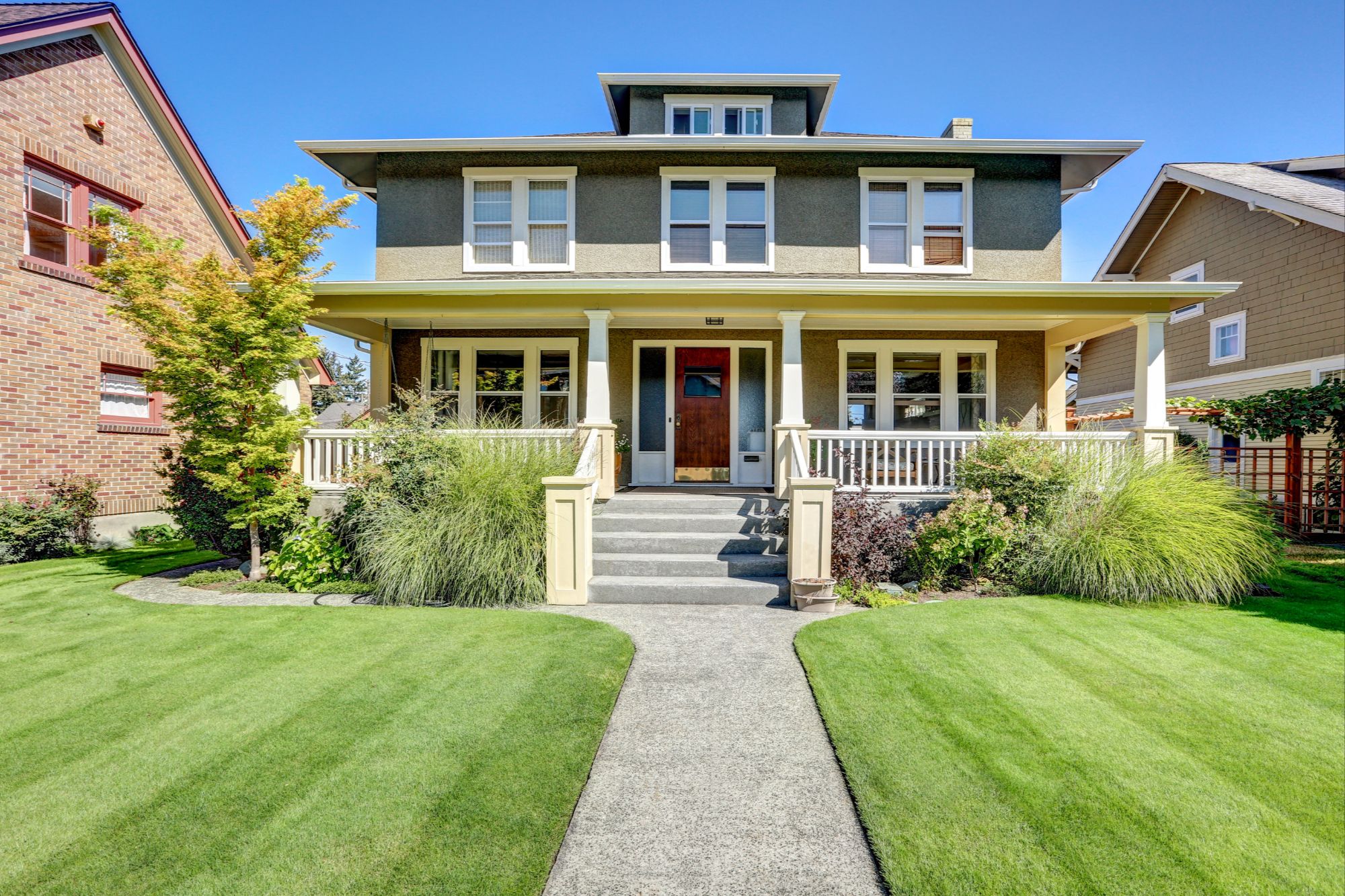
What buyers say: "We bought a beautiful 1912 craftsman with original woodwork and built-ins. It's gorgeous, but we've spent $60,000 in the first two years on electrical upgrades, foundation work, and plumbing. The inspection mentioned these issues, but we didn't really understand what we were signing up for."
Why This Happens
Portland has an abundance of charming older homes—craftsman bungalows, Victorians, and character-filled houses from the early 1900s. These homes have aesthetic appeal that new construction simply can't match. But they also have knob-and-tube wiring, galvanized plumbing, settling foundations, and old roofs.
First-time buyers, in particular, underestimate the cost and complexity of maintaining a 100-year-old home. The inspection report becomes a footnote rather than a serious planning document.
How to Avoid This Regret
- Budget for deferred maintenance: If you're buying a home built before 1960, assume you'll need to spend 1-3% of the home's value annually on repairs and updates. On a $500,000 home, that's $5,000-15,000 per year.
- Get a thorough inspection and actually read it: Hire a quality inspector from a service, attend the inspection in person, and ask questions. Then sit down and go through the report line by line. Get quotes for the major issues so you understand real costs.
- Prioritize major systems: Cosmetic updates are flexible. Electrical, plumbing, foundation, and roof issues are not. If the inspection reveals concerns in these areas, negotiate hard or walk away.
- Consider your DIY capacity: Some people love restoration projects. Most don't. Be honest about whether you have the time, skills, and emotional bandwidth for ongoing repairs.
- Factor in energy efficiency: Older homes often have poor insulation, single-pane windows, and inefficient heating. Your utility bills may be significantly higher than expected. Ask for past utility bills.
Regret #4: Stretching Too Far Financially
What buyers say: "We bought at the absolute top of our budget because we wanted to get into our dream neighborhood. Now we're house-poor. Every unexpected expense—car repair, medical bill, home repair—creates stress. We can't travel, we can't save, and we're constantly anxious about money."
Why This Happens
Portland's housing market is expensive relative to local incomes. The median home price of $500,000 requires a household income of $111,000+ to afford comfortably. For many buyers, this means stretching to the maximum mortgage approval or using every dollar of savings for the down payment.
In competitive markets, FOMO (fear of missing out) drives people to push their budgets further than they should. The lender says you qualify for $600,000, so you buy a $600,000 house—forgetting that lenders don't consider your retirement goals, student loans, or desire to actually enjoy your life.
How to Avoid This Regret
- Use 28% rule as a ceiling, not a target: The standard advice is to spend no more than 28% of your gross monthly income on housing (mortgage, taxes, insurance). Treat this as the absolute maximum, not the goal. Aim for 20-25% if possible.
- Account for all housing costs: Don't just calculate the mortgage payment. Include property taxes (~1.1% annually in Portland), insurance, utilities, HOA fees if applicable, and maintenance (1% of home value annually).
- Keep an emergency fund: Don't drain your savings for a larger down payment if it leaves you with no cushion. Maintain 3-6 months of expenses in liquid savings after closing.
- Consider future income uncertainty: Job loss, career changes, or single-income periods (parental leave, illness) happen. Can you afford the house on one income if needed?
- Remember quality of life: A slightly smaller house in a slightly less prestigious neighborhood that allows you to save, travel, and live without constant financial stress is a better choice than maxing out for square footage or status.
Regret #5: Not Researching School Assignments and Changes
What buyers say: "We bought in this neighborhood specifically for the elementary school rating. Then we found out boundaries changed and we're assigned to a different school now. If we'd known that, we would have bought in a different area."
Why This Happens
School assignments in Portland can be complex, with attendance boundaries that don't always align with neighborhood lines. Families assume their address guarantees admission to a specific school, only to discover they're assigned elsewhere. Additionally, Portland Public Schools has undergone boundary changes and enrollment shifts in recent years.
Online school ratings can be misleading or outdated. And families don't always consider that "good schools" means different things depending on your child's needs—advanced programs, special education services, language immersion, arts focus, etc.
How to Avoid This Regret
- Verify actual school assignment: Contact Portland Public Schools (or the relevant district) directly with the home's address to confirm which schools your kids would attend. Don't rely on third-party websites.
- Visit the schools: Tour the actual schools during the school day if possible. Talk to parents in the pickup line. Attend a PTA meeting. See if the reality matches the ratings.
- Check for upcoming changes: Ask about planned boundary changes, school closures, or program relocations. School districts sometimes announce major changes a year or two in advance.
- Look beyond test scores: Test scores don't tell the whole story. Check GreatSchools.org for parent reviews, but also consider class sizes, teacher retention, enrichment programs, school culture, and whether the school serves your child's specific learning style and needs.
- Consider private school costs: If you're banking on public schools but might consider private options, factor that $15,000-30,000/year cost into your housing budget. You can't afford both the expensive house and private school tuition.
Regret #6: Underestimating Portland's Weather Impact on Daily Life
What buyers say: "We relocated from California and everyone warned us about the rain, but I didn't take it seriously. The 8 months of gray drizzle is really hard. I'm depressed, I miss the sun, and I didn't realize how much the darkness would affect my mood. Also, our house has no south-facing windows and it feels like a cave in winter."
Why This Happens
People visit Portland in summer—when it's absolutely glorious—and make a decision based on June weather. Then they experience November through April: gray skies, constant drizzle, short days, and limited sunlight. Seasonal Affective Disorder (SAD) is common in Portland, and it's not just about rain—it's about the persistent grayness and darkness.
Additionally, homes with poor natural light amplify this challenge. If you're already dealing with gray weather, a dark house makes it worse.
How to Avoid This Regret
- Visit in winter if relocating: If you're moving from out of state, try to visit Portland in January or February. Experience the weather firsthand. Walk around in the drizzle. See if you can handle it.
- Prioritize natural light in your home: Look for south-facing windows, skylights, open floor plans, and rooms with multiple windows. A bright home makes dark winters more bearable.
- Prepare coping strategies: Invest in light therapy lamp, vitamin D supplements, and indoor hobbies. Plan winter travel to sunny destinations if possible.
- Embrace the Pacific Northwest lifestyle: Portlanders don't stay inside all winter—they embrace it with good rain gear and outdoor activities. If you can't get on board with hiking in the rain, Portland winters will be tough.
Regret #7: Skipping the Sewer Scope Inspection
What buyers say: "Six months after moving in, our sewer line collapsed. Tree roots had completely destroyed the pipe. The repair cost $18,000. A $200 sewer scope inspection during the home buying process would have caught this."
Why This Happens
Portland has many older homes with aging sewer lines. Tree roots infiltrate clay pipes, lines sag or crack, and connections to the city main deteriorate. A standard home inspection doesn't include sewer line evaluation—you have to specifically request a sewer scope.
Many buyers skip it to save a couple hundred dollars or because their agent doesn't mention it. Then they face a five-figure surprise expense shortly after closing.
How to Avoid This Regret
- Always get a sewer scope on older homes: For any home built before 1990, a sewer scope should be non-negotiable. It costs $150-300 and can save you tens of thousands.
- Check for large trees near sewer lines: If there are mature trees (especially willows, poplars, or maples) near where the sewer line runs, roots are likely an issue.
- Negotiate repairs or credits: If the sewer scope reveals problems, ask the seller to repair it or provide a credit. Don't just accept it as-is unless you've budgeted for the fix.
- Understand the full cost: Sewer line replacement often requires digging up yards, driveways, or even streets. It's disruptive and expensive. Know what you're potentially facing.
Regret #8: Not Fully Understanding HOA Fees and Rules
What buyers say: "We bought a condo thinking the HOA fees would cover everything. Then we got hit with a $15,000 special assessment for roof replacement. And the monthly fees keep going up—they've increased 30% in three years. We can't afford this."
Why This Happens
Condos and townhomes in Portland often come with HOA fees ranging from $300 to over $1,000/month. Buyers focus on the purchase price and mortgage payment, treating the HOA fee as a minor detail. Then they discover the fees increase annually, special assessments happen, and the HOA has restrictive rules that affect their lifestyle.
Additionally, buyers don't always review the HOA's financial health. An underfunded reserve account means future special assessments are likely.
How to Avoid This Regret
- Review HOA financials carefully: Request the HOA's budget, reserve study, and meeting minutes. Look for adequate reserves (20-30% of the annual budget is healthy), deferred maintenance, and history of special assessments.
- Factor HOA fees into your budget: Treat HOA fees like part of your mortgage payment. A $400/month HOA fee on top of a $3,000 mortgage is really a $3,400/month housing cost.
- Read the CC&Rs and rules: Covenants, Conditions, and Restrictions (CC&Rs) govern what you can and can't do. Some HOAs prohibit pets, restrict rentals, limit renovations, or have other rules that may not fit your lifestyle.
- Ask about upcoming projects: Are there major building repairs (roof, siding, elevators) planned in the next few years? These often trigger special assessments.
Regret #9: Buying Based on Potential Instead of Reality
What buyers say: "We bought a fixer-upper thinking we'd renovate it over time. Three years later, we're still living with a 1970s kitchen and one working bathroom because we don't have the time or money for the renovations. We should have bought something move-in ready."
Why This Happens
HGTV makes renovations look easy, fast, and affordable. Buyers see a dated house at a lower price and imagine the finished product. But renovations are expensive, time-consuming, and disruptive—especially when you're living in the house during construction.
Life also gets in the way. Kids, work demands, and simply being tired at the end of the day mean that the renovation project keeps getting delayed. Meanwhile, you're living in a house you don't actually like.
How to Avoid This Regret
- Get real renovation estimates before buying: Bring in contractors during the inspection period and get actual bids. Renovation costs are almost always 20-50% higher than you expect.
- Be honest about your bandwidth: Do you realistically have the time, money, and emotional energy for a major renovation while working full-time and managing family life? Most people don't.
- Consider paying more for move-in ready: A house that's $50,000 more but doesn't need work is often a better deal than a fixer-upper that needs $75,000 in renovations—especially when you factor in the stress and time.
- Only buy fixer-uppers if you're committed: If you genuinely enjoy renovation projects, have experience managing contractors, and have cash reserves for the work, go for it. Otherwise, stick with something that works as-is.
Regret #10: Not Thinking Long-Term About Life Changes
What buyers say: "We bought a third-floor walkup condo when we were in our 30s. Now we're in our 60s and carrying groceries up three flights of stairs is brutal. We didn't think about aging in place." Or: "We bought a two-bedroom thinking we'd never have kids. Now we have two kids and we're bursting at the seams."
Why This Happens
People buy for their current situation without imagining how their needs might change in 5-10 years. Career changes, family size changes, aging parents moving in, health issues, or simply evolving priorities can make a once-perfect home impractical.
How to Avoid This Regret
- Think 5-10 years ahead: Where do you see your life going? Kids? Aging parents? Career changes? Remote work ending? Plan for the life you're likely to have, not just the life you have today.
- Consider flexibility: Homes with extra bedrooms, flexible spaces, and single-level living options adapt better to changing needs.
- Factor in resale: Even if you love quirky features, consider whether future buyers will. Homes that appeal to a broad market are easier to sell when life circumstances change.
- Don't assume you'll move: Transaction costs, market timing, and life complexity mean moving is harder than people think. Buy a house you could be happy in for at least 7-10 years.
Final Thoughts: Learn from Others, Make Better Decisions
Buyer's remorse isn't inevitable—it's usually the result of skipping important research, prioritizing the wrong things, or letting emotion override logic. The good news is that every regret on this list is preventable with due diligence and honest self-assessment.
Portland's housing market is unique: older homes with character, distinct neighborhoods with strong identities, bridge-based geography that affects commutes, and weather that genuinely impacts daily life. These factors create specific pitfalls that out-of-state buyers and even local buyers can easily miss.
The key is slowing down. Visit neighborhoods multiple times. Test commutes. Get thorough inspections. Run the actual numbers on your budget. Think long-term. And work with professionals who know Portland's market inside and out.
The home you buy should enhance your life, not create stress. By avoiding these common regrets, you'll make a decision you can feel confident about for years to come.
Ready to buy a Portland home you won't regret? I help buyers navigate Portland's unique market with insider knowledge, honest advice, and a focus on long-term satisfaction over short-term wins. Reach out for a consultation.
Categories
Recent Posts