
Relocating to Portland for Work: What Tech & Remote Buyers Should Know
Portland has long been a magnet for tech professionals and remote workers seeking a better quality of life. With its blend of urban amenities, access to nature, vibrant food and culture scene, and reputation for work-life balance, it's easy to see why. But the reality of relocating here in 2026 requires more than just romanticized notions of artisan coffee shops and weekend hiking trips.
If you're a tech worker or remote professional considering a move to Portland—whether for a new job, to join a growing startup scene, or simply because remote work has untethered you from expensive coastal cities—this guide will give you the facts you need to make an informed decision.
We'll cover the real cost of living, the best neighborhoods for your lifestyle and budget, what to expect from Portland's housing market, and the lifestyle considerations that matter most to professionals who value both career growth and personal fulfillment.
Portland's Tech Scene & Remote Work Culture
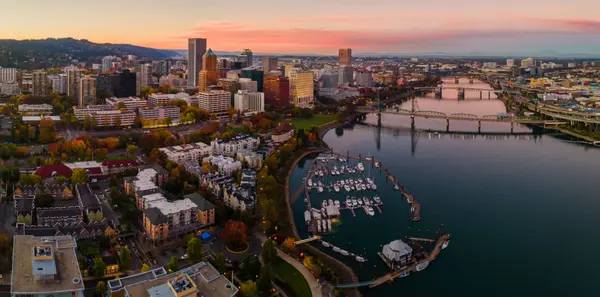
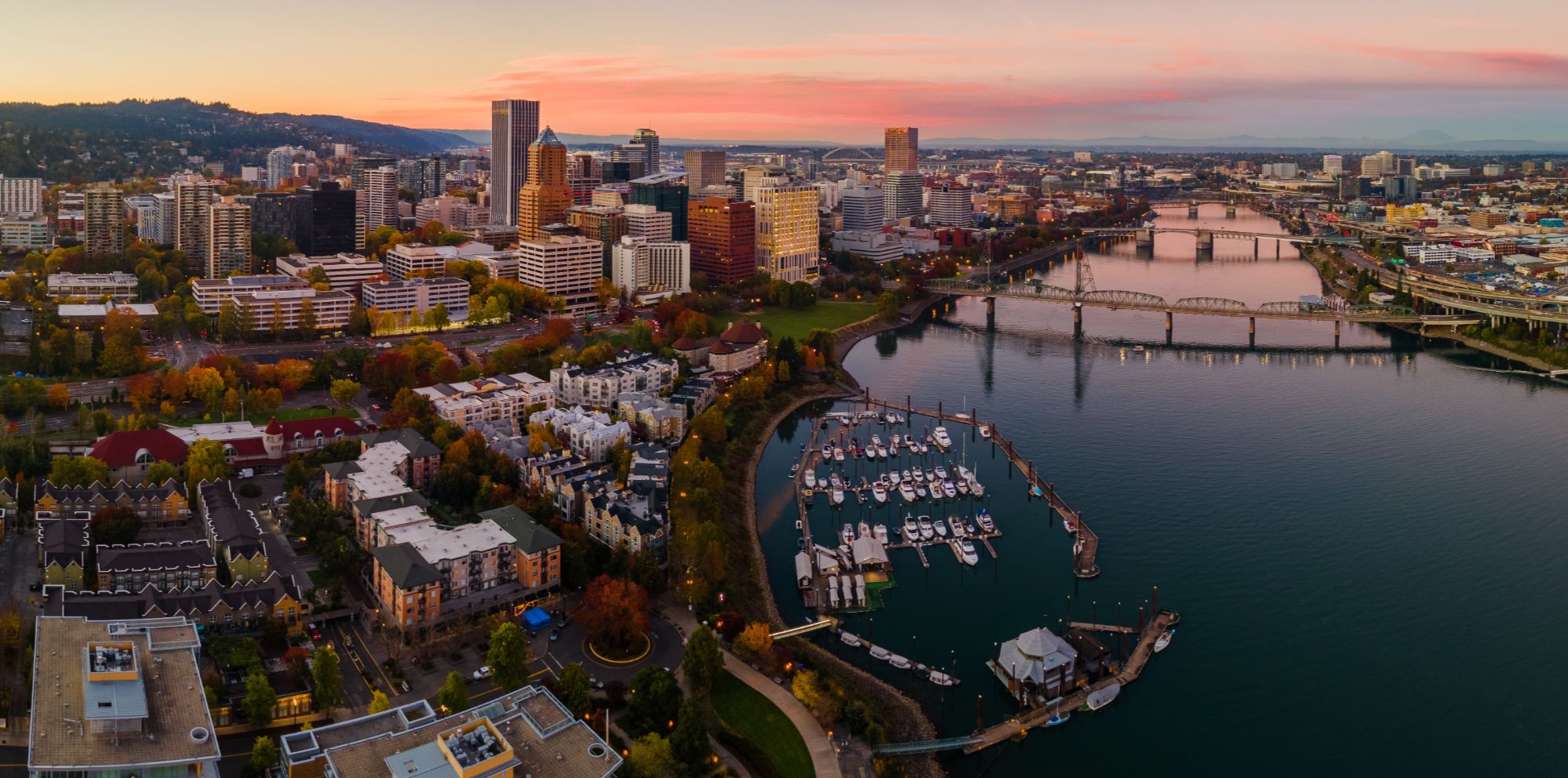
Portland's technology sector is smaller than Seattle's or San Francisco's, but it's thriving in its own right. The city—home to about 635,000 people with a metro area of 2.5 million—hosts established tech companies, a growing startup ecosystem, and an increasing number of remote workers from major tech hubs who've chosen Portland for its lifestyle advantages.
Key Industries & Employers
Portland's economy is diverse, with top industries including Health Care & Social Assistance, Professional, Scientific, & Technical Services, and Retail Trade. Oregon as a whole is quietly a tech powerhouse—the state is home to 15% of the U.S. semiconductor workforce and ranks third globally for IT transaction volume. This creates a robust professional landscape where tech workers integrate into a broader economy rather than dominating it as they do in Silicon Valley.
Major tech employers and sectors:
- Software & Cloud Services: Companies like Intel (with a major presence in nearby Hillsboro), Jama Software, Puppet, and a growing cluster of SaaS startups
- Athletic & Outdoor Tech: Nike's global headquarters in Beaverton, Columbia Sportswear, and Adidas North America bring sports technology and e-commerce innovation
- Green Tech & Sustainability: Portland's environmental values attract cleantech and sustainable technology companies
- Remote-First Companies: Many remote workers relocate here while continuing to work for Bay Area, Seattle, or national companies, taking advantage of Portland's lower cost of living while maintaining higher salaries
What Tech Workers Actually Earn Here
Understanding the salary landscape helps you gauge your purchasing power. The median software engineer salary in Portland is $149,356—competitive with San Francisco's $147,815 but notably lower than Seattle's $193,419. Full stack developers average $124,296 locally.
Here's the key insight: Portland salaries are 20-30% lower than Seattle but housing costs are nearly 40% lower. If you're working remotely for a company based in a more expensive market while living in Portland, the arbitrage opportunity is significant. That Seattle or Bay Area salary goes much further here.
Portland's Housing Market in 2026: What You Need to Know
Let's start with the numbers that matter most when planning your relocation:
|
Market Metric |
Current Data (January 2026) |
|
Median Sale Price |
$500,000 (up 3.0% year-over-year) |
|
Median Days on Market |
42 days (down from 51 days last year) |
|
Sale-to-List Price Ratio |
98.2% (homes selling slightly below asking) |
|
Homeownership Rate |
52.8% (Portland city) |
|
Income Needed to Buy |
$111,252 for a typical home |
|
Portland Metro Median Family Income |
$124,100 (family of four, 2025) |
How Portland Compares to Major Tech Hubs:
The cost savings become clear when you compare median home prices across tech markets. Portland's $500,000 median is dramatically more affordable than Seattle's $850,000 or San Francisco's $1.7 million. That's a 40% discount compared to Seattle and a 70% discount compared to San Francisco.
What this means for tech buyers:
Portland's market is somewhat competitive but far more accessible than major tech hubs. With household incomes for millennials averaging $99,620 in Portland and many tech workers earning $125,000-180,000+, homeownership is achievable—but you'll need to come prepared with strong financing and realistic expectations.
The market has stabilized after pandemic-era volatility. Homes are taking about six weeks to sell, and 23.4% are seeing price reductions—indicating you have some negotiating power as a buyer, especially if you're flexible on timing and location.
The Real Cost of Living in Portland
Cost of living is consistently the first concern for people relocating to Portland. Here's how it actually breaks down:
Housing Costs
At a $500,000 median home price, Portland is significantly more affordable than Seattle or San Francisco, but more expensive than many secondary cities. For tech workers relocating from the Bay Area or Seattle, Portland offers substantial savings. For those coming from lower-cost markets, it represents a step up.
Typical monthly housing costs (assuming 20% down, current interest rates):
- $500K home: ~$3,200/month (mortgage, taxes, insurance)
- $650K home: ~$4,150/month
- $800K home: ~$5,100/month
Taxes: What You Need to Know
Oregon's tax structure is unique and affects your take-home pay differently than other states. The state has a progressive income tax ranging from 4.75% to 9.9%, with the top rate kicking in at $125,000 for single filers. If you're a high-earning tech professional, you'll likely pay close to the top rate.
In Multnomah County (which includes Portland), you'll also pay local income taxes for supportive housing and preschool programs, plus a flat $35 Arts Tax. The trade-off? Oregon has no sales tax, which means major purchases (cars, electronics, furniture) are tax-free.
For tech workers coming from Washington (which has no income tax but high sales tax) or California (which has both), run the numbers on your specific situation. Generally, if you're a high earner who doesn't spend extravagantly, Oregon's tax structure may cost you more than Washington but less than California.
Other Living Expenses
- Groceries: Slightly above national average, with strong farmers markets and local food scene
- Dining out: Mid-range compared to major tech hubs; excellent value for quality
- Transportation: Gas prices tend to be higher than national average. Strong public transit (MAX light rail, buses) and bike infrastructure reduce car dependency in many neighborhoods
- Childcare: Expensive, similar to other West Coast cities ($1,200-2,000/month for full-time care)
The Bottom Line: What Salary Do You Need?
To comfortably afford a $500,000 home, you'll need a household income around $111,000-120,000. For tech professionals, this is often achievable—especially for dual-income households where both partners work in professional fields. Many tech workers relocating to Portland earn $120,000-180,000+ individually, putting them well above the threshold for comfortable homeownership.
Nearly 90% of homes for sale in the Portland metro are considered unaffordable for households earning the typical local income. However, if you're relocating with tech-sector compensation, you're likely in the top tier of buyers and will have significantly more options.
Best Portland Neighborhoods for Tech & Remote Workers
Where you live in Portland dramatically affects your daily experience. The city is divided into distinct quadrants (NE, SE, NW, SW, N) and each has its own character. Here are the neighborhoods that tend to appeal most to tech professionals and remote workers:
Pearl District (Northwest Portland)
Best for: Young professionals, urban lifestyle enthusiasts, those without kids or with older children
Portland's most polished urban neighborhood. Former warehouse district transformed into upscale lofts, condos, and apartments. Walkable to restaurants, galleries, Powell's City of Books, and downtown offices. Strong coffee shop culture for remote workers. Limited green space but proximity to Forest Park.
Price range: $450K-850K+ (condos to townhomes)
Vibe: Urban, polished, walkable, arts-focused
Alberta Arts District (Northeast Portland)
Best for: Creative professionals, diversity-conscious buyers, those seeking community feel
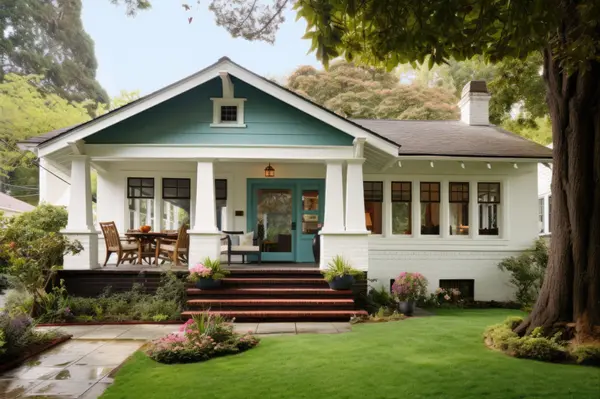
Vibrant neighborhood known for its monthly Last Thursday art walk, independent businesses, and diverse community. Walkable commercial corridor along Alberta Street with excellent restaurants and coffee shops. Older craftsman homes with character.
Price range: $450K-700K
Vibe: Artistic, diverse, community-oriented, eclectic
Hawthorne/Division (Southeast Portland)
Best for: Lifestyle balance seekers, restaurant enthusiasts, cyclists
Two parallel east-west corridors packed with restaurants, bars, boutiques, and vintage shops. Excellent walkability and bike infrastructure. Mix of older homes and newer construction. Close to inner Southeast parks. Popular with millennials.
Price range: $500K-800K
Vibe: Trendy, food-focused, bike-friendly, energetic
Sellwood-Moreland (Southeast Portland)
Best for: Families with children, nature lovers, those wanting small-town feel
Often called "the Brooklyn of Portland" for its small-town neighborhood feel within the city. Excellent schools, Sellwood Riverfront Park, antique shops, and strong community identity. More family-oriented than inner Southeast neighborhoods.
Price range: $550K-900K
Vibe: Family-friendly, community-focused, charming, residential
Eastmoreland (Southeast Portland)
Best for: Families prioritizing schools, those seeking established neighborhoods
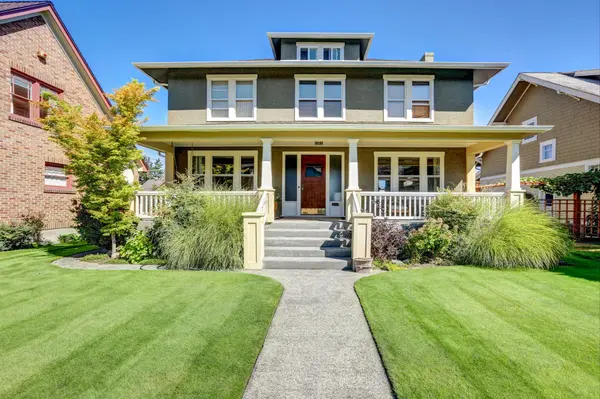
One of Portland's most sought-after residential neighborhoods. Tree-lined streets, larger lots, highly-rated schools. Adjacent to Reed College and Crystal Springs Rhododendron Garden. More traditional single-family home feel.
Price range: $600K-1M+
Vibe: Established, family-oriented, green, prestigious
Hillsdale/Multnomah Village (Southwest Portland)
Best for: Families wanting suburban feel in the city, access to nature
Southwest neighborhoods with small-town main streets, good schools, and quick access to hiking trails and natural areas. More spread out than inner Portland, more car-dependent, but excellent for families who want space and greenery.
Price range: $550K-950K
Vibe: Village-like, family-friendly, nature-adjacent, quieter
Portland Suburbs Worth Considering
If you're open to living outside Portland proper, these suburbs offer excellent value, strong schools, and their own distinct advantages:
- Beaverton/Hillsboro: Close to Intel and Nike campuses. Growing tech corridor. More affordable than Portland. MAX light rail access. Median home ~$550K-650K
- Lake Oswego: Affluent suburb south of Portland. Excellent schools. Higher prices ($700K-1.5M+). Less urban, more traditional suburban lifestyle
- Vancouver, WA: Just across the Columbia River. No state income tax (Washington). More affordable housing. Trade-off: less walkable, more car-dependent, and you'll pay Oregon income tax on work done in Oregon
Home Features That Matter for Remote Workers
As a tech professional or remote worker, certain home features become especially important:
Essential Features
- Dedicated Office Space: With remote work likely long-term, having a room with a door (not just a nook) makes a significant quality-of-life difference. Look for homes with flexible floor plans, finished basements, or bonus rooms.
- High-Speed Internet: Portland has good fiber coverage in many neighborhoods. Before buying, verify available internet providers and speeds—this is non-negotiable for remote work.
- Natural Light: Portland is known for gray, rainy winters. Homes with good natural light and windows facing south or west help combat seasonal affective disorder and improve work-from-home morale.
- Outdoor Space: Whether it's a backyard, deck, or proximity to parks, having easy access to outdoor space matters. Portland's culture emphasizes getting outside, and having somewhere to step away from your screen is valuable.
Nice-to-Have Features
- Updated Kitchen: Portland's food culture extends into homes. Many buyers prioritize modern, functional kitchens.
- Energy Efficiency: Portland values sustainability. Heat pumps, solar panels, good insulation, and newer windows can reduce utility costs and appeal to local sensibilities.
- Walkability Score: Being able to walk to coffee shops, restaurants, and groceries enhances the Portland lifestyle and provides work-from-home respites.
- Garage or Off-Street Parking: Older Portland neighborhoods have limited street parking. Having dedicated parking is a practical advantage.
Beyond Housing: Lifestyle Realities of Portland
Relocating isn't just about finding a house—it's about building a life. Here's what to expect:
The Weather (Yes, It Matters)
Portland's famous rain is real, but often misunderstood. The city gets less total rainfall than many East Coast cities, but it's distributed over many gray, drizzly days from November through May. Summers are spectacular—dry, warm, long days—but you'll need strategies for the "dark season." Seasonal affective disorder is common. Invest in vitamin D, light therapy lamps, and cultivate indoor hobbies.
However, the weather is also why Portland's outdoor recreation is world-class: the rain creates lush forests, waterfalls, and greenery that give the region its character.
Outdoor Recreation & Nature Access
This is Portland's ace in the hole. Within 90 minutes, you can access:
- Mt. Hood for skiing, snowboarding, and alpine hiking
- The Oregon Coast for beaches and rugged coastline
- Columbia River Gorge for waterfalls and windsurfing
- Cascade Range wilderness areas
- Within city limits: Forest Park (5,200 acres of urban forest), numerous rivers and trails
If outdoor recreation is central to your lifestyle, Portland delivers exceptionally well. The work-life balance culture means people actually use these amenities regularly, not just on annual vacations.
Food, Drink & Culture
Portland has an outstanding restaurant scene, craft brewery culture, and coffee roasting tradition. Food carts, farm-to-table dining, and neighborhood spots are accessible and high-quality. The city also has strong arts institutions, independent music venues, and a DIY ethos that keeps culture vibrant without the high costs of larger cities.
Safety & Street Livability: The Honest Conversation
This topic comes up in virtually every relocation conversation, so let's address it directly with data. Portland's overall crime rate is higher than the national average, but the picture is more nuanced than headlines suggest.
Oregon's statewide violent crime rate (4.08 per 1,000) is actually lower than the national average of 4.43 per 1,000. What Portland does see more of is property crime—particularly car break-ins, catalytic converter theft, and package theft. These quality-of-life crimes are frustrating but don't pose physical danger.
The city has also faced challenges with homelessness and visible street disorder, particularly downtown and in certain corridors. These issues are real and have affected the character of some neighborhoods.
The reality for most residents: Safety varies dramatically by neighborhood. Eastmoreland, Southwest Hills, Lake Oswego, and West Linn consistently rank among the safest areas. Most residential neighborhoods where families live—especially on the east side—feel safe and pleasant for daily life. You're more likely to deal with a stolen bike or package than any personal safety concern.
Practical advice: Take basic precautions (don't leave valuables in cars, secure packages, get a Ring doorbell), research specific neighborhoods carefully, and visit in person if possible. Talk to people who actually live in the areas you're considering—their firsthand experience will be more valuable than generalized statistics or sensationalized news coverage.
Schools & Family Considerations
If you have children or are planning to, school quality varies significantly across Portland. Eastmoreland, Sellwood-Moreland, Irvington, and certain West Hills neighborhoods have highly-rated public schools. Suburbs like Lake Oswego, West Linn, and Beaverton also have strong school systems. Portland also has a robust network of private and alternative schools. Research thoroughly using GreatSchools.org and talking to local parents.
Navigating the Home Buying Process as an Out-of-State Buyer
Buying remotely or while relocating has its own challenges. Here's how to approach it:
Timeline Expectations
- Pre-approval first: Get pre-approved for a mortgage before house hunting. In Portland's market, sellers want to see you're a serious buyer.
- Plan 2-3 trips: One to explore neighborhoods and get a feel for the city. Another for serious house hunting. Possibly a third for closing if you can't handle it remotely.
- Typical timeline: From offer to closing is usually 30-45 days. Finding the right property can take weeks to months depending on your requirements.
- Current market pace: Homes are selling in a median of 42 days, so you have some time to make decisions—unlike the pandemic-era bidding wars.
Working with the Right Agent
Choose a buyer's agent who understands your situation as a relocating tech worker. Look for:
- Experience with out-of-state buyers and relocation
- Deep neighborhood knowledge and willingness to give honest assessments
- Tech-savvy communication (video tours, digital document signing)
- Understanding of remote worker needs (office space, internet infrastructure, etc.)
After the 2024 NAR settlement, buyer's agents now work for you explicitly and their compensation is negotiated directly with you. This can actually benefit relocating buyers who need extra support and communication.
Common Pitfalls to Avoid
- Not visiting in person: Photos lie. Portland neighborhoods have very different characters. Visit before committing if at all possible.
- Underestimating commute times: If you'll have an office commute (even occasionally), test the drive during rush hour. Portland traffic can be frustrating on key bridges and corridors.
- Ignoring older home realities: Many Portland homes are 80-100+ years old. Charming craftsmen come with old wiring, plumbing, and foundation issues. Budget for repairs and renovations.
- Overlooking property taxes: Oregon property taxes are around 1.1%+ of assessed value. Make sure you understand your total monthly costs.
- Buying before exploring: Rent for 6-12 months first if you can. This lets you explore neighborhoods, understand the city's rhythm, and make a more informed purchase.
Is Portland Right for You? Key Questions to Ask
Before committing to Portland, honestly assess whether it aligns with your priorities:
- Do you value outdoor recreation and access to nature? If yes, Portland excels here.
- Can you handle 6-7 months of gray, drizzly weather? Be honest—this affects daily quality of life.
- Do you prioritize work-life balance over career advancement? Portland's culture emphasizes quality of life, but the local tech scene is smaller than Seattle or SF.
- Are you comfortable with a mid-sized city? Portland is about 635,000 people with a regional metro of 2.5 million—not a major metropolis.
- Do you align with progressive, environmentally-conscious values? Portland skews politically left and sustainability-minded. If that doesn't fit your worldview, you may feel out of place.
- Is saving money vs. major tech hubs important? If cost savings are a primary driver, Portland delivers well compared to SF/Seattle.
Final Thoughts: Making Your Portland Relocation Decision
Portland offers a compelling value proposition for tech professionals and remote workers: significantly lower housing costs than major tech hubs, strong quality of life, excellent outdoor recreation, and a culture that prioritizes balance over hustle.
At a median home price of $500,000—compared to Seattle's $850,000 or San Francisco's $1.7 million—and with homes selling in 42 days, the market is accessible for well-compensated tech workers. The lifestyle advantages are real: you can afford a house with a yard and dedicated office space, access world-class outdoor recreation within an hour, and still enjoy an urban cultural scene.
The trade-offs exist, though. The weather requires adjustment, Oregon's income tax structure means you'll pay more than in Washington (though less than California), and property crime is more common than in smaller cities. Some neighborhoods face challenges around homelessness and visible disorder that merit research.
For many tech professionals and remote workers—particularly those with families, those seeking better work-life balance, and those who've been priced out of or burned out by major tech hubs—Portland offers a reset button worth pressing. The key is coming with realistic expectations, doing thorough neighborhood research, and understanding that you're not just buying a house, but opting into a different lifestyle entirely.
Planning your Portland relocation? Let's talk.
We specialize in helping tech professionals and remote workers find the right neighborhood and home for their Portland transition. Contact for a free consultation and neighborhood guide tailored to your priorities.
Categories
Recent Posts