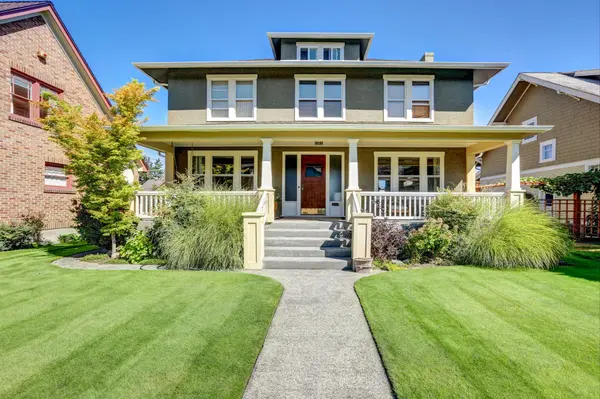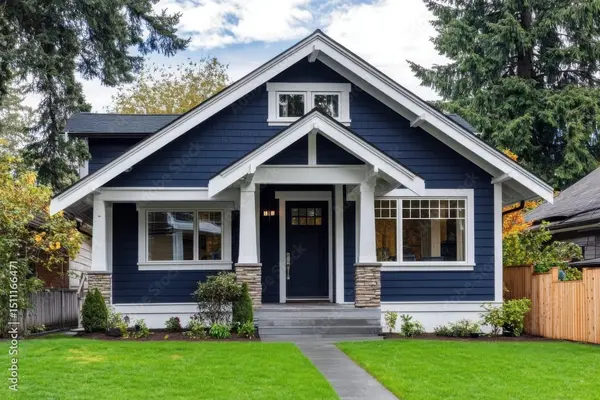

Should I Sell My Portland Home Before Buying Another? (Move-Up Buyer Strategy)
A Data-Driven Guide for Families Ready to Upgrade in 2026
If you're a Portland family with kids outgrowing your starter home—maybe you're cramming three kids into two bedrooms, or you've finally saved enough for that house with a backyard—you're likely facing one of the most common dilemmas in real estate: Do I sell first, or buy first?
The answer isn't the same for everyone, and in Portland's current market, your strategy matters more than ever. With market conditions shifting from the frenzy of 2021-2023 to a more balanced environment in 2026, this is actually an excellent time for move-up buyers who understand how to navigate the transition strategically.
Let's break down your options with real data, honest trade-offs, and a framework to help you decide which path makes sense for your family.
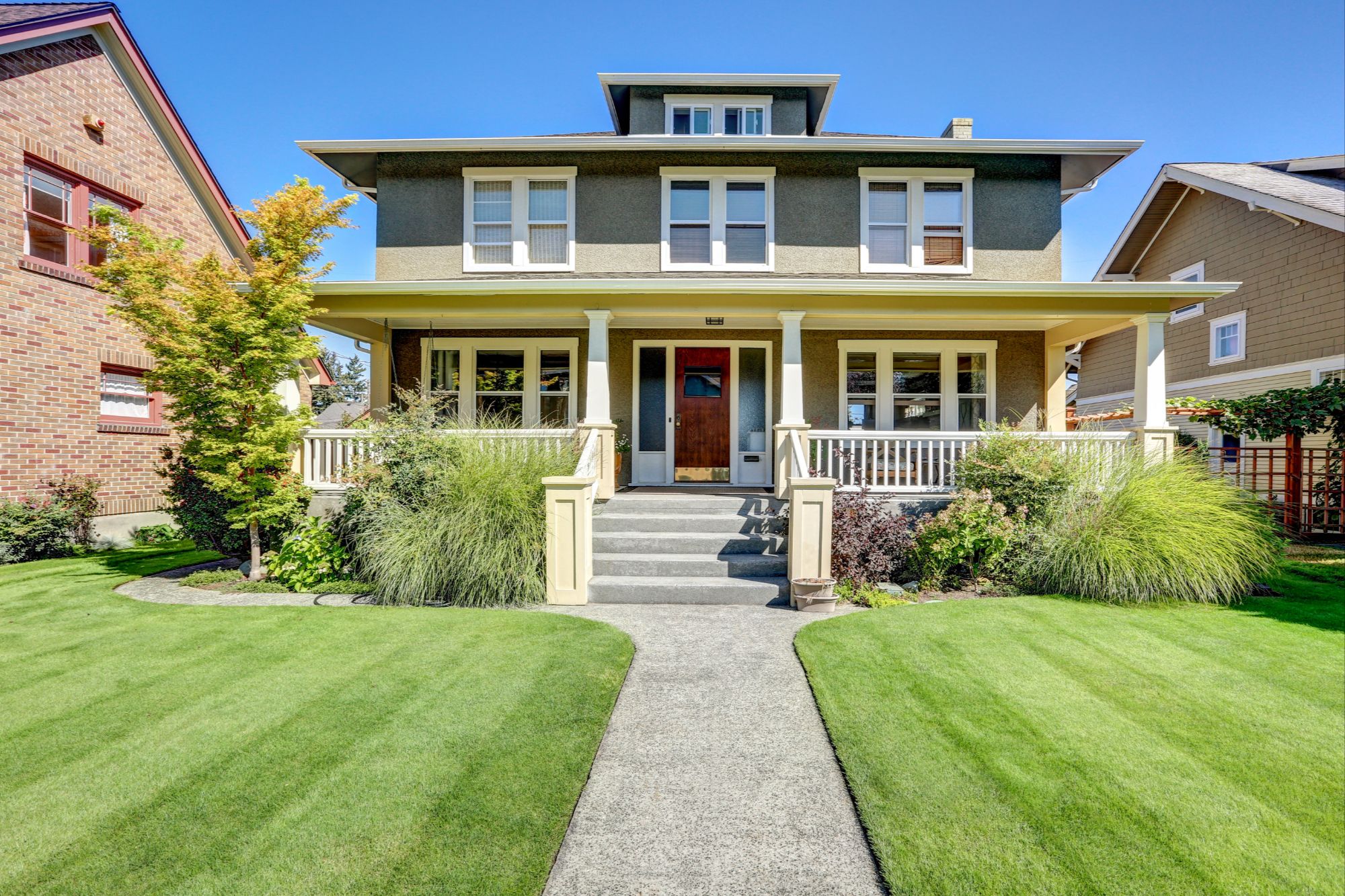
Understanding Portland's 2026 Market Context
Before we dive into strategy, you need to understand where Portland's market stands right now—because timing your move-up purchase is all about leveraging current conditions.
Current Market Snapshot (February 2026)
Portland's real estate market has stabilized significantly from the volatility of previous years. Here's what the numbers tell us:
Pricing Trends:
- Median sale price: $500,000 (December 2025)
- Average price per square foot: $318 (January 2026)
- Average home price in Portland metro: $612,000
- Local forecast: 1-2% increase in suburban home values, flat pricing in Portland proper for 2026
Inventory & Speed:
- Active listings: 972 homes (January 16, 2026) — down from December's 1,204 but still healthier than 2023-2024
- Median days on market: 42 days (December 2025) — properties moving faster than late 2025
- Sales volume: 570 homes sold in December 2025, up 7.8% year-over-year
Buyer & Seller Dynamics:
- 39.3% of active listings have experienced price reductions
- 23.9% of homes sold above list price
- Sale-to-list price ratio: 98.2%
- Buyer traffic: 38,965 showings in December 2025, a four-year high
- Market competitiveness: "Somewhat competitive" with homes receiving an average of 2 offers
What This Means for You:
Portland's market in early 2026 sits in an interesting middle ground. It's not the frenzied seller's market of 2021-2023, but it's also not a deep buyer's market. Properties are moving faster than they were in late 2025, but buyers still have negotiating power—especially on homes that have been on the market for 30+ days.
For move-up buyers specifically, this creates a strategic opportunity: your current home is likely to sell within a reasonable timeframe (42 days median), and you'll face less competition when making offers on your next home than you would have two years ago. However, with buyer traffic at a four-year high, the window of maximum leverage may not last indefinitely.
The fact that nearly 40% of listings have price reductions tells us sellers are motivated to negotiate, but the 98.2% sale-to-list ratio shows that well-priced homes in good condition are still commanding strong prices.
Current Financing Landscape (February 2026)
Understanding your financing options and costs is crucial to choosing the right strategy.
Mortgage Rates:
Alternative Financing:
- HELOC average: 7.31% APR (February 4, 2026)
- Bridge loan rates: 7-12% or higher, depending on lender and circumstances
Closing Costs:
- Buyers in Oregon typically pay 2-5% of the home's purchase price in closing costs
- For a $500,000 home, expect $10,000-$25,000 in buyer closing costs
- Sellers typically pay 1-2% of the sale price, plus agent commissions (typically 5-6%)
These rates matter because they directly impact which strategies are financially viable for your family. A HELOC at 7.31% or a bridge loan at 8-12% is significantly more expensive than your primary mortgage, which factors heavily into the "buy first" decision.
Option 1: Sell First, Then Buy
This is the traditional approach—and for most Portland families, it's still the safest strategy.
How It Works
- List your current home
- Accept an offer (typically with a 30-60 day closing period)
- Use your closing period to house hunt
- Make a strong, non-contingent offer on your next home
- Coordinate closings (ideally selling and buying on the same day or within days of each other)
- Arrange temporary housing if there's a gap
Advantages in Portland's 2026 Market
Financial Safety:
You know exactly what your home sold for and what cash you'll have for your down payment. With the median Portland home at $500,000 and the average metro home at $612,000, knowing your exact budget is crucial. You won't risk overextending yourself based on optimistic equity projections—especially important since 62% of homeowners report that owning a home is much more expensive than they anticipated, and 34% consider themselves "house poor."
Stronger Negotiating Position:
In today's market where homes are receiving an average of 2 offers, being a non-contingent buyer gives you a significant edge. When you've already sold your home, you're essentially a cash buyer from the seller's perspective—no home sale contingency means you're competing on equal footing with the 26% of buyers who are making all-cash offers (an all-time high).
No Double Mortgages:
Carrying two mortgages simultaneously is expensive. At current rates (6.05% for a 30-year fixed), avoiding bridge loan interest at 7-12% saves you thousands. More on this later when we calculate actual costs.
Better Sleep:
There's significant peace of mind in knowing you're not financially overextended. Given that Portland millennial families typically earn $99,620 and face concerns about affordability, the sell-first approach aligns with the economic caution characteristic of this generation.
Disadvantages
Temporary Housing:
This is the biggest inconvenience. You may need to rent short-term, stay with family, or negotiate a rent-back agreement with your buyer (more on this option later). Budget $2,000-5,000 for the extra move and storage costs.
Market Timing Risk:
With local forecasts predicting 1-2% appreciation in suburbs and flat pricing in Portland proper for 2026, this risk is relatively contained. However, if you sell in a strong market but then face increased competition when buying due to seasonal factors or rate changes, you could lose some purchasing power.
Time Pressure:
Once you've sold, you're on a deadline to find your next home. With the median days on market at 42 days, the market is moving at a moderate pace—not so slow that inventory sits forever, but not so fast that you can't be selective. With 972 active listings currently available, you'll have options, but you'll need to act decisively.
Moving Twice:
Logistically complex and expensive. Budget $2,000-5,000 for the extra move and storage costs.
Best For:
- Families with tight budgets who can't carry two mortgages
- First-time move-up buyers without significant emergency savings
- Anyone who values financial security over convenience
- Buyers relocating to highly competitive neighborhoods where you need the strongest possible offer (like Alameda at a median of $711,033 or West Linn at $738,000)
Option 2: Buy First, Then Sell

This is the "dream scenario"—but it requires significant financial resources and comes with real risks.
How It Works
- Get pre-approved for a mortgage on your new home (while still carrying your current mortgage)
- Make an offer and close on your new home
- Move into your new home at your leisure
- Prepare and list your current home
- Sell your current home and pay off the old mortgage
Advantages
No Temporary Housing:
Move directly from one home to the next. For families with young children, this convenience is invaluable—no disruption to school, routines, or the stress of coordinating moves.
Time to Prepare Your Home:
When you're already living in your new home, you can take the time to make improvements properly—fixing major inspection issues, addressing cosmetic problems, improving curb appeal, staging, and packing up personal effects. This preparation can potentially net a higher sale price, offsetting some of the carrying costs.
No Contingent Offer:
With only 2 offers on average per home, eliminating the contingency barrier can be the difference between winning and losing your dream home. Sellers strongly prefer non-contingent offers because their sale doesn't depend on another transaction.
Market Opportunity:
If you find your dream home before it gets snatched up, you can act immediately. With buyer traffic at a four-year high, desirable properties in neighborhoods like Alameda (safer than 90% of Portland neighborhoods) or Bridlemile (median $631,700) won't wait around.
Disadvantages
Requires Significant Financial Resources:
You'll need to qualify for two mortgages simultaneously. Most lenders look at your debt-to-income ratio (DTI), and if your DTI ratio is above 50%, you may have trouble qualifying for financing. With a median millennial household income of $99,620 in Portland and the average metro home at $612,000, this can be challenging.
Double Carrying Costs:
Let's calculate the real numbers for Portland in 2026. Assume you're buying a $612,000 home (average metro price) while still carrying your $500,000 starter home:
Your New Home (Monthly Costs):
- Mortgage payment (6.05% rate, 20% down): ~$2,950
- Property taxes (estimated 1.2%): ~$610
- Insurance: ~$150
- Utilities: ~$250
- Subtotal: ~$3,960/month
Your Current Home (Monthly Costs):
- Existing mortgage: ~$2,400
- Property taxes: ~$500
- Insurance: ~$125
- Utilities/maintenance: ~$200
- Subtotal: ~$3,225/month
Total Double Carrying Cost: ~$7,185/month
Can you sustain this for 3-6 months if your home takes longer to sell than the median 42 days? That's $21,555-$43,110 in total carrying costs.
Market Risk:
What if your current home doesn't sell as quickly as the 42-day median? Or sells for less than anticipated? With 39.3% of listings experiencing price reductions, this is a real risk if your home is overpriced or has issues. And while sales are up 7.8% year-over-year, that doesn't guarantee your specific property will move quickly.
Financial Stress:
Even if you can technically afford it, the psychological weight of carrying two properties can be overwhelming—especially for millennial families already concerned about being "house poor" (a concern for 34% of current homeowners).
Financing Solutions If You Choose This Path
If buying first makes sense for your situation, here are your options to make it work:
Bridge Loans:
Bridge loans are short-term loans with terms usually six to 12 months that allow you to access the equity in your current home for a down payment on your new home.
- Current rates: 7-12% or higher depending on lender and project (February 2026)
- Requirements: Most lenders require at least 20% equity in your current home and a credit score of 740 or higher with a DTI below 50%
- Costs: Closing costs can total up to 3% of the loan amount
- Repayment: You typically make interest-only payments initially, then a final lump-sum payment due when your home sells
Example: If you have a $500,000 home with a $250,000 mortgage (50% equity), you might get a $100,000 bridge loan. At 9% interest, that's $750/month in interest-only payments—and that's in addition to your existing $2,400 mortgage on that property plus your new $2,950 mortgage. Total: $6,100/month.
Home Equity Line of Credit (HELOC):
A HELOC allows you to borrow money against the equity in your home up to a certain limit, and you'll often pay interest only on the amount you use.
- Current average rate: 7.31% APR (February 4, 2026)
- Requirements: Lenders commonly accept a minimum credit score of 620, though 680+ is preferred. A 15-20% equity stake is typically required.
- Disadvantages: Some lenders won't approve a HELOC on a house that's for sale because it's considered a less secure investment
- Timeline: You typically need to secure a HELOC before your home is put on the market
Home Equity Loan:
Similar to a HELOC but provides a lump sum with repayment periods typically starting at five years and going as long as 20 years. Interest rates are similar to HELOCs, currently around 7-8%.
Buy-Before-You-Sell Programs:
Companies like Homeward (which operates in Oregon), along with Orchard, Ribbon, and Knock, use their cash to make a contingency-free offer and reserve a home for you.
- How it works: They purchase your new home, you move in and won't pay your mortgage until your old home sells
- Advantages: Strong offer, seamless transition, no temporary housing
- Disadvantages: Service fees can exceed 2% of your home sale price, plus some charge rent until your old home sells and additional closing costs
- Potential upside: Some allow you to use a portion of your equity advance for home improvements before listing, potentially increasing your sale price
Best For:
- Dual-income families with significant savings and strong credit
- Buyers with substantial equity in their current home (50%+)
- Families in stable financial situations who can weather 6-12 months of $7,000+ monthly double payments if needed
- Buyers who've found their absolute dream home in a competitive neighborhood and can't risk losing it
- Families who absolutely cannot manage temporary housing due to special circumstances
Option 3: Sell and Buy Simultaneously (With a Contingent Offer)
This middle-ground approach attempts to coordinate both transactions—selling your current home and buying your next one—at the same time.
How It Works
- List your current home
- Once you have an accepted offer with a closing date, start house hunting
- Make an offer on a new home with a "home sale contingency"—stating your purchase is contingent on closing the sale of your current home
- Coordinate closing dates so they happen on the same day or within days of each other
The Home Sale Contingency Explained
A home sale contingency is a clause in your offer that allows you to back out if your current house doesn't sell within a specified timeframe—typically 30 to 60 days. These contingencies appear in an estimated 20% of real estate contracts.
Two Types:
- Sale and Settlement Contingency: Most conservative—your purchase is contingent on listing, going under contract, AND closing on your current home
- Settlement Contingency: Less risky for sellers—your home is already under contract, but the deal depends on that sale actually closing (sellers are more likely to accept this type)
The Kick-Out Clause:
A kick-out clause is an addendum that gives a seller the ability to keep their home on the market while you try to sell your house. If another buyer makes an offer without a contingency, you typically have 72 hours to remove your contingency or walk away.
Advantages
No Temporary Housing (Usually):
If you can coordinate closings within a few days of each other, you move directly from one home to the next. With the median 42-day timeline to sell, this is more feasible than it was in slower markets.
Financial Safety Net:
A home sale contingency shields buyers from financial strain, especially important in a market where 18% of hopeful buyers in 2025 postponed plans because they couldn't afford available homes. If something goes wrong with your sale, you're not stuck buying a home you can't afford.
Timing Control:
You can request closing dates that align with school schedules, work commitments, or other family needs.
Disadvantages
Weaker Offer:
This is the critical drawback. Even in Portland's current "somewhat competitive" market, non-contingent offers will always be more attractive. When a seller has 2 offers on average to choose from, the contingent one is almost always the backup choice—if it's considered at all.
Risk of Losing Your Dream Home:
If another buyer comes along with a non-contingent offer and the seller has a kick-out clause, you typically have about 72 hours to decide whether to remove the home sale contingency, renegotiate, or end the contract and lose the home.
Limited Inventory Access:
Sellers with multiple offers will almost always favor the cleaner deal. This effectively narrows your pool of available homes, especially in sought-after neighborhoods where properties move quickly.
Stress and Complexity:
You're juggling two transactions simultaneously, each with multiple contingencies, timelines, and potential complications. And nationally, 5% of contracts were terminated in 2025, showing that deals do fall through.
How to Make a Contingent Offer More Attractive
If you pursue this strategy, here are specific tactics to strengthen your position:
- List Your Home First: An offer with a sales contingency "isn't even going to be feasible unless the buyer's home is already on the market, under contract"
- Offer More Money: Sometimes a premium price can offset the contingency risk for sellers
- Shorten the Contingency Period: With the median at 42 days, offering a 30-day contingency instead of 60 shows confidence
- Increase Earnest Money: Show you're serious with a larger deposit (3-5% instead of 1-2%)
- Waive Other Contingencies: Consider waiving the inspection contingency or appraisal contingency (though be very careful here—inspection especially protects you from costly surprises)
- Include a Kick-Out Clause: Make it less risky for the seller by giving them an out if a better offer comes along
- Demonstrate Progress: Show that your house is priced correctly, has already received offers, or has high showing activity (with traffic at a four-year high, strong showings indicate likely sale)
Market Acceptance in Portland 2026
The strength of your contingent offer depends on specific conditions:
Favorable Factors:
- 972 active listings means more choices for sellers waiting for your home to sell
- 39.3% of listings have price reductions, indicating some sellers are motivated
- The "somewhat competitive" rating means you're not facing 10+ offers like in 2021-2023
Challenging Factors:
- With buyer traffic at a four-year high, sellers know other buyers are out there
- Properties in desirable neighborhoods (Alameda, West Linn, Bridlemile) still move quickly
- Sale-to-list ratio of 98.2% shows well-priced homes command strong prices
- Sellers with 2 offers on average will always favor the non-contingent one
Reality Check:
Your chances improve significantly if you're targeting:
- Homes that have been on the market 30+ days (longer than the 42-day median)
- Properties with price reductions (nearly 40% of listings)
- The $500,000-700,000 range where competition is less fierce than the starter home segment
- Less "hot" neighborhoods compared to the top-tier options
Best For:
- Families with a home already under contract with a qualified buyer
- Buyers targeting less competitive neighborhoods or price points
- Patient buyers willing to make multiple offers before finding a seller who'll accept the contingency
- Families who absolutely cannot manage temporary housing (disabilities, very young children, etc.)
- Buyers in the slower winter/fall seasons when sellers have fewer offers to choose from
The Hidden Fourth Option: Rent Back from Your Buyer
This strategy is often overlooked but can be the perfect solution for Portland move-up buyers in 2026.
How It Works
- Sell your current home
- Negotiate a "rent-back" or "leaseback" agreement with your buyer
- Continue living in your now-sold home for 30-90 days while you house hunt
- Make a strong, non-contingent offer on your next home
- Move directly from your old home to your new home
Advantages
Best of Both Worlds:
As one expert puts it: "Close escrow on your current home with the new buyer and rent it back from the new buyer until you close on your new home. Your rent amount is normally the new owner's total payment. This makes you as strong as any other non-contingent buyer."
You get the financial certainty of selling first with the convenience of not moving twice.
Known Down Payment:
You have cash in hand from your sale, making budget decisions easier and offers stronger. No guessing about how much you'll net or whether you can afford a particular home.
No Moving Twice:
Move directly from your current home to your new home. Save $2,000-5,000 in extra moving and storage costs.
Time to Find the Right Home:
With 972 active listings and a 42-day median selling time, you have a realistic window to find the right home during a 30-60 day rent-back period. This isn't 2021 when inventory was scarce—you'll have genuine options.
Competitive Offer Strength:
You're making a non-contingent offer, which matters in a market where homes receive an average of 2 offers. In desirable neighborhoods where properties move quickly, this can be decisive.
Disadvantages
Requires Buyer Cooperation:
Not all buyers will agree to a rent-back, especially if they need to move in immediately for job relocation or because they've already sold their home. However, many buyers—particularly investors, people selling their own homes, or those with flexible timing—are open to this arrangement.
Rent Costs:
Your rent amount is normally the new owner's total payment (mortgage, taxes, insurance), which for a $500,000 Portland home could be $3,000-4,000/month. However, this is still far less expensive than:
- Bridge loan interest at 8-12% ($600-1,000/month on a $100,000 loan)
- HELOC interest at 7.31%
- Full double carrying costs of $7,185/month
Even at $4,000/month rent, you're saving $3,000+ compared to buying first.
Limited Time Frame:
Most buyers will only agree to 30-60 days, though some will go longer. You'll need to find and close on your next home within that window. However, with the current median of 42 days on market and nearly 1,000 active listings, this timeline is realistic for serious buyers.
Risk If Deal Falls Through:
If your buyer backs out during the rent-back period, you could be left scrambling. However, earnest money protections typically mitigate this risk, and the 5% contract termination rate nationally means 95% of deals close successfully.
Negotiating a Rent-Back
What to Offer:
- 30-60 days is most common and easiest to negotiate
- Offer to pay the buyer's full monthly housing cost (mortgage + taxes + insurance)
- Agree to maintain the property in its current condition
- Carry your existing homeowner's insurance or obtain renter's insurance as required
- Put the rent-back terms in writing as part of the purchase agreement
What Makes Buyers Agree:
- Buyers who are also selling a home and need transition time
- Investors who aren't in a hurry to occupy or rent the property
- Out-of-state buyers who need time to plan their move
- Buyers closing in winter/fall who prefer to move in spring
- The extra rent income for the buyer (essentially zero-cost housing for 1-2 months)
Best For:
- Nearly everyone—this is my most recommended strategy for most Portland move-up buyers in the current 2026 market
- Families with enough equity to qualify for their next home's mortgage without the proceeds from their current sale (for pre-approval purposes)
- Buyers in a market with 972 active listings where finding a home in 30-60 days is realistic
- Anyone who values both financial security and convenience
- Families who can afford $3,000-4,000/month in temporary rent but not $7,000+ in double carrying costs
Your Decision Framework: Which Strategy Is Right for You?
Let me help you cut through the confusion with a practical decision framework based on your specific situation.
Answer These Questions:
Financial Questions:
1. Can you qualify for two mortgages simultaneously?
2. Do you have 6 months of reserves to cover double payments?
3. How much equity do you have in your current home?
4. What's your credit score?
Market Questions:
5. How competitive is your target neighborhood?
- Very competitive (Alameda, West Linn) → Avoid contingent offers
- Moderately competitive (Happy Valley, Bridlemile) → Contingent offers possible but difficult
- Less competitive → Contingent offers more realistic, but non-contingent still preferred
6. How desirable is your current home?
- High demand (good condition, priced at or below $500,000 median) → Should sell within 42-day median, sell first or rent-back works well
- Average demand → Plan for 60-90 days to sell
- Challenging property (needs work, overpriced, or niche market) → Must sell first, may need aggressive pricing strategy
Family Questions:
7. Can your family handle temporary housing?
- Yes (flexible, no school-age kids, can stay with family) → Sell first is viable
- Maybe (difficult but possible) → Strongly consider rent-back
- No (school schedules, special needs, no family support) → Buy first or rent-back strategy
8. How quickly do you need to move?
- Immediate (job relocation, school start) → Buy first or accept temporary housing
- Flexible timeline (3-6 months) → Sell first or rent-back (my recommendation)
- No rush (6+ months) → Sell first for best financial outcome
Portland-Specific Considerations for 2026
Your strategy should account for Portland's unique market dynamics right now.
Neighborhood Price Points Matter
Highly Competitive Areas:
Alameda:
- Median purchase price: $711,033
- Strategy: Contingent offers rarely accepted
West Linn:
- Median sale price: $738,000 (December 2025, up 18% year-over-year!)
- Median days on market: 80 days
- Strategy: Despite higher prices, the 80-day median means less frenzy than Portland proper; well-qualified contingent offers potentially possible on homes listed 60+ days
Bridlemile:
- Median purchase price: $631,700
- Crime rate: Safer than 90% of Portland neighborhoods
- Strategy: Premium neighborhood, non-contingent offers strongly preferred
Moderate Competition Areas:
Happy Valley:
- Median home price: $425,300
- Strategy: More affordable price point means more first-time buyers (less competition from move-up buyers); contingent offers more viable, especially on homes listed 45+ days
Beaverton, Hillsboro, Gresham:
- Generally at or below Portland's $500,000 median
- Strategy: Balanced markets where all strategies can work depending on specific property and your financial position
Timing Considerations for 2026
Best Times to List Your Current Home:
- Early Spring (March-April): Traditional peak season with highest buyer traffic
- Right Now (February): Buyer traffic hit a four-year high in December at 38,965 showings; momentum continuing into early 2026
- Late Summer (August-September): Second wave of buyers before school starts
Best Times to Buy:
- Winter (January-February): Despite current high buyer traffic, this is still traditionally slower with more price reductions
- Late Fall (November-December): Motivated sellers, less competition, 39.3% of listings have price reductions currently
The Interest Rate Factor
Current mortgage rates (6.05% for 30-year fixed) are significantly lower than the 7-8% rates of 2023-2024. This has contributed to the increase in buyer traffic (four-year high).
If rates drop to 5.5% or below:
- Expect buyer demand to surge significantly
- Inventory will likely tighten as more buyers qualify
- Your window for buyer leverage narrows
- Competition increases, especially in desirable neighborhoods
- Acting sooner rather than later becomes advantageous
If rates stay at 6-6.5%:
- Current "somewhat competitive" conditions likely continue
- More time to execute your strategy
- Sellers remain motivated to negotiate
- Your timeline can be more flexible
If rates rise above 6.5%:
- Buyer demand may decrease
- Inventory could increase further
- More negotiating leverage for buyers
- However, your own financing costs also increase
Common Mistakes to Avoid
Mistake #1: Overestimating Your Home's Value
With 39.3% of Portland listings experiencing price reductions and homes selling at 98.2% of list price on average, overpricing is a real risk. Get a professional comparative market analysis (CMA) before committing to any strategy that depends on specific sale proceeds. The difference between assuming you'll net $200,000 and actually netting $175,000 can derail your entire plan.
Reality check: If homes in your area are taking longer than the 42-day median or if you see multiple price reductions in your neighborhood, be conservative in your estimates.
Mistake #2: Underestimating Closing Costs
Many sellers forget that closing costs eat into proceeds. For a $500,000 home sale:
- Agent commissions (5-6%): $25,000-$30,000
- Seller closing costs (1-2%): $5,000-$10,000
- Total: $30,000-$40,000 off your sale price
On the buy side, budget $10,000-$25,000 (2-5% of purchase price) for buyer closing costs on that $500,000 home.
Mistake #3: Not Pre-Qualifying Properly
Get pre-approved for BOTH scenarios:
- Your next home's mortgage with your current mortgage still on the books (for buy-first strategy)
- Your next home's mortgage after your current mortgage is paid off (for sell-first strategy)
The difference in loan amount can be $100,000-150,000. At Portland's average metro price of $612,000, this could mean the difference between affording your target neighborhood or having to compromise.
Mistake #4: Ignoring the True Cost of "Buy First"
Many families think: "We can afford two mortgages for a few months." But the reality is:
- Two mortgages: $5,350/month
- Two property tax bills: $1,110/month
- Two insurance policies: $275/month
- Two sets of utilities: $450/month
- Total: $7,185/month minimum
At 6 months (if your home takes longer than the 42-day median), that's $43,110. Plus you still need your down payment (20% of $612,000 = $122,400) and closing costs ($12,000-$30,000). You're looking at $177,510-$195,510 in total cash needed.
Mistake #5: Emotional Decision Making
Your dream home is listed today in Alameda, but your current home isn't market-ready and you don't have the reserves for double payments. The emotional temptation is to make a contingent offer or rush into buying first.
Step back. Run the actual numbers. Consider:
- Is this truly the only home that will work, or is it one of several good options?
- What is the real probability this specific home will still be available in 60 days after you sell and close?
- With 972 active listings, will similar homes come on the market?
- Is the risk of financial overextension worth this particular property?
Mistake #6: Not Understanding Seasonal Patterns
Portland's market has seasonal rhythms:
- Spring (March-May): Highest competition, most listings
- Summer (June-August): Strong activity, good time to sell
- Fall (September-November): Slowing activity, more negotiating power for buyers
- Winter (December-February): Slowest period, best buyer leverage despite current high traffic
If you're planning a spring move but wait until March to list your home, you might not close in time for the summer buying season. Plan 3-4 months ahead minimum.
Mistake #7: Skipping the Rent-Back Conversation
Many sellers don't even think to ask for a rent-back because they assume buyers won't agree. But asking costs nothing, and many buyers—especially those selling their own homes or investors—are open to it.
Always ask. The worst they can say is no, and the best-case scenario is you get the optimal strategy: sell-first financial certainty with no temporary housing inconvenience.
Frequently Asked Questions
What are the current mortgage rates in Portland?
As of February 5, 2026, mortgage rates in Oregon are:
These rates are significantly lower than the 7-8% rates of 2023-2024, contributing to the recent increase in buyer activity.
How much are closing costs in Oregon for a buyer?
Buyers in Oregon typically pay 2-5% of the home's purchase price in closing costs. For a $500,000 home (Portland's current median), expect $10,000-$25,000 in closing costs. For the average Portland metro home at $612,000, budget $12,240-$30,600.
Is it a good time to buy a house in Portland in 2026?
Yes, for qualified buyers. Portland's market is in a "sweet spot" right now:
- Inventory is healthier than 2023-2024
- Homes are moving at a moderate pace
- Buyers have negotiating leverage
- You're not facing the 10+ offer bidding wars of 2021-2023
- Mortgage rates at 6.05% are much better than 2023's 7-8% rates
However, with buyer traffic at a four-year high, this window may not last indefinitely. If rates drop further, expect increased competition.
How long does it take to sell a house in Portland?
The median days on market is currently 42 days (December 2025). However, this varies significantly by:
- Neighborhood: West Linn averages 80 days, while competitive areas like Alameda move faster
- Price point: Homes near the $500,000 median move faster than higher-priced properties
- Condition: Well-staged, move-in-ready homes sell faster
- Pricing: Correctly-priced homes sell quickly; overpriced homes join the 39.3% with price reductions
Should I renovate my home before selling?
Focus on high-impact, low-cost improvements:
- Do: Fresh paint, deep cleaning, minor repairs, improved curb appeal, professional photos
- Consider: Kitchen/bathroom updates if severely dated (but you may not recoup full cost)
- Skip: Major renovations, additions, high-end upgrades
Can I buy a house if I haven't sold mine yet?
Yes, but you'll need to:
- Qualify financially: Get pre-approved for both mortgages
- Have significant reserves: Budget for 6 months of double carrying costs
- Choose a financing method: Bridge loan, HELOC, home equity loan, or buy-before-sell program
- Accept the risk: Your current home might take longer than the 42-day median to sell or sell for less than expected
For most families, the rent-back strategy provides similar benefits without the financial risk.
What if my buyer doesn't agree to a rent-back?
Have a backup plan:
- Short-term rentals: Furnished apartments, extended-stay hotels (expensive but convenient)
- Family or friends: Temporary housing with support network
- Storage unit + RV/camper: Unconventional but some families make it work
- Accept the risk: Proceed without rent-back and coordinate closings as closely as possible
- Make it attractive: Offer to pay slightly above market rent, maintain insurance, leave security deposit
But don't give up without asking—many buyers, especially investors or those with flexible timelines, are open to rent-backs.
Final Thoughts: There's No "Perfect" Strategy
Here's the truth: no strategy is perfect. Each comes with trade-offs between financial security, convenience, and negotiating power.
The "right" choice isn't about finding a strategy with zero downsides—it's about choosing the approach whose disadvantages you can best tolerate and whose advantages align with your family's priorities.
But your situation is unique. Maybe you've found a home you absolutely can't lose. Maybe your family situation makes temporary housing impossible. Maybe your financial position makes buying first completely safe.
The goal of this guide isn't to tell you which choice to make—it's to ensure you make an informed choice, with eyes wide open to both the opportunities and the risks, using real data from Portland's current market.
Make the decision that lets you sleep at night—both now and after you've moved into your new home.
Ready to Create Your Move-Up Strategy?
Let's schedule a consultation to:
- Review your specific financial situation and determine which strategy is realistic
- Analyze your current home's marketability and likely sale timeline
- Identify your target neighborhoods and realistic inventory
- Calculate your true carrying costs using current data
- Build a customized strategy that gives you the best chance of success
Get Your Home's Current Value – Curious what your home is worth in today's market where the median is $500,000 and homes are selling at 98.2% of list price? Get a no-obligation CMA.
Schedule a Strategy Call – Let's talk through your situation and build a plan that works for your family. I'll help you understand whether you can realistically pursue buy-first, or if sell-first or rent-back is safer given current rates and costs.
Moving up doesn't have to mean financial stress or logistical nightmares. With the right strategy and the right agent, you can navigate Portland's current market to end up in the home your family deserves.
References
- Redfin Portland Housing Market
- Real Estate Agent PDX - Portland Market Update February 2026
- KGW News - Portland Homebuyers and Sellers 2026
- NerdWallet - Oregon Mortgage Rates
- Bankrate - Current HELOC Rates
- LendEDU - Bridge Loans
- Portland Real Estate - Closing Costs in Oregon
- List With Clever - Cash Home Buyers Oregon
- NerdWallet - 2026 Home Buyer Report
- Extra Space Storage - Safe & Affordable Portland Neighborhoods
- Redfin - West Linn Housing Market
- Extra Space Storage - Best Suburbs of Portland
Market data and statistics current as of February 2026. Real estate market conditions change frequently—consult with a local real estate professional for the most current information specific to your situation.
Categories
Recent Posts