
How to Read a Portland Real Estate Listing Like an Agent: What the Photos Aren't Showing You
You've been watching listings for weeks. Maybe months. You've got Redfin bookmarked, RMLS alerts set up, and real opinions about Craftsman bungalows versus mid-century ranches. You feel like you know what you're doing — and then you walk into a home that looked perfect online and discover the "cozy living room" barely fits a sectional, the "updated kitchen" has new cabinet doors over 1962 framing, and the "light-filled primary bedroom" faces a concrete sound wall that didn't appear in any of the twelve photos. Knowing how to read a Portland real estate listing carefully is the skill that closes that gap between what you see online and what you find at the door.
Real estate photography and listing copy are, by design, marketing materials. They're built to attract interest — not to answer your hardest questions. With Portland's median home price sitting around $524,000–$543,000 as of early 2026, and the market carrying about 3.0 months of supply, buyers who read listings carefully have a real edge. Here's how to do that before you ever set foot in a house.
What Are the Photos Actually Showing You?
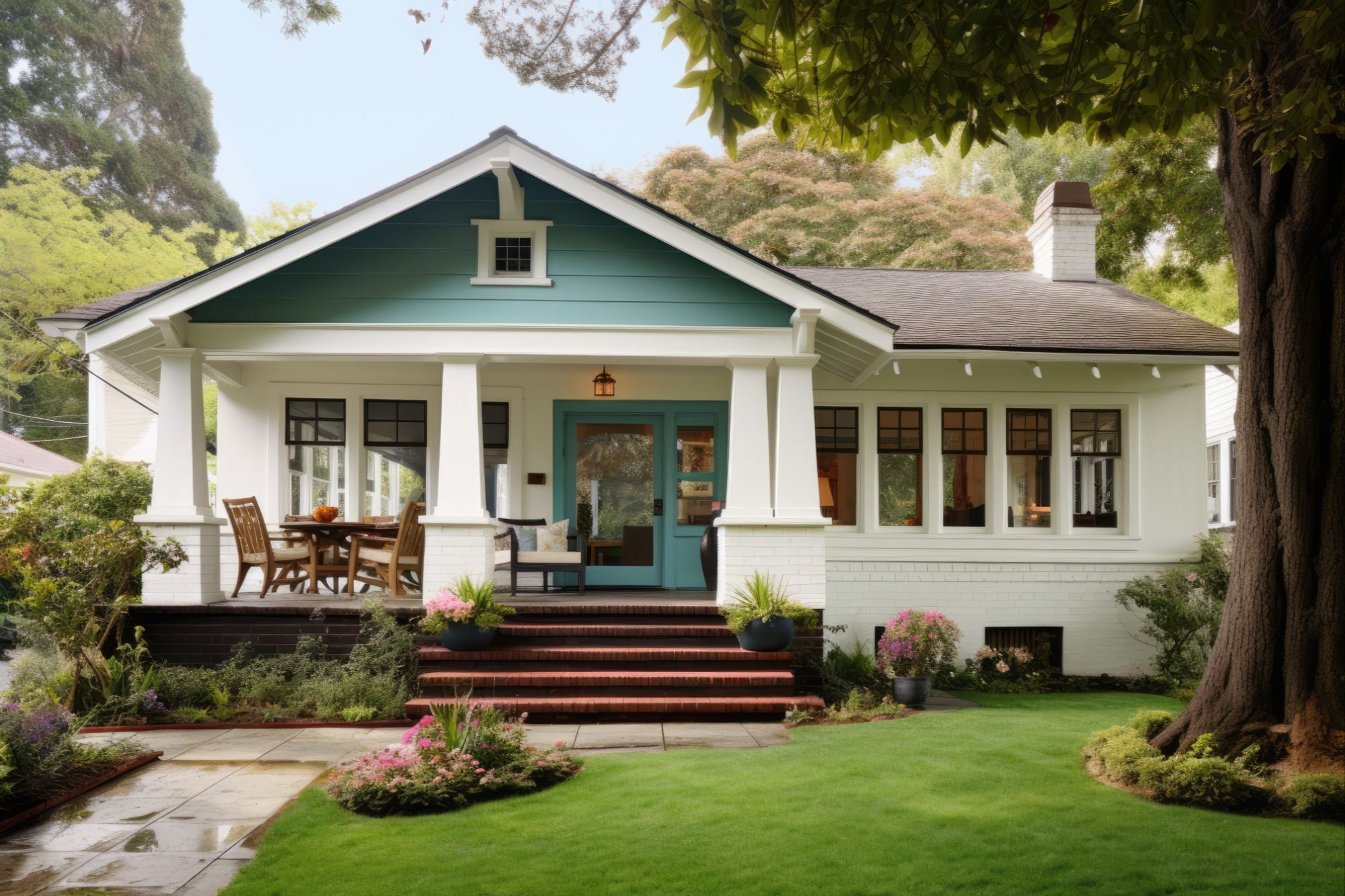
Professional real estate photography is a skill, and understanding a few tools in that toolkit helps you calibrate expectations — not become cynical, just clear-eyed.
Wide-angle lenses and room size
Wide-angle lenses are standard in real estate photography because they make spaces feel larger and more open. A 10–12mm lens can make a 200-square-foot bedroom read as a guest suite. This isn't deceptive in a legal sense — it's just how the camera works. Cross-reference photos against the listed square footage, and if room size is critical to you, bring a tape measure on your first walkthrough.
Lighting and time of day
Photos are taken at the optimal time for each room. The south-facing living room gets its golden-hour shot; the north-facing bedroom gets a cloudy-morning shot with the lights on. "Light-filled" in a listing description tells you what one room looks like in ideal conditions — not what the house feels like on a November afternoon in Portland when the sun sets at 4:30 p.m. Ask which direction each main room faces.
What the camera angle omits
Camera placement can hide awkward adjacencies. A bathroom that opens directly to a kitchen, a bedroom separated from the living area by a single door, a "bonus room" that requires walking through another bedroom to access — these things rarely make it into the photo set. Count the rooms in the photos and compare against the floor plan. If there's no floor plan attached, that's worth noting.
What's missing from the exterior shots
Exterior photos are almost always shot from the street at the most flattering angle. A busy arterial road, a commercial property next door, a steep driveway, power lines, or a neighbor's addition that blocks the backyard light — none of these show up easily in the photos. Pull the address into Google Street View and zoom out to see what's nearby before scheduling a showing.
How to Decode Listing Language: What the Description Isn't Saying
Listing copy has its own vocabulary. Some of it is genuinely descriptive. Some of it is a soft translation of problems the seller or listing agent would rather not spell out. Here's a short field guide.
- "Cozy" or "quaint" — The square footage is tight. Check the numbers.
- "Charming original details" — The home hasn't been meaningfully updated. Original plumbing, wiring, and systems may still be in place.
- "AS-IS" — The seller knows about issues and isn't going to fix them. Price accordingly and budget for an inspection.
- "Handyman's dream" or "opportunity property" — Deferred maintenance, cosmetic issues, or potentially larger repairs. Go in with eyes open.
- "Motivated seller" — The home has been sitting, or the seller has pressing reasons to move quickly. Worth asking how many days it's been active and whether there have been price reductions.
- "New roof" (with no mention of other system ages) — Look at the age of the furnace, water heater, and electrical panel. "New roof" can be a signal that everything else is original.
- "Unique layout" — The floor plan may be awkward or have a room configuration that limits furniture options. Ask for a floor plan before visiting if you can.
None of these phrases are a reason to skip a home — they're a reason to ask more questions before you fall in love with the photos.
Portland-Specific Listing Signals You Should Know
A few things appear on Portland listings that buyers coming from other cities often don't recognize. These matter.
The Home Energy Score
Portland requires most single-family home sellers to obtain and disclose a Home Energy Score at the time of listing. The score runs from 1 to 10. A 5 is average. A 10 means the home is very energy-efficient. A 1 or 2 means you should ask what you're inheriting in utility costs — and factor potential upgrades into your offer.
The report that comes with the score includes estimated annual energy use and utility costs, plus upgrade recommendations. Read it. A home with a score of 3 and a gas furnace from 2001 in a Portland winter is telling you something important. Buyers who scan past this number are leaving real money on the table.
Days on market — and what resets the clock
Portland's current average days on market runs roughly 19 to 33 days depending on the data source and methodology. A home sitting at 45 or 60 days active deserves a closer look. Has there been a price reduction? Has it been relisted under a new MLS number, which resets the visible days-on-market counter? Your agent can pull the full history, including any previous listings for the same address.
As of January 2026, about 23% of Portland listings had price reductions — a number that's ticked upward year-over-year. A reduced listing isn't automatically a problem, but it is a conversation starter.
The Seller's Property Disclosure Statement
Oregon law requires sellers of 1–4 unit residential properties to provide a Seller's Property Disclosure Statement (governed by ORS 105.462–105.490). The form covers 50+ questions about the structure, systems, water and sewer, roof, foundation, flood history, seismic conditions, and unpermitted work — all answered based on the seller's actual knowledge.
That last part matters. Sellers have no legal duty to inspect. If they don't know something is wrong, they're not required to disclose it. "Unknown" is a valid answer. This is why an independent inspection — and in Portland, often a sewer scope — isn't optional for serious buyers.
Permit history and PermitMaps
If a listing mentions a finished basement, a converted garage, an addition, or an ADU, your first question should be: was it permitted? Portland's PortlandMaps permit portal lets you search permit history by address for work done from 2012 through late 2023. Unpermitted work can affect your financing, your insurance, and your ability to resell — and it's not always visible from the listing.
What the Listing Doesn't Tell You About the Location
Even a beautifully complete listing won't tell you everything you need to know about where the house actually sits.
Street noise and traffic patterns
A home in Sellwood or Woodstock might be three blocks from a quiet residential street or directly on a cut-through arterial — and the listing won't tell you which. Visit at different times of day if you're serious. Morning and evening traffic patterns in Portland's inner Eastside neighborhoods vary significantly. What feels like a quiet side street at 10 a.m. Saturday can be a different experience on a Tuesday at 5 p.m.
Flood zones and elevation
Portland's river and creek corridors mean flood risk is real in some neighborhoods. The listing won't tell you the property's FEMA flood zone designation unless the seller specifically discloses it on the property statement. Check the property's flood zone independently using the FEMA Flood Map Service Center or the flood layer in PortlandMaps. Homes in high-risk zones require flood insurance, which adds meaningfully to monthly carrying costs.
Neighborhood context the photos skip
Listing photos almost never include the view from the backyard, the parking situation, the nearest transit stop, or what's directly adjacent to the property. For buyers prioritizing walkability, bikeability, and access to Portland's trail network, a listing's neighborhood description is a starting point, not an answer. Our guide to Portland neighborhoods with the best outdoor access and our Eastside Portland neighborhood guide go deeper on what these tradeoffs actually look like in practice.
What I Actually Look For When I'm Reviewing a Listing
When I pull a new Portland listing, here's my actual checklist — the things I'm looking for before I ever schedule a showing.
- The Home Energy Score. I read the full report, not just the number. What systems are flagged? What's the estimated annual energy cost? Is this a house that needs $15,000 in insulation and a new heat pump factored into the offer price?
- The days on market — and the full price history. I want to know if this listing has been relisted, and whether the original list price tells a story.
- The permit history on PortlandMaps. Any finished space, addition, or conversion is worth a permit check before we get attached.
- The disclosure statement, read carefully. I'm looking at the "unknown" answers as much as the "yes" answers. A seller who says "unknown" to foundation questions on a 1920 Bungalow is telling me something.
- Photo count and what's missing. If a 2,200-square-foot house has 14 photos and none of them show the basement, a bathroom, or the backyard — I want to know why.
- The age of major systems. Roof, furnace, water heater, electrical panel. If the listing doesn't mention them, I ask. If a house has a new kitchen and no mention of a 25-year-old furnace, that's the question I'm going to ask before we write an offer.
I also recommend a sewer scope inspection on virtually every Portland home, especially anything built before 1985. Portland's older neighborhoods — including much of the inner Eastside — were built with clay tile sewer laterals that are vulnerable to root intrusion from the city's tree canopy. A sewer scope costs a few hundred dollars. A failed lateral can cost $20,000 or more to replace. That math isn't complicated.
The Walkthrough: What You Can Only Know In Person
There are things no listing can convey — and they're often decisive.
Natural light quality changes throughout the day and across seasons. Portland's long gray winters mean a south-facing living room and a north-facing bedroom aren't the same experience from November through February. The way sound travels in a house — whether you can hear the street, a neighbor, or a washing machine from the bedroom — only becomes clear when you're standing in it. The smell of a house after rain, the feel of the flooring, whether the layout actually works for how you want to live: these are in-person discoveries.
For families thinking about how a home fits into daily Portland life — school access, proximity to parks, what the commute actually looks like — our complete Portland home-buying guide for families covers those questions in depth, including school assignment rules, neighborhood safety data, and the buying process specific to Oregon.
Frequently Asked Questions
What does "AS-IS" mean on a Portland real estate listing?
"AS-IS" means the seller is not willing to make repairs or provide credits based on inspection findings. It doesn't prevent you from doing an inspection — it just means what the inspection finds is your problem to price and plan for. In Portland's current market, AS-IS listings often reflect known deferred maintenance or a seller who doesn't want negotiation delays. Budget conservatively and inspect thoroughly.
Is the Portland Home Energy Score required on all listings?
The Portland Home Energy Score is required for most single-family residential home sales within Portland city limits. The score runs from 1 to 10, with 5 being average. Condos, multi-family properties with five or more units, and some other categories have different requirements. If you're buying a single-family home in Portland and don't see a Home Energy Score in the listing, ask why.
How do I find permit history for a Portland home I'm considering?
The PortlandMaps permit portal lets you search permit history by address for permits issued from 2012 through late 2023. For older permits or more recent activity, you can submit a public records request through Portland Permitting & Development. Any finished space, addition, or conversion is worth checking before you make an offer.
What does the Oregon seller disclosure form actually cover?
The Oregon Seller's Property Disclosure Statement requires sellers to answer 50+ yes/no/unknown questions covering the structure, roof, foundation, electrical, plumbing, heating and cooling, water and sewer, flood history, seismic conditions, and unpermitted work. The critical limitation: disclosures are based on the seller's actual knowledge only — they have no duty to inspect. An independent home inspection (and usually a sewer scope in Portland) is essential because it covers what the seller may not know.
The Bottom Line
A listing is an introduction, not a complete picture. The photos are shot at the right angle, in the right light, with a wide lens. The description uses language designed to attract, not to answer your hardest questions. The disclosure form covers what the seller knows — which may not be everything.
The buyers who feel confident going into offers aren't the ones who spent the most time on Redfin. They're the ones who learned to read what the listing is actually saying — and to ask the right questions about what it's leaving out.
If you're searching for a home in Portland and want a second set of eyes on a listing before you schedule a showing, I'm happy to walk through it with you. Give me a call or text at 971-443-1770.
Categories
Recent Posts